

Six-Prong Round Solitaire Engagement Rings: Styles and Design Options
A six-prong round solitaire is a classic engagement ring design, but there is more than one way to create this look. The shape of the prongs, the construction of the setting head, and the design of the band all influence the finished ring.
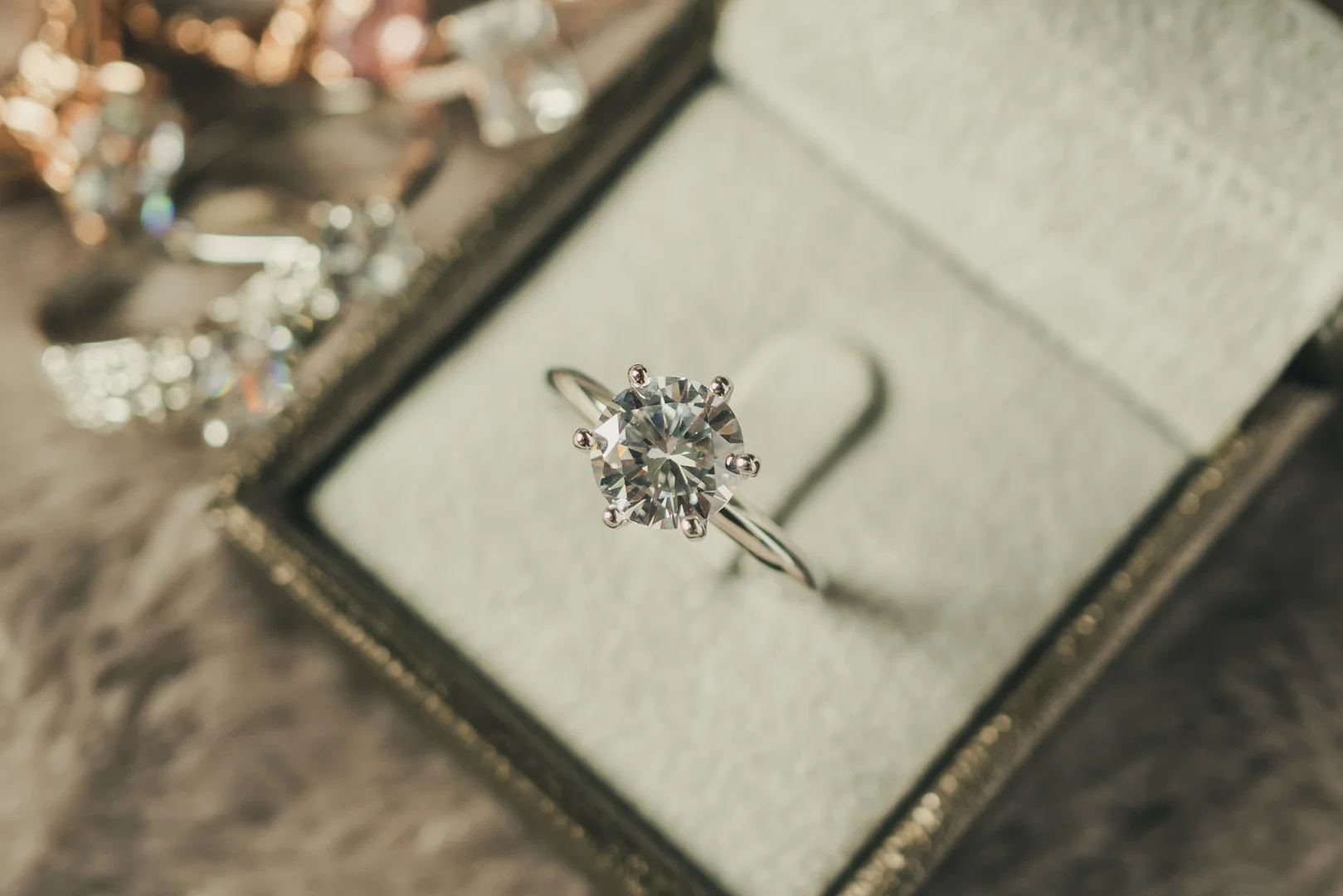
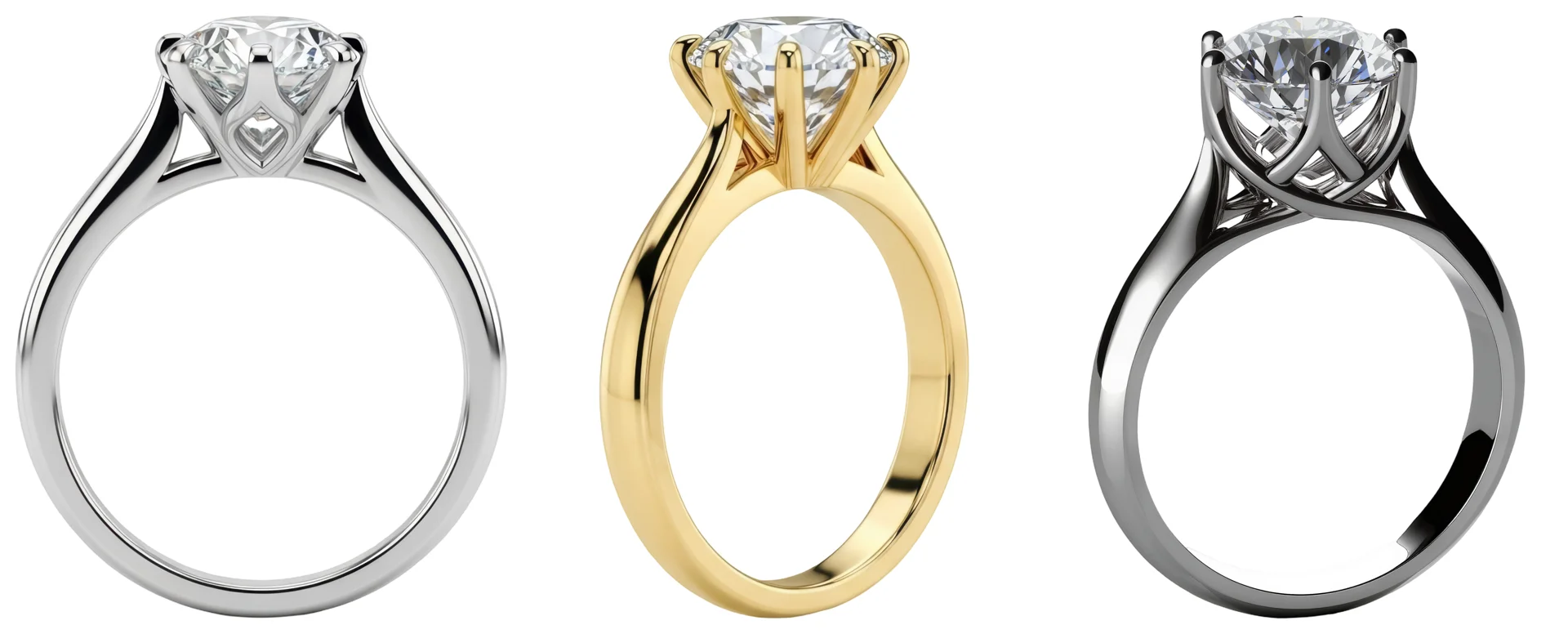
Some six-prong solitaires feature delicate claws and an open basket, while others have rounded prongs, sculpted galleries, or architectural shoulders. These details affect how much metal is visible around the diamond, the ring's profile, and its overall style.
If you're considering a six-prong round solitaire, understanding these options can help you identify the features you like and decide which design best suits your preferences.
The History of the Six-Prong Solitaire
The elevated six-prong solitaire became an iconic engagement ring design with the introduction of the Tiffany Setting in 1886. Created by Charles Lewis Tiffany, the setting raised a diamond above the band using six prongs, making the center stone the focal point of the ring.
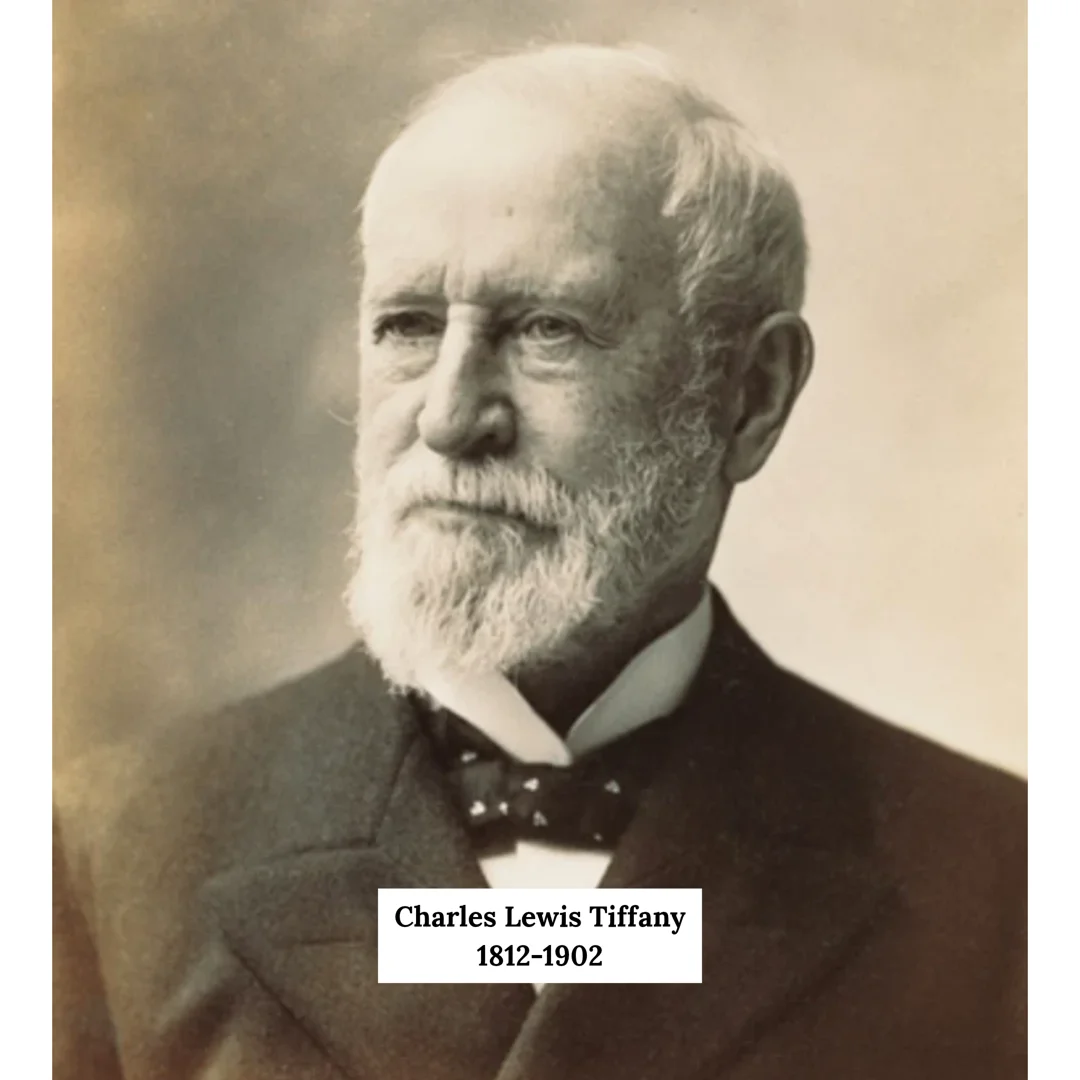
The design helped establish the elevated diamond solitaire as a recognizable engagement ring style. Six-prong solitaires remain popular today, with variations ranging from close interpretations of the classic design to contemporary settings with different prong shapes, basket structures, and band details.
The Tiffany Setting is one influential example of a six-prong solitaire, not the only way to create one. Many jewelers offer their own versions of the design.
For more on the history of engagement rings, see the Gemological Institute of America's overview of engagement rings through the ages.
What Defines a Six-Prong Round Solitaire?
A solitaire engagement ring features one center gemstone without additional stones flanking it along the band. In a six-prong round solitaire, six metal prongs hold the center diamond around its perimeter.
The main components include:
- Center diamond: The focal point of the ring, typically a round brilliant diamond in this design.
- Prongs: Small metal projections that extend over the diamond's edge to hold it in place.
- Head or setting: The structure that holds the center diamond, including the prongs and supporting metalwork.
- Basket or gallery: The framework beneath the diamond that connects and supports parts of the setting.
- Shank: The portion of the ring that encircles the finger.
- Shoulders: The areas where the band transitions toward the setting head.

Although the six-prong arrangement defines the basic design, these components can be shaped and combined in many ways. The resulting differences are important when choosing a ring.
Choosing a Prong Style for Your Six-Prong Solitaire
Prong shape is one of the most visible differences between six-prong solitaire designs. Even when two rings use the same diamond shape and number of prongs, the settings can look quite different.
Claw Prongs
Claw prongs taper toward the diamond, creating pointed tips that follow its outline. They can give a six-prong solitaire a delicate, refined appearance while keeping the setting visually light.
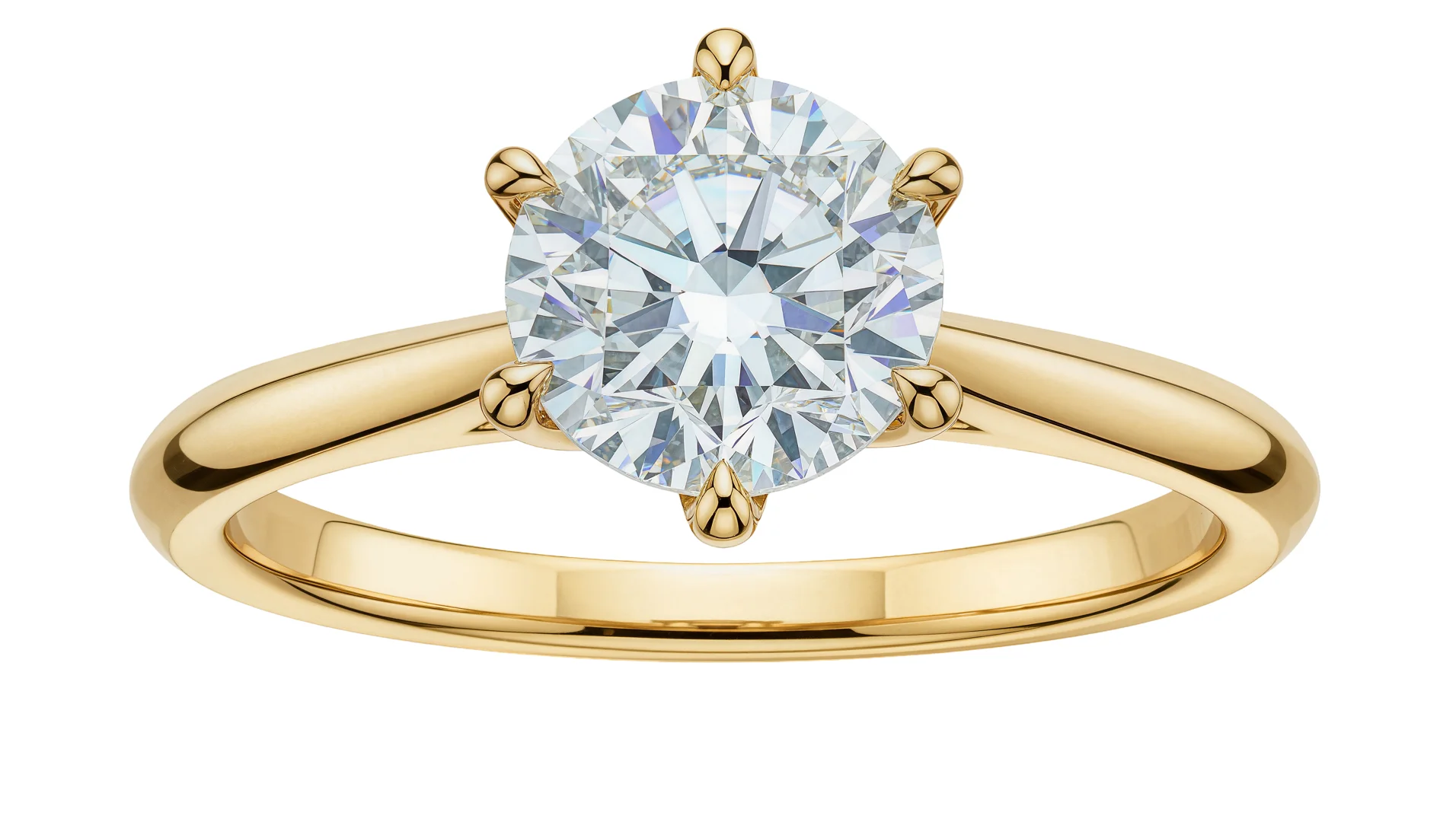
The degree of taper matters. Very fine claws may be less visually prominent, while longer or more pronounced claws can become a noticeable design feature. Prongs still need sufficient metal and proper contact with the diamond to hold it securely.
Rounded Prongs
Rounded prongs have smooth, curved tips rather than sharply tapered points. They create a softer, more traditional look and can make the metalwork more visible around the diamond.
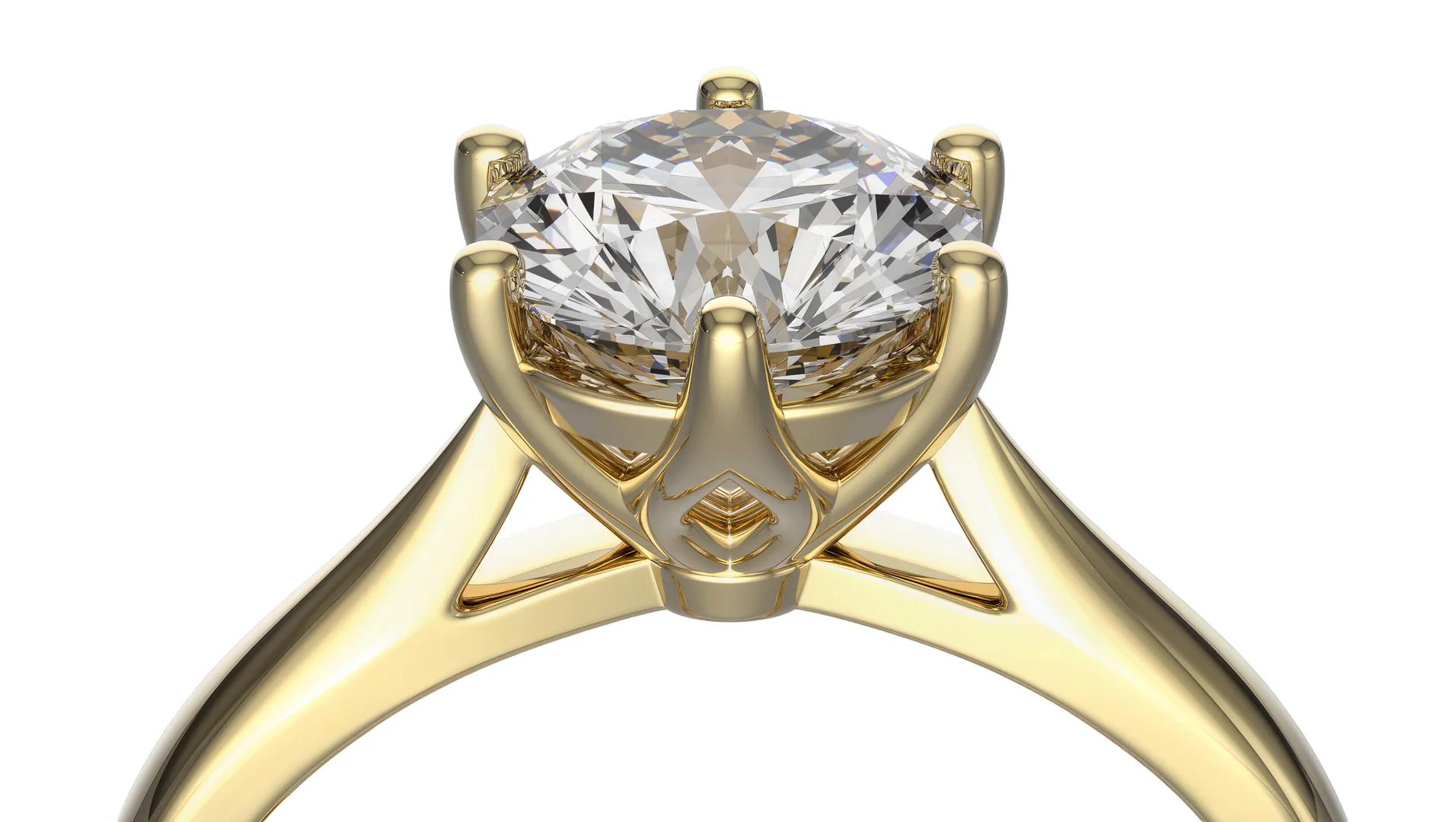
Their appearance depends on their size and placement. Small rounded prongs can blend into the overall design, while larger ones give the setting a more substantial look.
Petite Prongs
Petite prongs are designed to minimize the amount of visible metal around the center stone. They can be rounded or tapered, depending on the setting.
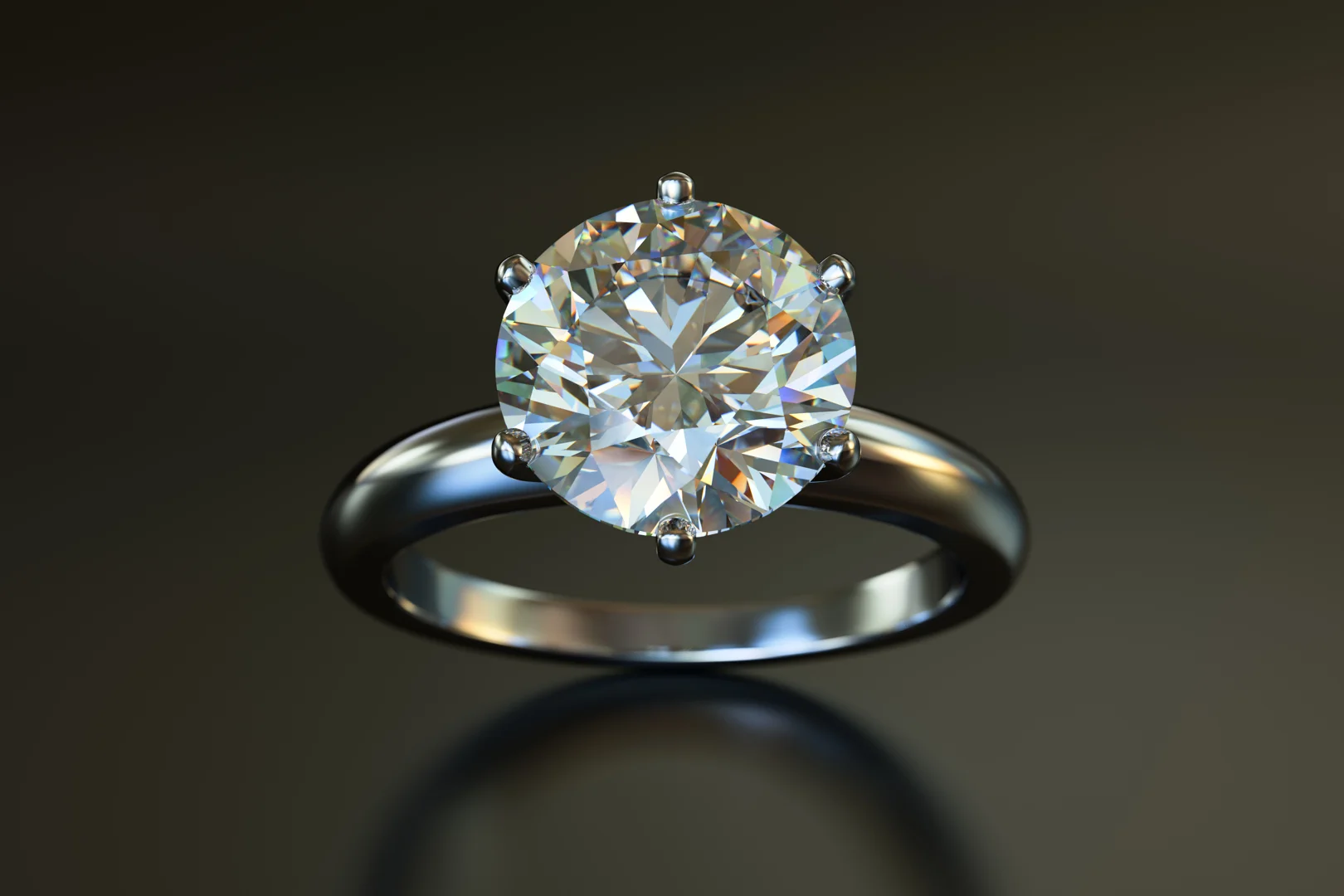
This style may appeal to someone who wants the diamond to remain the visual focus. However, smaller prongs are not automatically better or more delicate in construction. Their dimensions and placement must be appropriate for the diamond and setting.
Double-Claw Prongs
Double-claw prongs use two slender claws at each prong position instead of one. They are commonly seen in four-position settings, particularly with cushion, emerald, and other fancy-shaped diamonds, but double-claw designs can also be made with six positions.
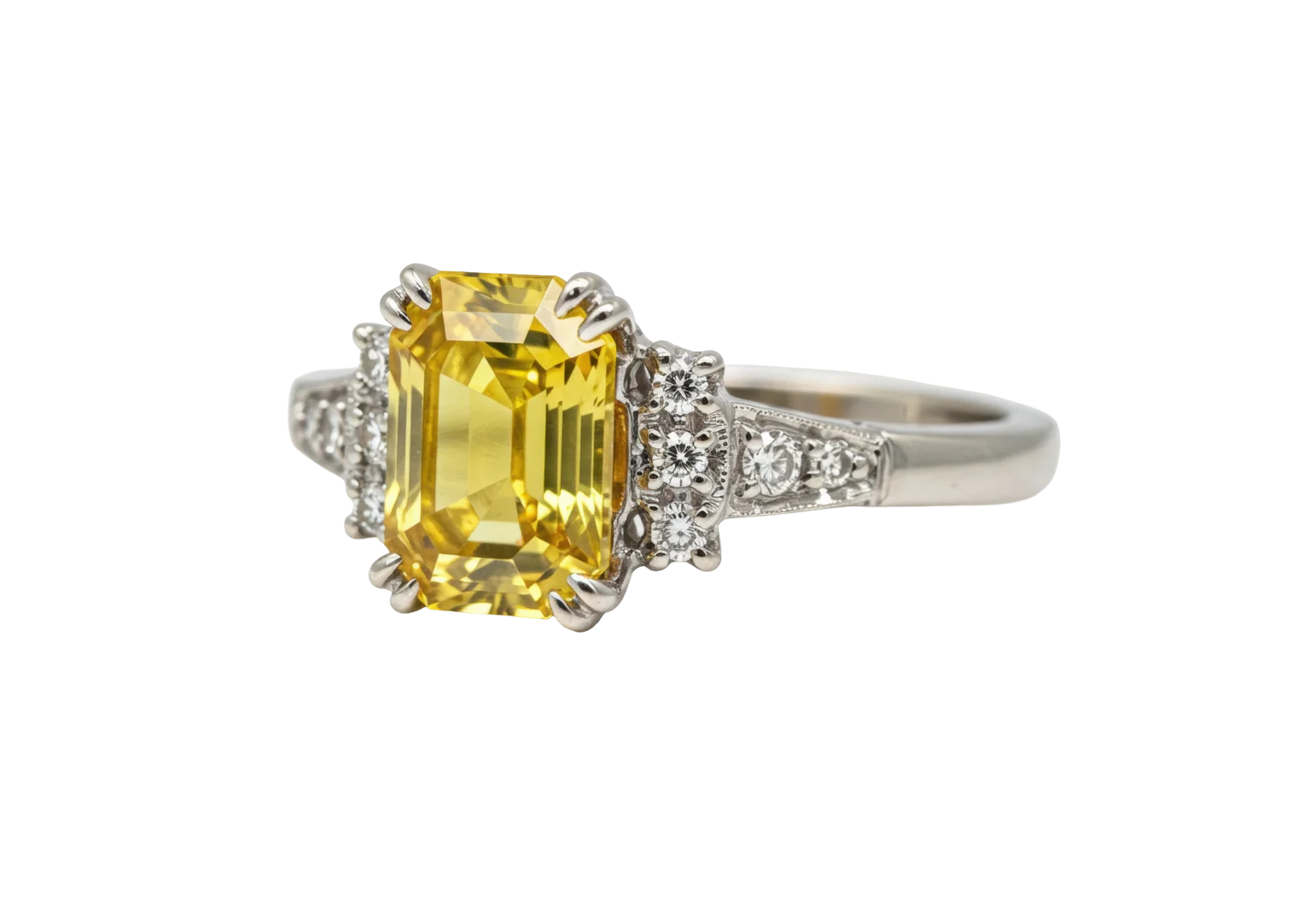
On a round diamond, double claws create a more intricate outline than single prongs. Depending on their proportions, they may give the ring a detailed, vintage-inspired appearance or make the metal around the diamond more noticeable.
Because six positions with paired claws create twelve individual tips, this combination requires careful attention to spacing and proportion. It is a specialized design option rather than a defining feature of six-prong solitaires.
How Prong Shape Affects the Look of a Round Diamond
The six prongs help frame the diamond's circular outline, but their shape and proportions determine how prominent that frame appears.
Fine, tapered prongs may create a more delicate outline, while rounded or larger prongs make the metalwork more noticeable. Double claws add another layer of detail.
These differences are primarily visual and structural. Prong shape alone does not determine a diamond's brilliance, and no prong style is inherently the most secure. The quality of the setting, the fit of the prongs, and the condition of the metal are all important.
For a broader explanation of how diamond shape affects appearance, explore our guide to different diamond shapes.
Crown, Head, and Basket Designs
The structure beneath the diamond also affects the appearance of a six-prong solitaire. Jewelers may use terms such as head, crown, and basket differently, so it helps to look at the actual construction rather than relying on the terminology alone.
Open Basket Designs
An open basket uses a framework beneath the diamond rather than a solid enclosure around its lower portion. The open structure can give the ring a lighter side profile and leave the diamond more accessible for cleaning.
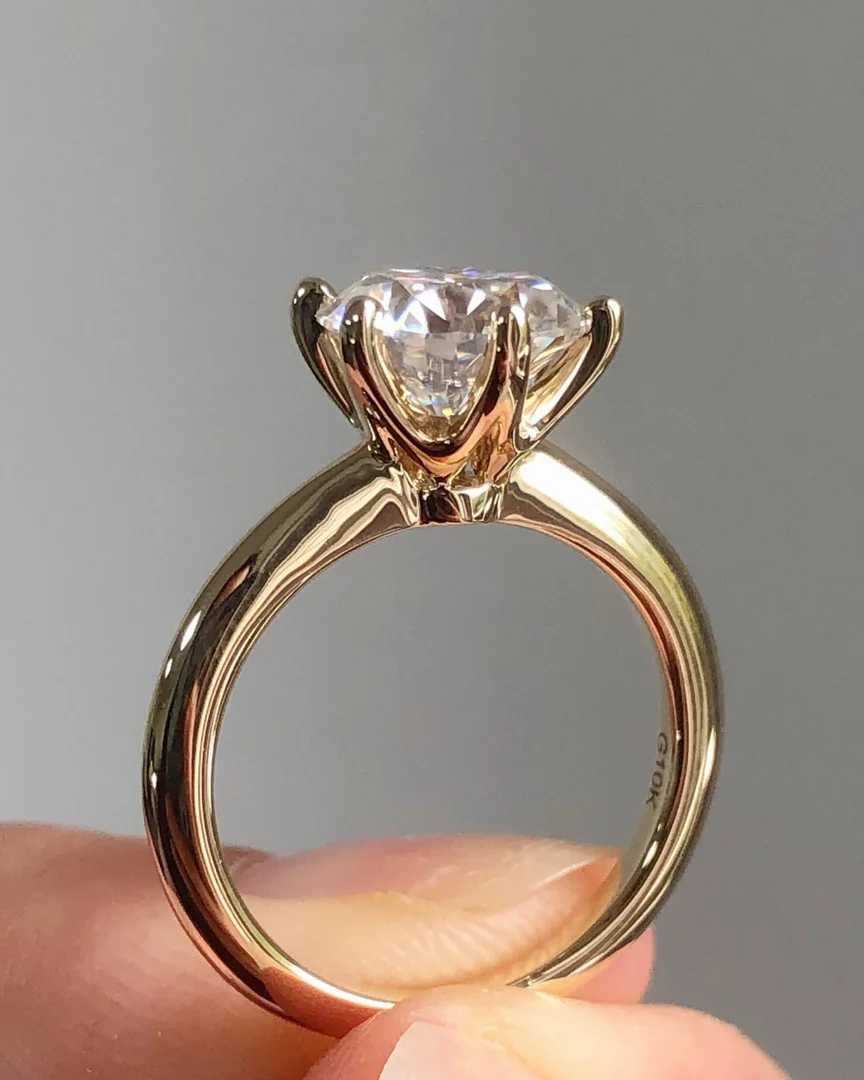
Open baskets vary in shape, from simple crossbars to more decorative arrangements. Their design influences the ring's side view and how the head connects to the band.
Sculpted and Decorative Baskets
Some settings feature curved supports, petal-like forms, or other decorative details beneath the diamond. These elements can give a solitaire a vintage-inspired or distinctive appearance without adding side stones.
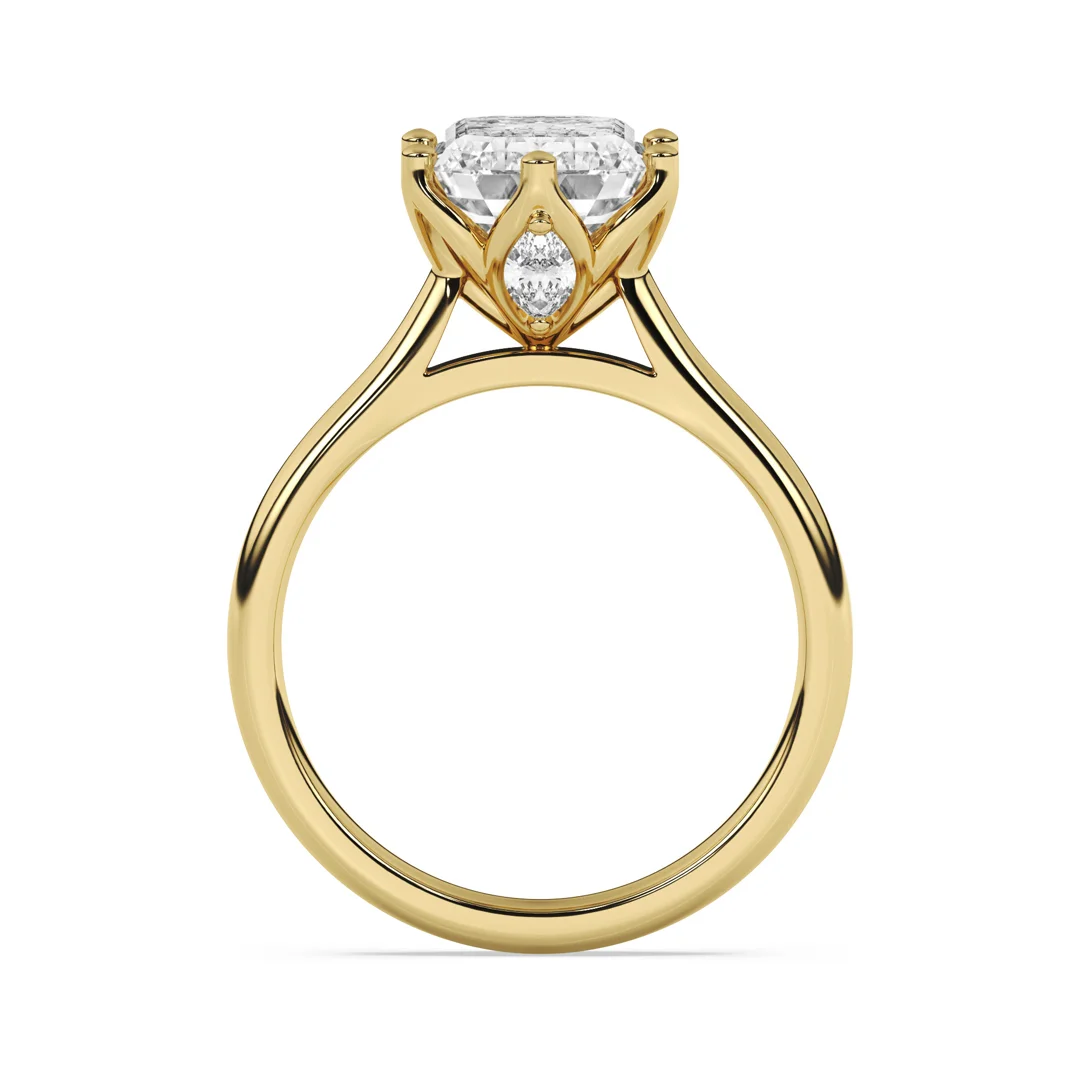
Decorative galleries may be visible when the ring is viewed from the side. If you like the idea of a solitaire with additional detail, the basket is one place to explore design options while keeping the center diamond as the main focus.
Low-Set and Elevated Heads
A setting's height affects both its appearance and how it sits on the finger.
- Low-set designs: Position the diamond closer to the finger, creating a more understated profile. Depending on the construction, the head may offer less clearance for a straight wedding band.
- Elevated designs: Raise the diamond above the band, making the center stone more prominent in profile. The additional height can also create room for a wedding band to sit alongside the engagement ring, although the actual fit depends on the head's shape and dimensions.
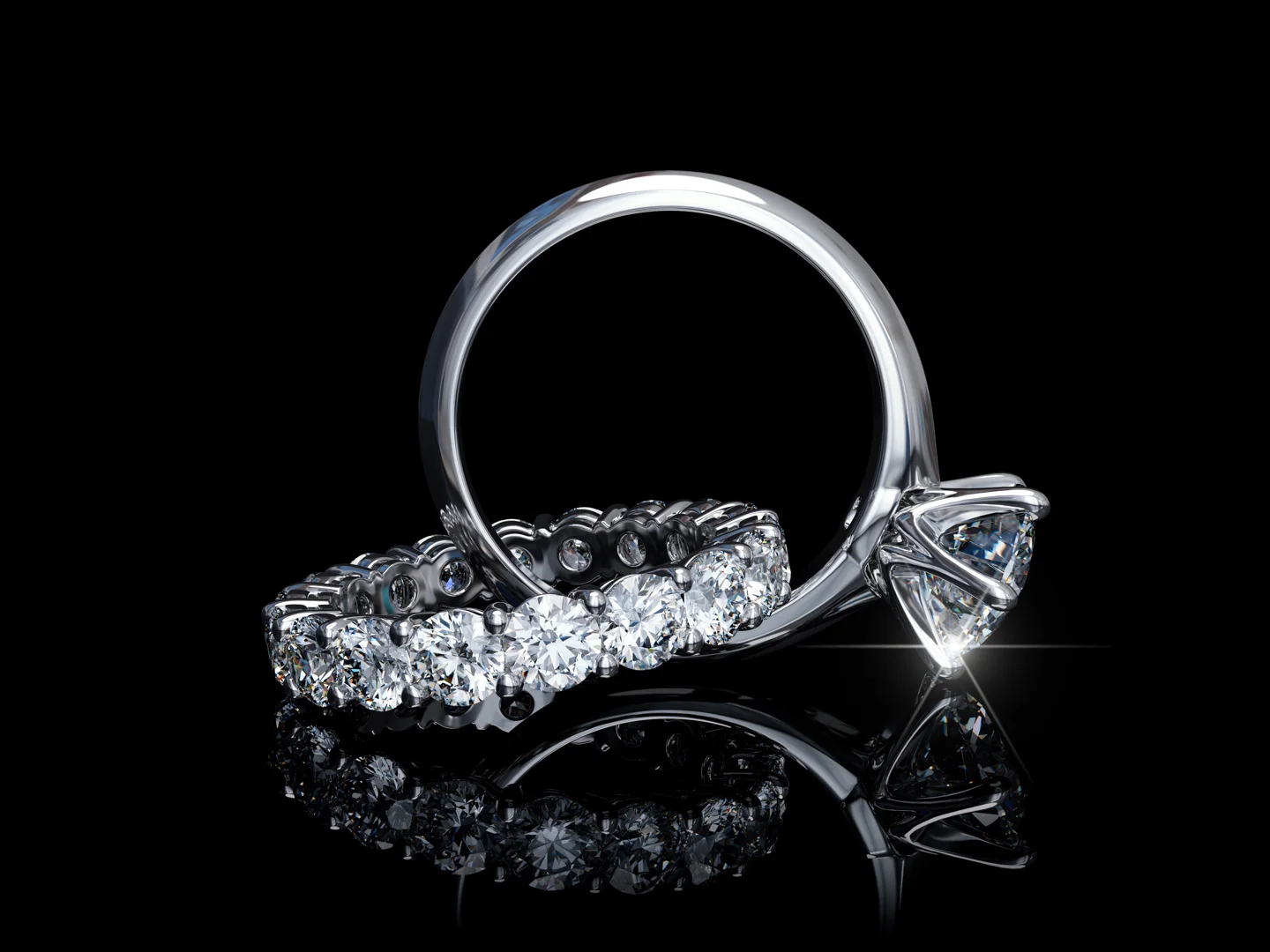
A lower-set diamond sits closer to the finger, which can reduce snagging and make the ring less exposed to impacts. An elevated setting can make the diamond more prominent and may allow more wedding band styles to sit flush against the engagement ring. The best option depends on the setting's construction, your preferred look, and how you plan to wear the ring.
Choosing a Band Design for Your Six-Prong Solitaire
The shank and shoulders can change the style of a six-prong solitaire considerably. These details are separate from the number of prongs, so a six-prong head can be paired with a variety of band designs.
- Plain, rounded shank: Creates a clean, traditional look that keeps attention on the center diamond.
- Knife-edge shank: Features a defined ridge along the band, giving the ring a more sculptural profile.
- Cathedral shoulders: Rise toward the center setting, creating architectural lines between the band and head.
- Engraved or milgrain details: Add texture and decorative accents, often in vintage-inspired designs.
These options can be combined in different ways. For example, a six-prong solitaire can have a plain yellow gold shank with a white metal head, cathedral shoulders with a simple basket, or engraved details along the band.
When choosing a design, consider how prominent you want the center diamond to be and whether you prefer a minimal or more decorative ring.
If you're interested in combining specific features, our custom engagement ring guide explains the custom design process.
Metal Options for a Six-Prong Solitaire
The metal affects the color, appearance, cost, and maintenance of an engagement ring. Platinum, white gold, yellow gold, and rose gold can all be used for six-prong solitaires, depending on the design.
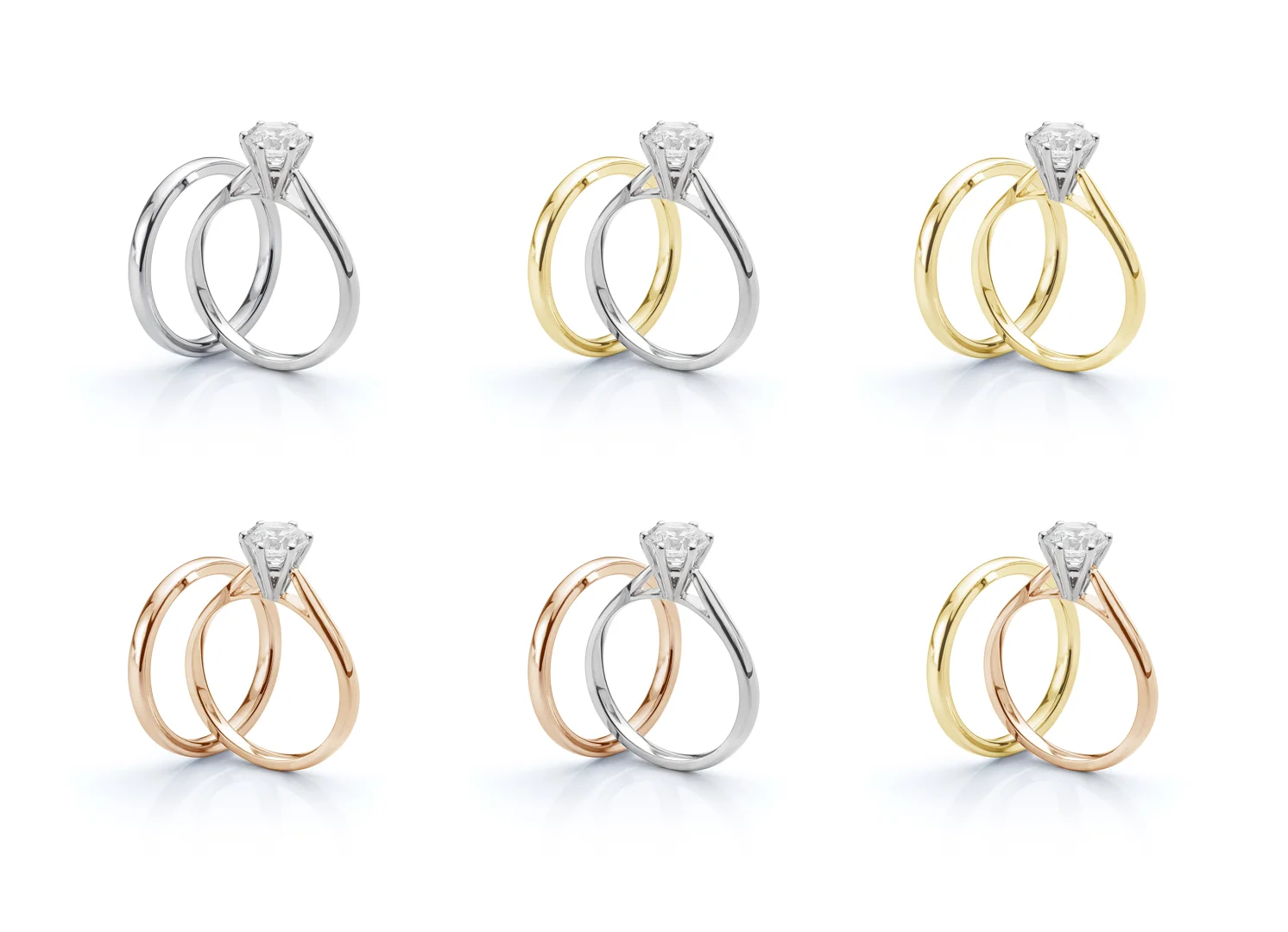
- Platinum: Naturally white, dense, and commonly chosen for engagement-ring settings. It can develop a soft patina with wear.
- 14K White Gold: Offers a bright white appearance and is commonly finished with rhodium plating, which may need periodic renewal.
- 14K Yellow Gold: Creates a warm contrast with a white diamond. Some designs use yellow gold for the band and white metal for the setting head.
- 14K Rose Gold: Adds a pinkish tone that can make a solitaire feel distinctive while retaining its classic silhouette.
The choice of metal does not determine the setting's security by itself. Construction, proper prong placement, and regular inspection remain important regardless of the material.
Is a Six-Prong Solitaire Right for You?
A six-prong round solitaire may appeal to you if you like a classic engagement ring with a defined outline around the center diamond. The design offers plenty of room for personalization through prong shape, basket construction, setting height, metal, and band details.
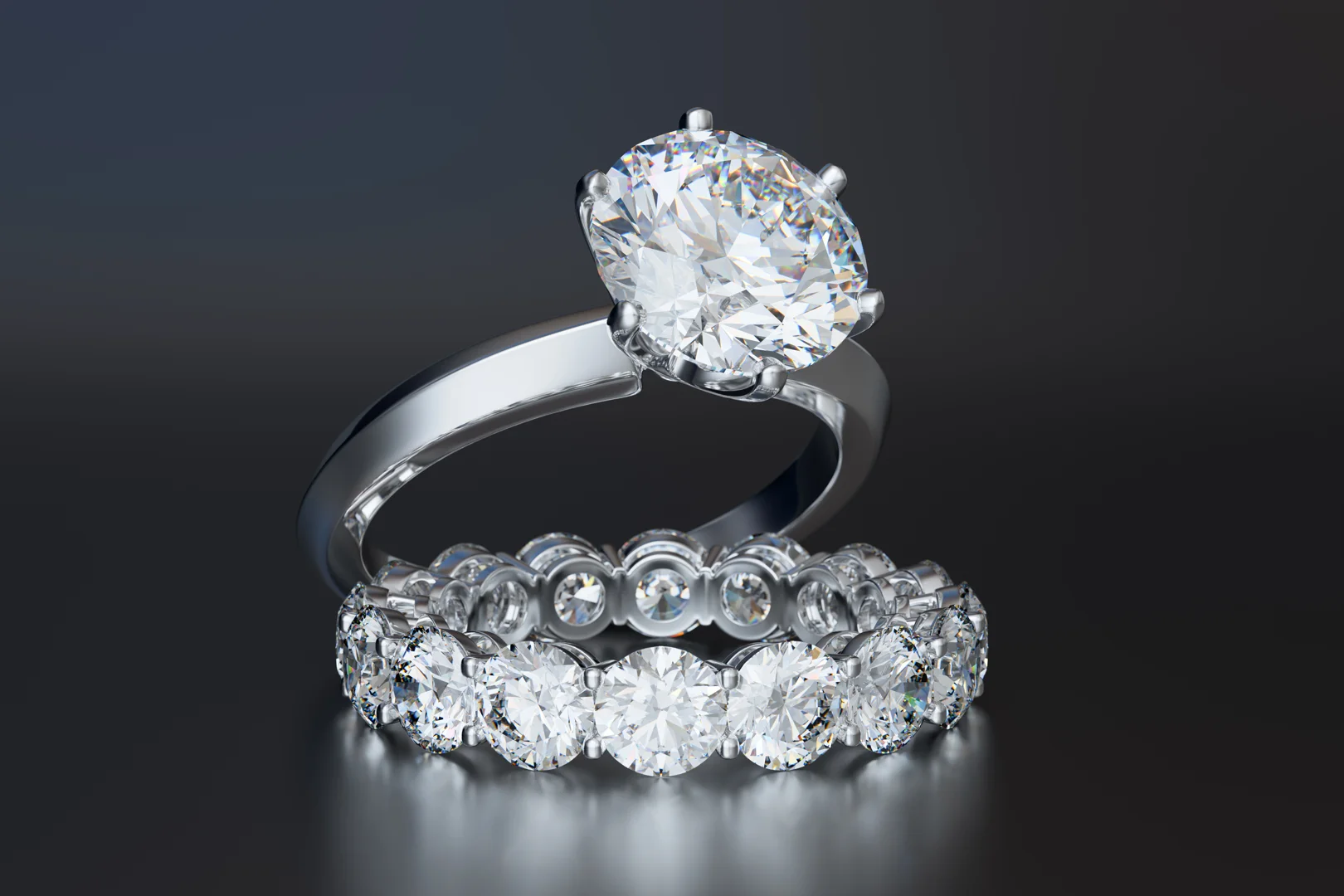
As you compare designs, consider these questions:
- Do you prefer fine claws, rounded prongs, or a more detailed double-claw look?
- Would you like an open basket or a decorative gallery?
- Do you prefer a low profile or an elevated center diamond?
- Would a plain shank suit your style, or would you prefer cathedral shoulders, engraving, or pavé accents?
- How do you want the engagement ring to fit alongside a wedding band?
Four-prong and six-prong settings offer different looks. A four-prong setting leaves more of the diamond’s outline visible, while six prongs create a more traditional look with additional metal around the stone. Both can be suitable for everyday wear, depending on the ring’s construction and maintenance.
You can explore other options in our guide to different engagement ring settings, or read our engagement ring buying guide for broader advice on choosing a ring.
Frequently Asked Questions
Do six-prong solitaires only work with round diamonds?
No. Six-prong settings can be made for different diamond shapes and other gemstones. However, the position and design of the prongs must suit the stone's outline. This article focuses on round diamonds because the six-prong arrangement is particularly associated with the classic round solitaire.
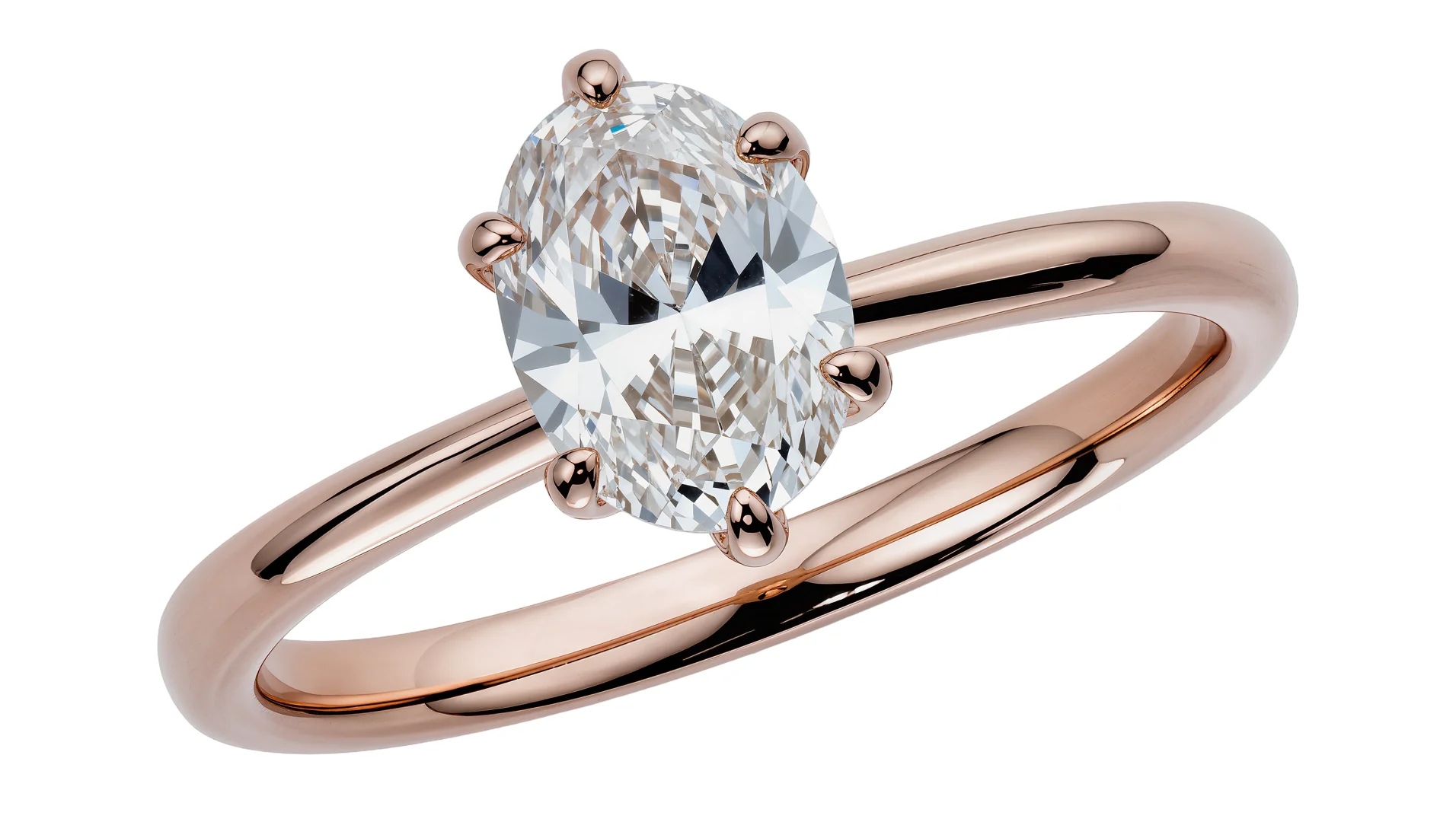
Do six-prong settings make diamonds sparkle more?
Not inherently. A diamond's cut quality is a major factor in its light performance. Prong count and placement affect how the setting frames the stone, but six prongs do not automatically produce more brilliance than four.
Are double-claw prongs available in six-prong settings?
Yes, six-position double-claw designs are possible, although double claws are more commonly seen in four-position settings. They create a more intricate outline, so the proportions and spacing need to be considered carefully.
Can I customize a six-prong solitaire?
Yes. Depending on the jeweler and design, you may be able to choose the prong style, head and basket, setting height, metal, and shank details. A jeweler can help determine which combinations are practical for your chosen diamond. Check out our engagement ring builder to start exploring designs.
Explore Six-Prong Solitaire Designs
A six-prong round solitaire offers a classic foundation for a wide range of engagement ring styles. From fine claws and open baskets to sculpted galleries and decorative shoulders, the details can make a substantial difference in the finished design.
At Nelson Coleman Jewelers, our team can help you explore engagement ring settings and discuss the features that matter most to you. Visit one of our showrooms in Towson, Frederick, or Easton, Maryland, or Inwood, West Virginia, to explore your options. You can also ask our team about creating a custom engagement ring that reflects your preferences.


