Diamond Education
Diamond Education


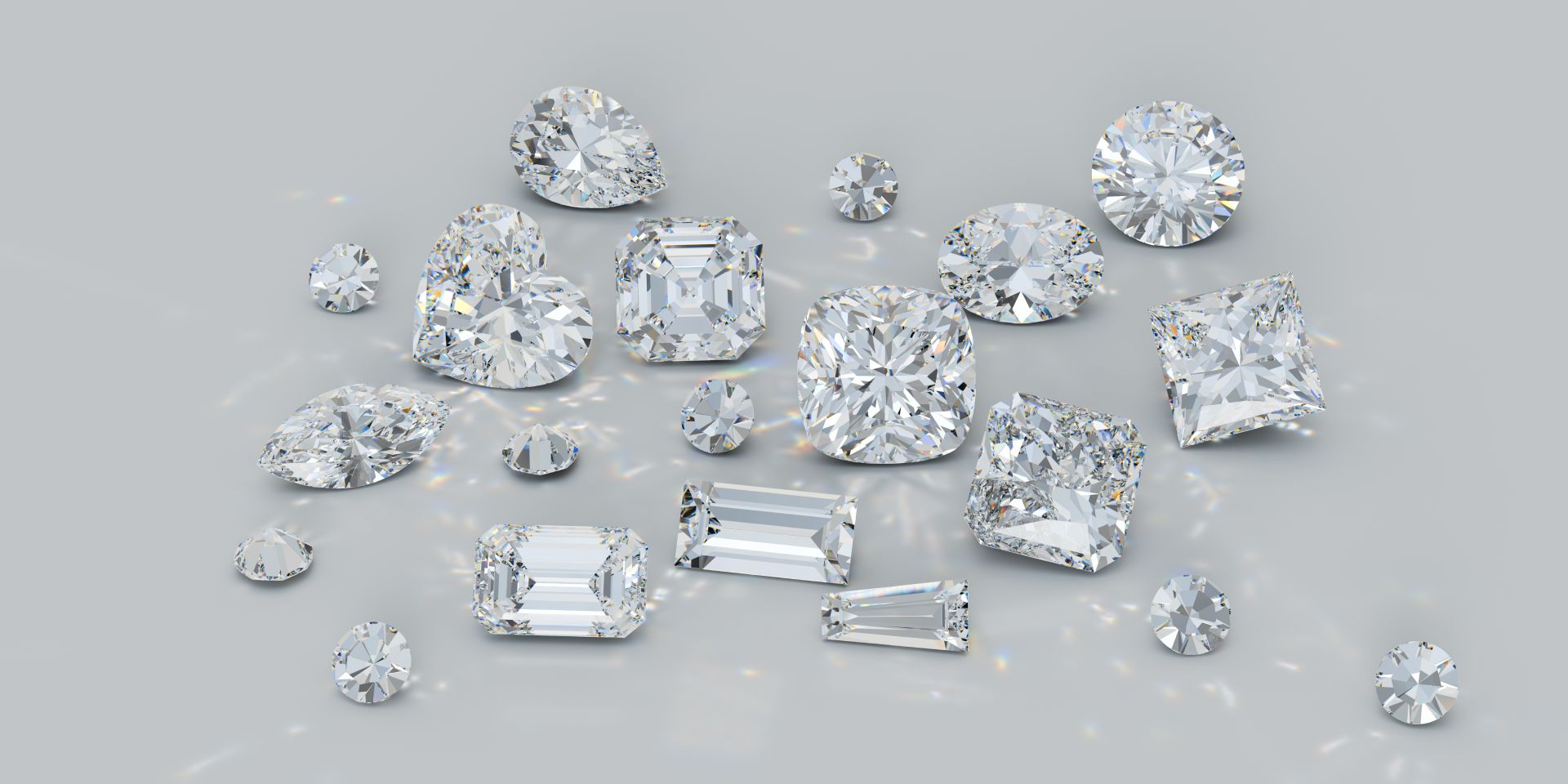
Understanding how diamonds are evaluated can make it easier to compare your options and find a diamond that fits your preferences and budget. The Four Cs, carat, cut, color, and clarity, are the foundation of diamond grading, but there are other factors to consider when choosing a diamond, including shape, certification, origin, and how you plan to wear it.
The word carat derives from the word carob, a Mediterranean seed that was once used as a reference for measuring weight. Today, one metric carat equals 200 milligrams, or one-fifth of a gram.
Carat weight refers to how much a diamond weighs, not its physical size. Larger diamonds are generally rarer, which can make them more valuable, but carat weight is only one factor that determines a diamond's appearance and price.
Some people want the largest diamond possible. At Nelson Coleman Jewelers, we can help you balance carat weight with cut, color, clarity, and your budget to find a diamond that works beautifully with your jewelry.
The size of diamond a ring can accommodate also depends on its setting. Many of our engagement rings can fit diamonds up to 5.00 carats, but each ring has different size constraints. Prong settings can often accommodate a wide range of diamond sizes, while tension and bezel settings may have more limitations.
The true definition of diamond cut refers to the quality of a diamond's proportions and symmetry. A diamond's proportions have a significant effect on how it interacts with light and how brightly it shines.
An ideal cut diamond is designed to return a high amount of light through the top of the stone. Cut quality takes into consideration factors such as depth, table size, crown height and angle, girdle thickness, and symmetry.
After a rough diamond is mined, it is evaluated to determine how it can best be cut while balancing factors such as clarity, color, and carat weight. The term “cut” is often confused with diamond “shape,” such as round, oval, or princess.
Color is one of the most noticeable characteristics of a diamond and can have a significant impact on its price.
For traditional white diamonds, the GIA color scale ranges from D, which is colorless, through Z, which has a more noticeable yellow or brown tint. Diamonds can also occur naturally in a range of fancy colors, including yellow, blue, pink, and red.
The less body color a traditional white diamond has, the rarer it generally is. Fancy-color diamonds are evaluated differently, and their value depends on factors such as color intensity, rarity, and demand.
Diamonds are formed under intense heat and pressure deep within the earth. During their formation, minerals and other characteristics can become trapped inside the diamond, creating inclusions. These natural characteristics contribute to each diamond's unique appearance.
Diamond clarity refers to the presence, size, position, and visibility of inclusions and surface characteristics. Diamond graders examine stones under 10x magnification to evaluate clarity.
A diamond does not necessarily need to be flawless to look beautiful. The right balance of clarity, cut, color, and carat weight depends on your preferences and budget.
Diamond shape refers to the outline or geometric form of a diamond, such as round, oval, pear, emerald, cushion, or princess. Shape is different from cut, which describes how well the diamond's facets, proportions, and symmetry work together to return light.
Different shapes have their own visual characteristics and can create very different looks in an engagement ring or other piece of jewelry.
Explore the different diamond shapes to learn more about the characteristics of each popular diamond shape.

A diamond grading report provides an independent assessment of a diamond's characteristics, including its carat weight, color, clarity, and cut when applicable. A grading report can help you understand what you are purchasing and compare diamonds more easily.
When shopping for a diamond, it is also important to understand what a grading report does and does not tell you. The report describes the characteristics of the individual diamond; it does not determine whether that diamond is the right choice for your preferences or budget.
Our diamond professionals can help you understand the information on a grading report and compare your options.

Diamonds can be natural or lab-grown. Natural diamonds form naturally within the earth over long periods of time, while lab-grown diamonds are created using controlled technological processes that replicate the conditions under which diamonds form.
Both are diamonds, but they differ in origin and can differ in price, availability, and other characteristics.
If you are considering a lab-grown diamond, read For the Love of Lab Grown for a closer look at the topic.

The Four Cs give you a useful framework for understanding and comparing diamonds, but choosing a diamond involves looking at how those characteristics work together.
Your preferred shape, desired size, budget, setting, and personal priorities can all influence which diamond makes sense for you. There is not one combination of the Four Cs that is right for everyone.
For a deeper look at how to evaluate your options and put the Four Cs together when shopping, read How to Buy a Diamond: A Complete Guide to Choosing the Right Diamond.
Diamonds are the hardest natural material, but that does not mean they are impossible to damage. Diamonds can chip or fracture under certain conditions, particularly when they have vulnerable areas or are struck with enough force.
The setting also plays an important role in protecting a diamond during everyday wear.
Learn more about whether diamonds can break and how diamond structure, settings, and everyday wear can affect durability.

Diamonds are not the only option when choosing a center stone or creating a meaningful piece of jewelry. Some people consider alternative gemstones based on color, appearance, budget, symbolism, or personal preference.
If you are exploring options beyond traditional diamonds, read The Best Diamond Alternatives for a closer look at other possibilities.
Older diamonds can have distinctive cutting styles and characteristics that differ from those of modern diamonds. Antique diamonds may feature cuts such as Old Mine, Old European, or Rose Cut, each with its own history and appearance.
If you are considering an antique diamond for a new piece of jewelry or an heirloom redesign, learn more about antique diamonds and antique diamond cuts with our expert guide What is an Antique Diamond? A Guide to Antique Diamond Cuts.

Once you understand the characteristics that matter to you, you can begin exploring diamonds in jewelry.
Browse our Diamond Jewelry Collection to see diamond rings, earrings, necklaces, and other pieces.
If you are shopping for an engagement ring, our Engagement Ring Builder can also help you explore different ring styles and diamond shapes.

For clients interested in selecting a diamond in person, our Antwerp Diamond Experience offers an opportunity to explore diamonds with our experienced team.
Learn more about the Antwerp Diamond Experience or get a behind-the-scenes look with our blog about buying diamonds in Antwerp.
Want to learn more about diamonds? Explore Ten Fun Diamond Facts for a collection of interesting facts about one of the world's most fascinating gemstones.
If you are still deciding what matters most to you in a diamond, our diamond professionals can help you compare your options and find a stone that fits your style, preferences, and budget.