

Our Guide to Antique Diamond Rings: From Historic Cuts to Smart Buying
Shopping for antique diamond rings offers the chance to find a piece with distinctive craftsmanship, historical character, and a style you won't see everywhere. From delicate, nature-inspired details to bold geometric designs, antique rings reflect the artistry and preferences of the eras in which they were made.
Before you buy, consider which historical styles appeal to you, how the diamond and setting have been preserved, and whether the ring's price reflects its condition and known characteristics. This guide explains what to look for when comparing antique diamond rings, evaluating sellers, and deciding whether a particular piece is right for you.
At Nelson Coleman Jewelers, our sixth-generation, family-owned business has helped customers find meaningful jewelry since 1856. We're happy to help you explore antique designs and find a ring that suits your style, budget, and needs.
Choosing an Antique Diamond Ring Style
Antique diamond rings span several design periods, each with its own characteristic shapes, materials, and decorative details. These periods aren't defined by strict start and end points in jewelry design; styles often overlapped, evolved gradually, and borrowed elements from one another. Knowing a little about these styles can help you narrow your search and identify the features you find most appealing.
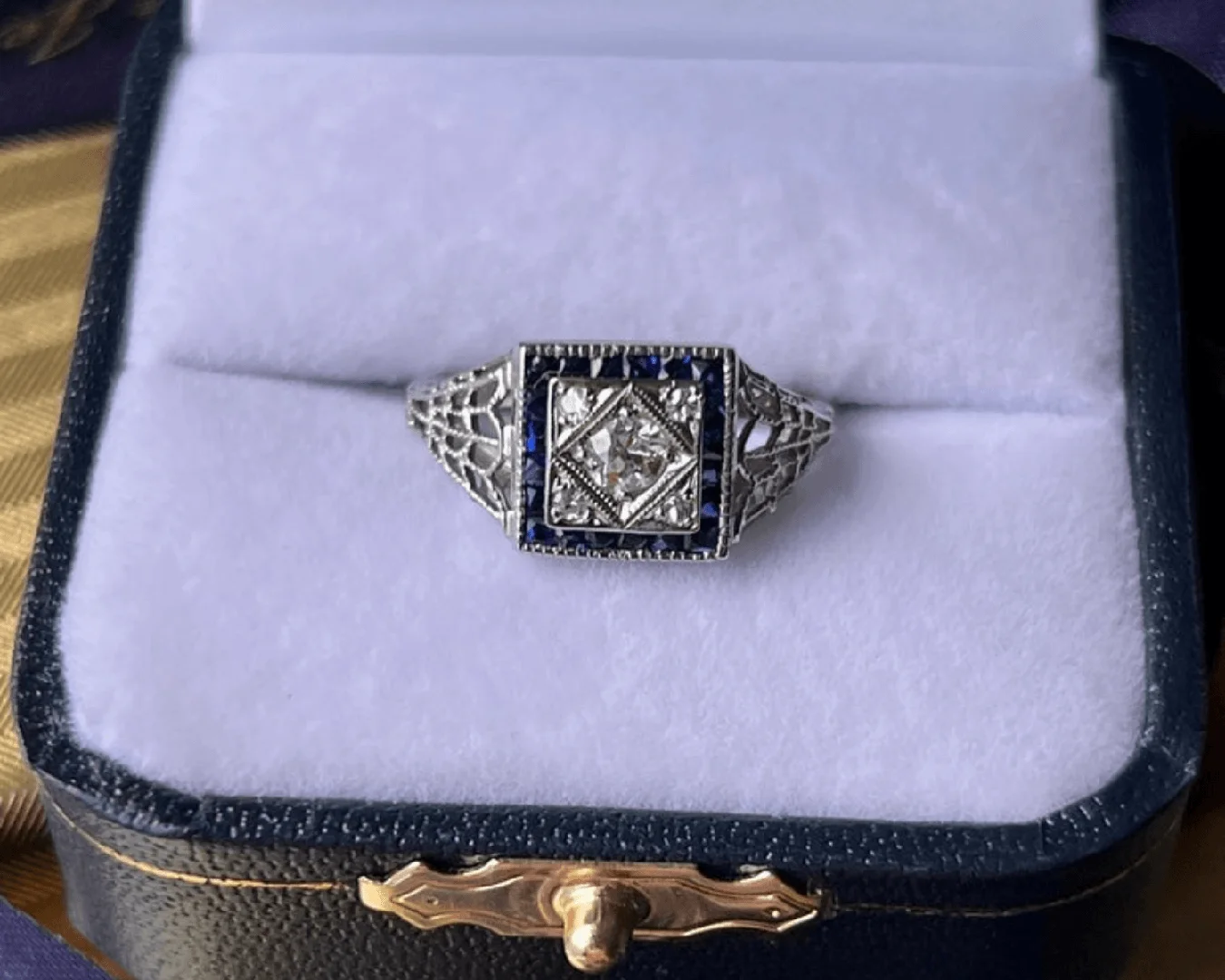
For a closer look at historical engagement ring designs, explore our guide to antique engagement ring settings and their influence on modern styles.
Victorian Diamond Rings (1837–1901)
Victorian jewelry encompasses a wide range of styles influenced by Queen Victoria's reign. Early designs often featured romantic motifs such as hearts, flowers, bows, and snakes, while later pieces reflected the more somber fashions of the Queen's mourning period. Yellow and rose gold were common, and rings could feature intricate metalwork, old mine cuts, and rose-cut diamonds.
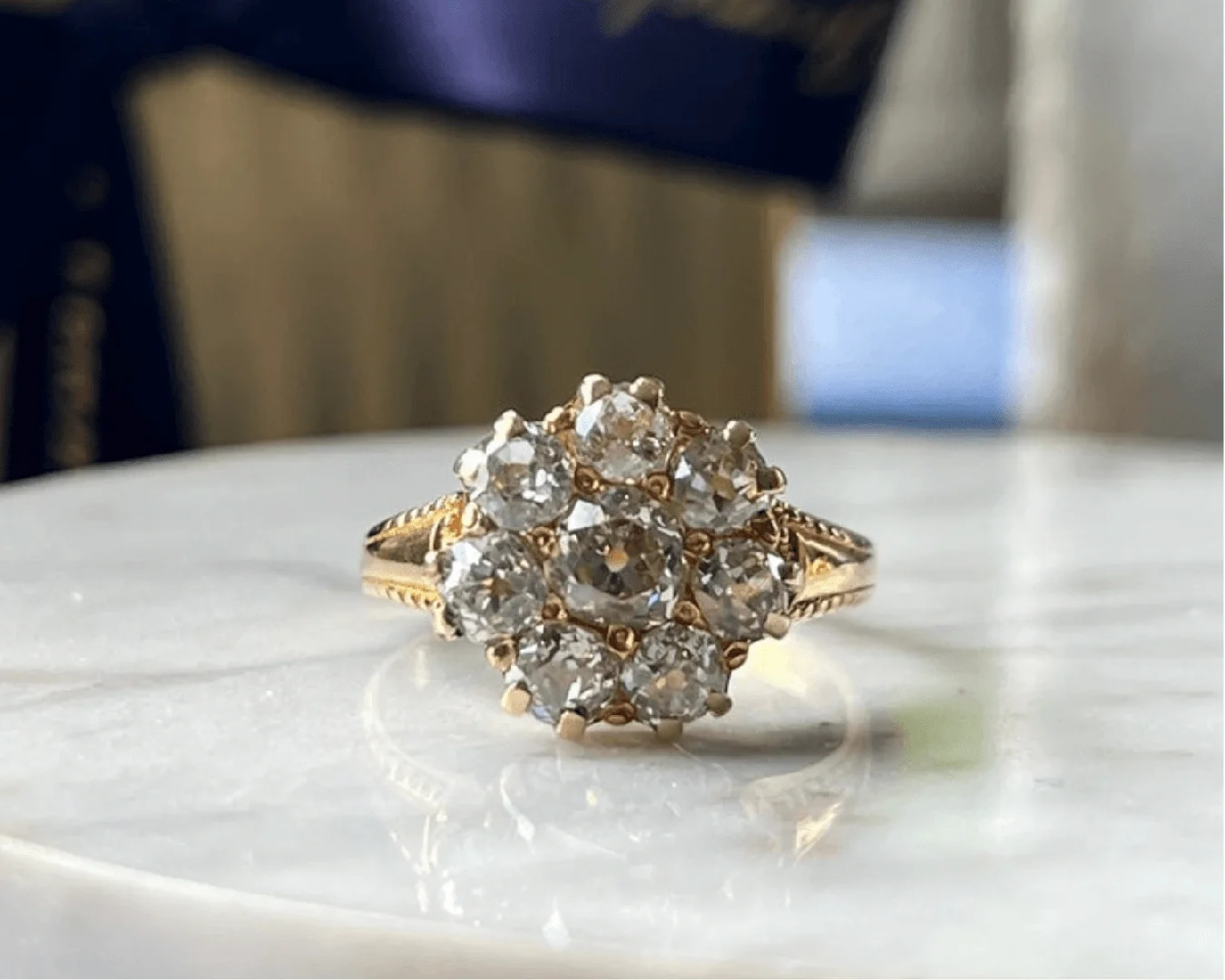
For buyers who appreciate romantic details, warm-toned metals, and the character of hand-crafted jewelry, Victorian diamond rings offer plenty of variety.
Art Nouveau Diamond Rings (c. 1890–1910)
Art Nouveau jewelry drew inspiration from nature, with flowing lines, floral motifs, leaves, and other organic forms. Designs often favored graceful curves and asymmetry over rigid geometric patterns. Some pieces incorporated enamel, colored gemstones, and diamonds.
If you prefer artistic details and a less conventional appearance, Art Nouveau rings offer an appealing alternative to more structured designs. The movement overlapped with the late Victorian and early Edwardian periods, so individual rings may share characteristics with both.
Edwardian Diamond Rings (c. 1901–1915)
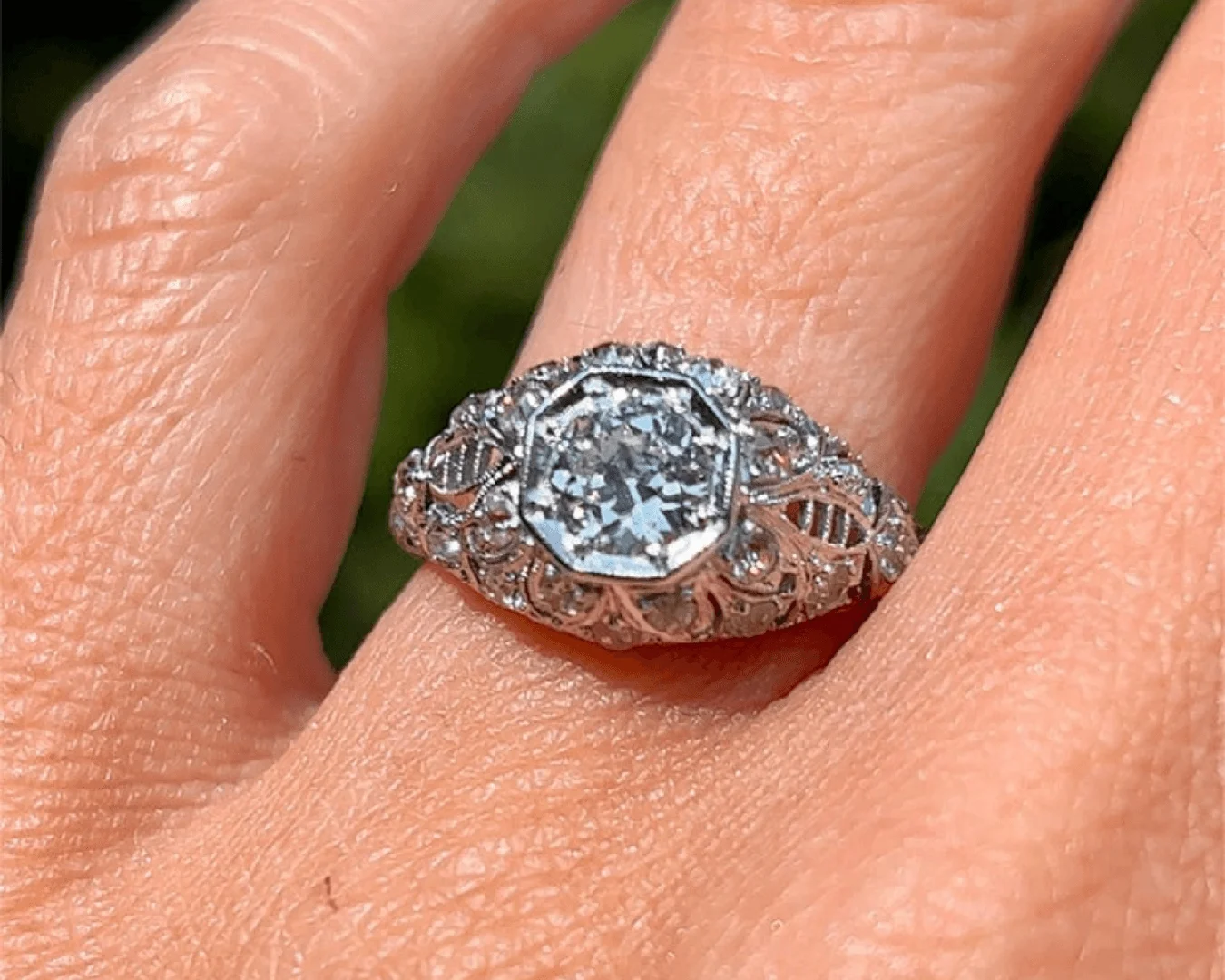
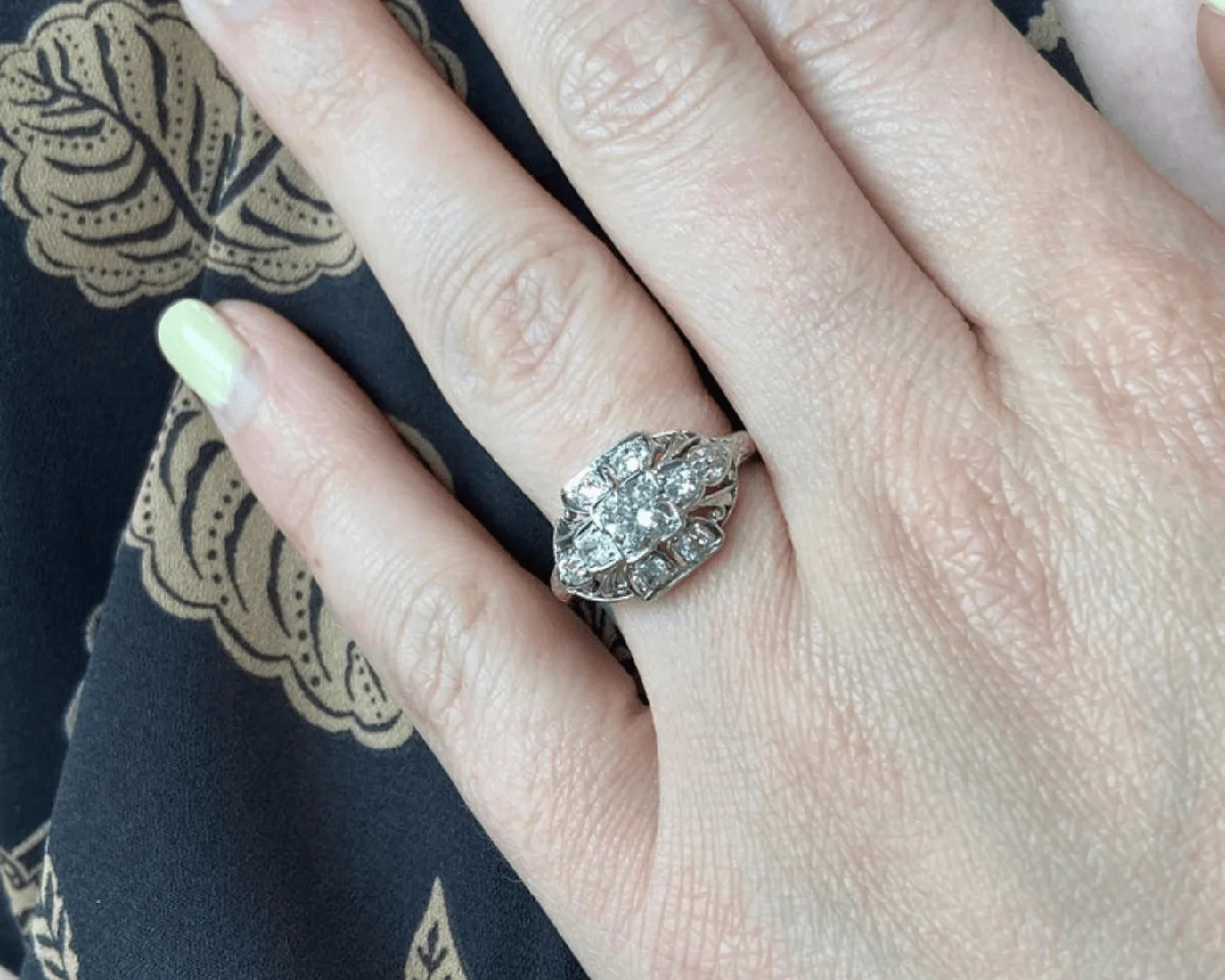
Edwardian jewelry is known for its delicate, airy appearance and intricate metalwork. The increasing use of platinum allowed jewelers to create elaborate filigree, fine milgrain detailing, and openwork settings that showcased diamonds while minimizing the visible metal. Bows, garlands, and lace-like patterns were popular design elements.
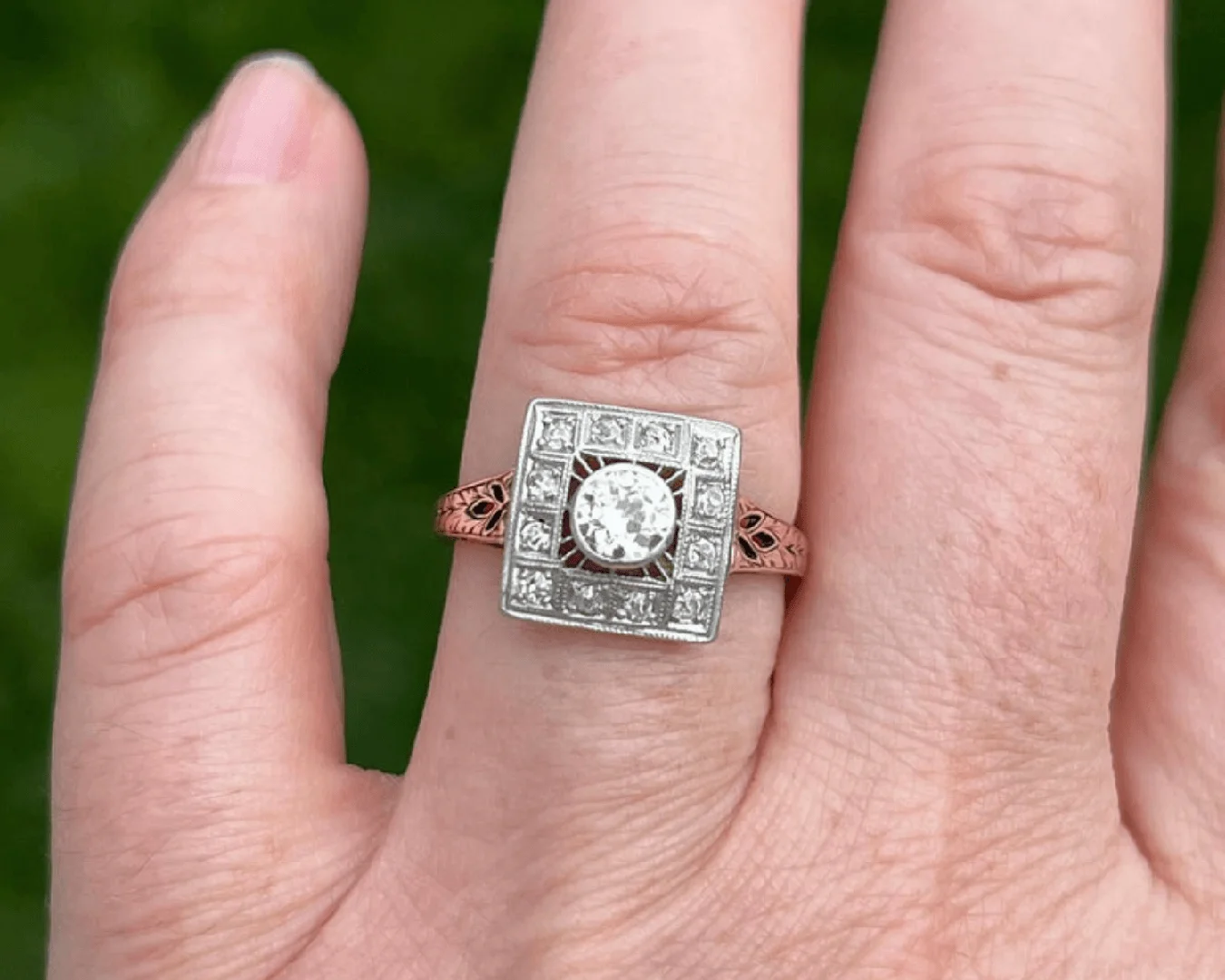
Edwardian diamond rings may appeal to buyers who appreciate intricate craftsmanship and a light, elegant look. Their fine metalwork can be delicate, however, so it's important to assess the condition of the setting before purchasing a ring for regular wear.
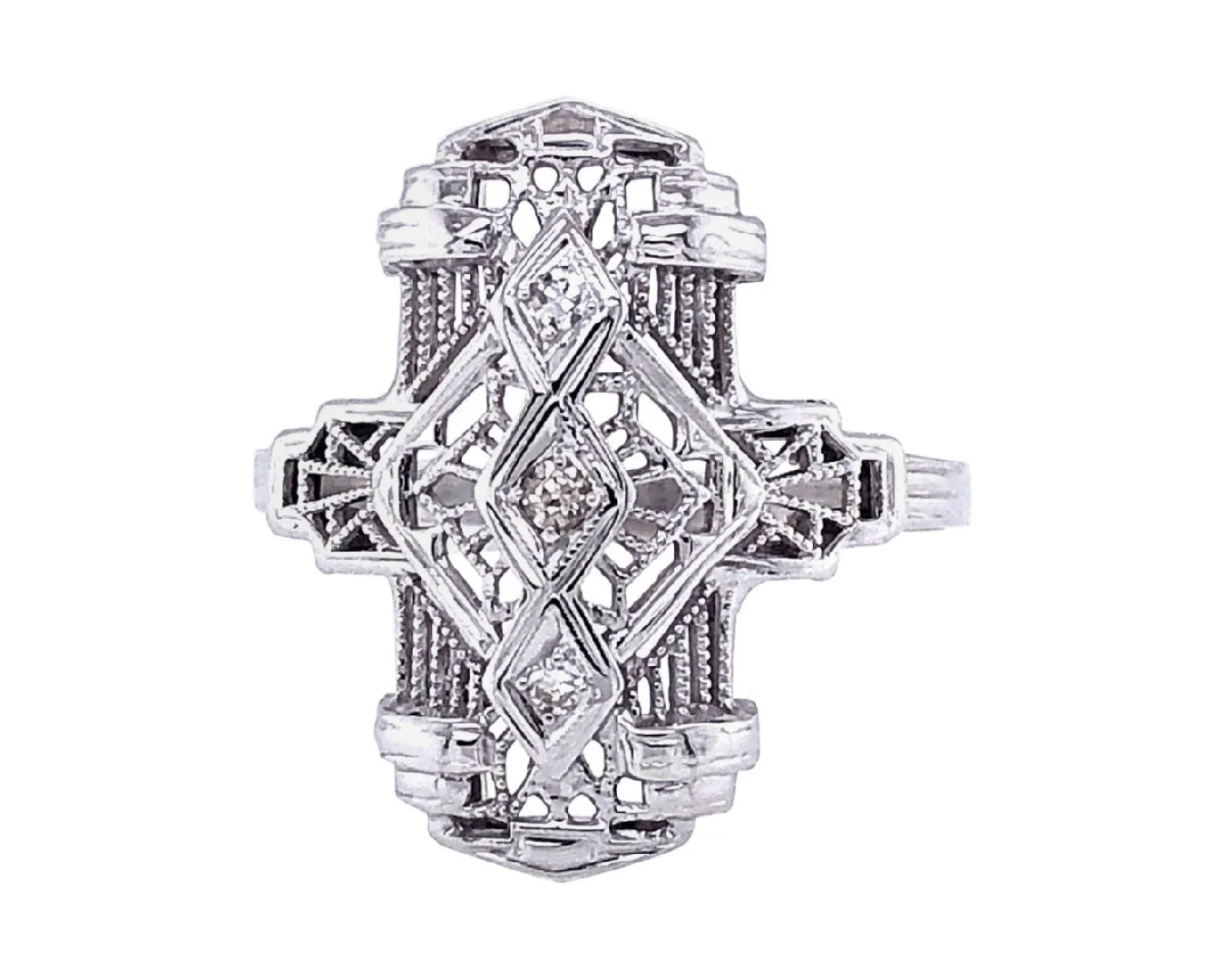
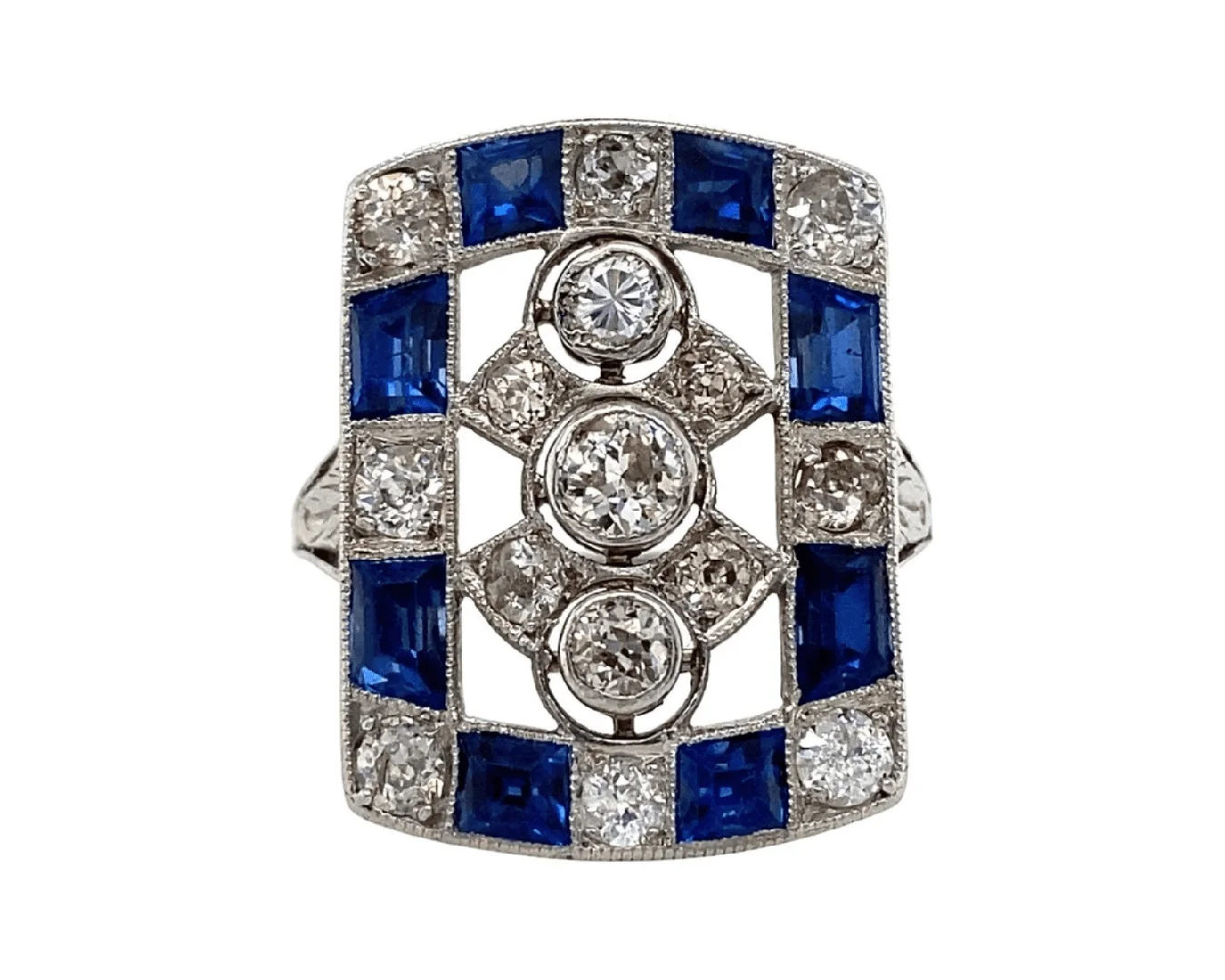
Art Deco Diamond Rings (c. 1920–1935)
Art Deco rings are known for their geometric patterns, symmetry, bold lines, and architectural settings. Diamonds may be arranged alongside contrasting gemstones, such as sapphires, emeralds, or onyx, to create striking visual effects.
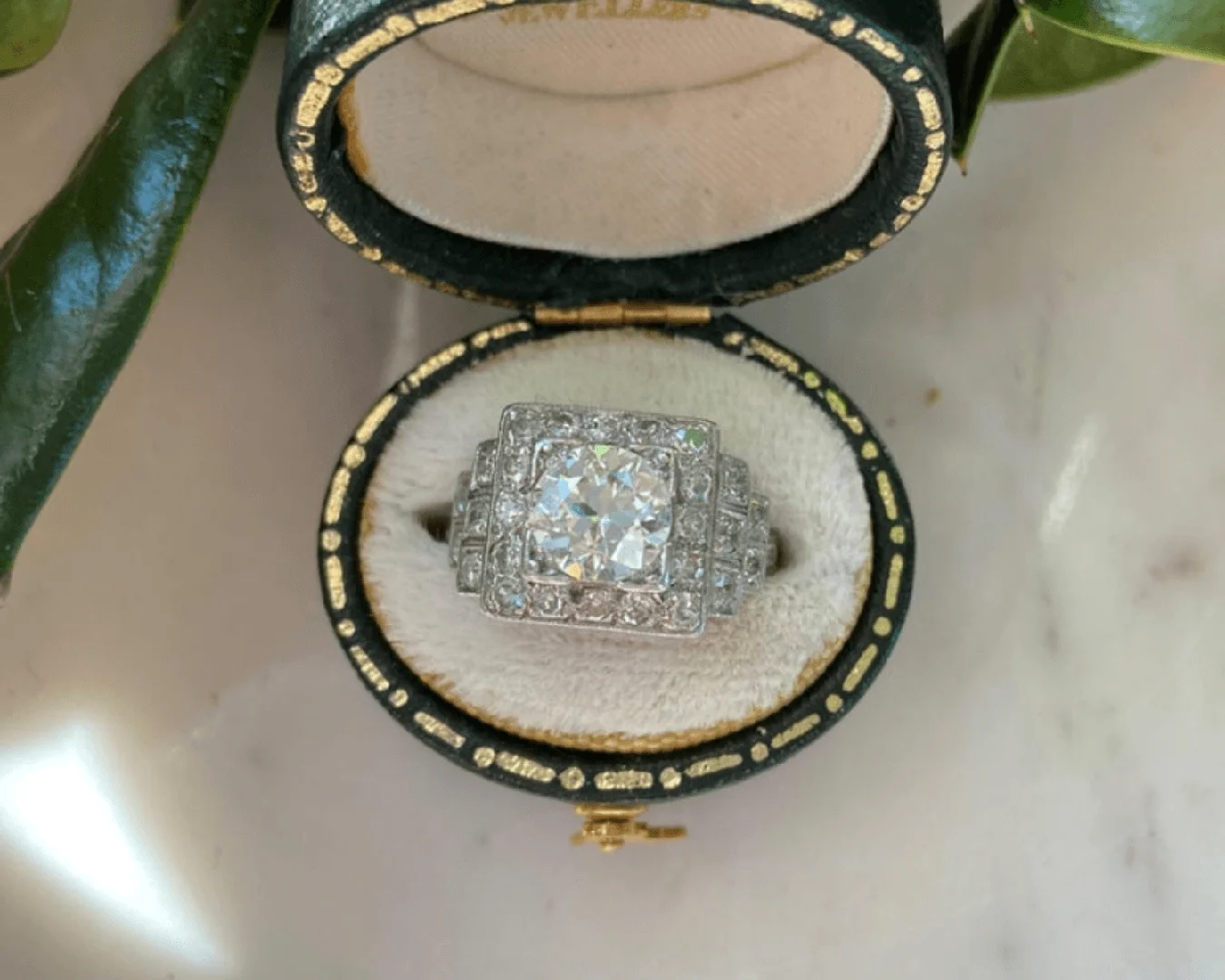
These rings can be a good fit for someone who prefers defined shapes and a more structured look. Old mine cuts and other earlier diamond cuts may appear in later settings, although old mine cuts originated well before the Art Deco period.
Understanding Antique Diamond Cuts
The diamond cut can influence a ring's overall character as much as its setting. Antique diamonds often have a different appearance from modern cuts, with distinctive patterns of light and proportions. Here are a few styles you may encounter when shopping for antique diamond rings.
| Diamond cut | What to look for | Overall appearance |
|---|---|---|
| Rose cut | A low profile with a faceted, domed top | Soft, subtle shimmer |
| Old mine cut | A cushion-like shape with a high crown | Broad flashes of light and a distinctive antique look |
| Old European cut | A rounded shape with a softer, less precise appearance than many modern round diamonds | Chunky sparkle with a vintage character |
| Transitional cut | A round shape that bridges older cutting styles and modern brilliant cuts | A balance of traditional character and modern brilliance |
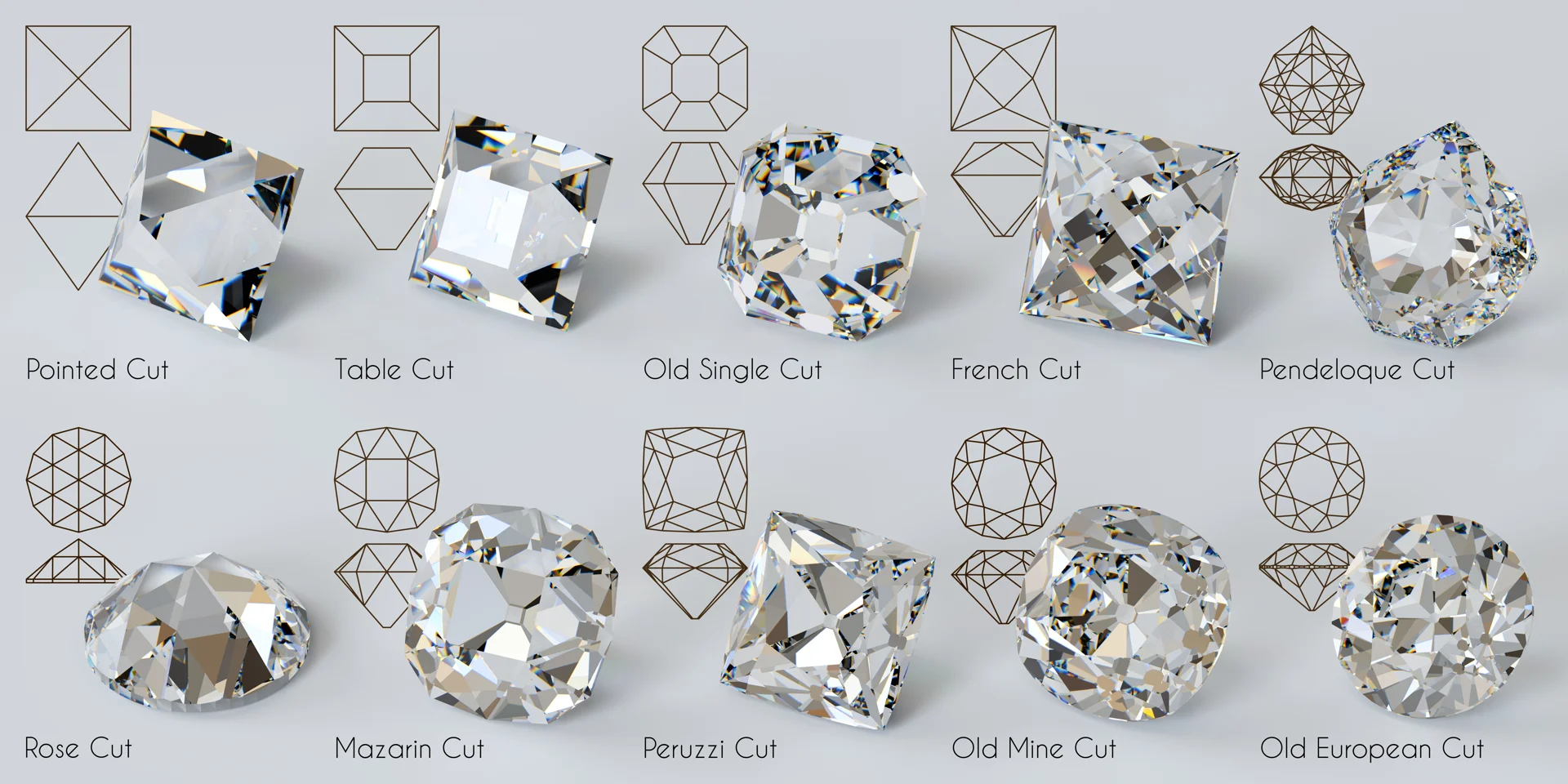
Antique diamonds vary from stone to stone, so these descriptions are general guides rather than strict rules. To compare their history, faceting, and technical characteristics in more detail, read our guide to antique diamond cuts.
What to Look for When Buying an Antique Diamond Ring
When comparing antique diamond rings, consider more than the design you find most attractive. The diamond's appearance, the condition of the setting, and the possibility of future alterations can all affect whether a ring is right for you.
Understanding these factors can help you compare prices, anticipate potential repair costs, and choose a ring you'll feel comfortable wearing.
Evaluate the Diamond's Appearance and Quality
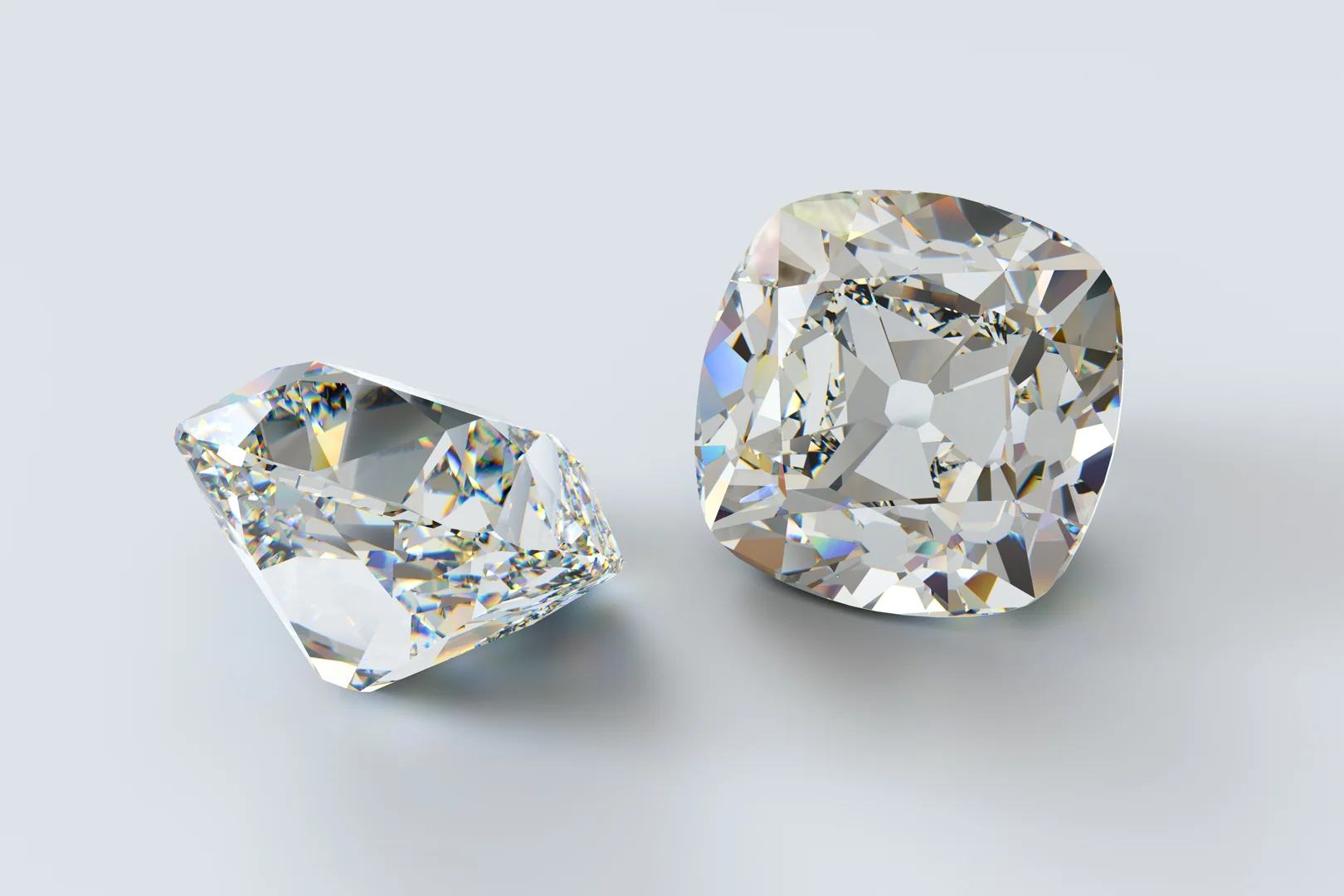
Antique diamonds often look different from modern diamonds because of their cutting styles and proportions. When comparing rings, consider the diamond's shape, sparkle, color, clarity, and size in relation to the setting. These characteristics influence both the ring's appearance and its price, but the most expensive or largest diamond won't necessarily be the one you prefer.
Ask the seller about the diamond's known characteristics and whether a grading report or appraisal is available. Not every antique diamond has a modern grading report, and an appraisal can provide additional information about the ring's materials, condition, and estimated value. If documentation is unavailable or you want an independent assessment before purchasing, consider having the ring evaluated by a qualified, independent jewelry appraiser. This can help you better understand the piece and decide whether the asking price is reasonable.
Check the Ring's Condition Before Buying
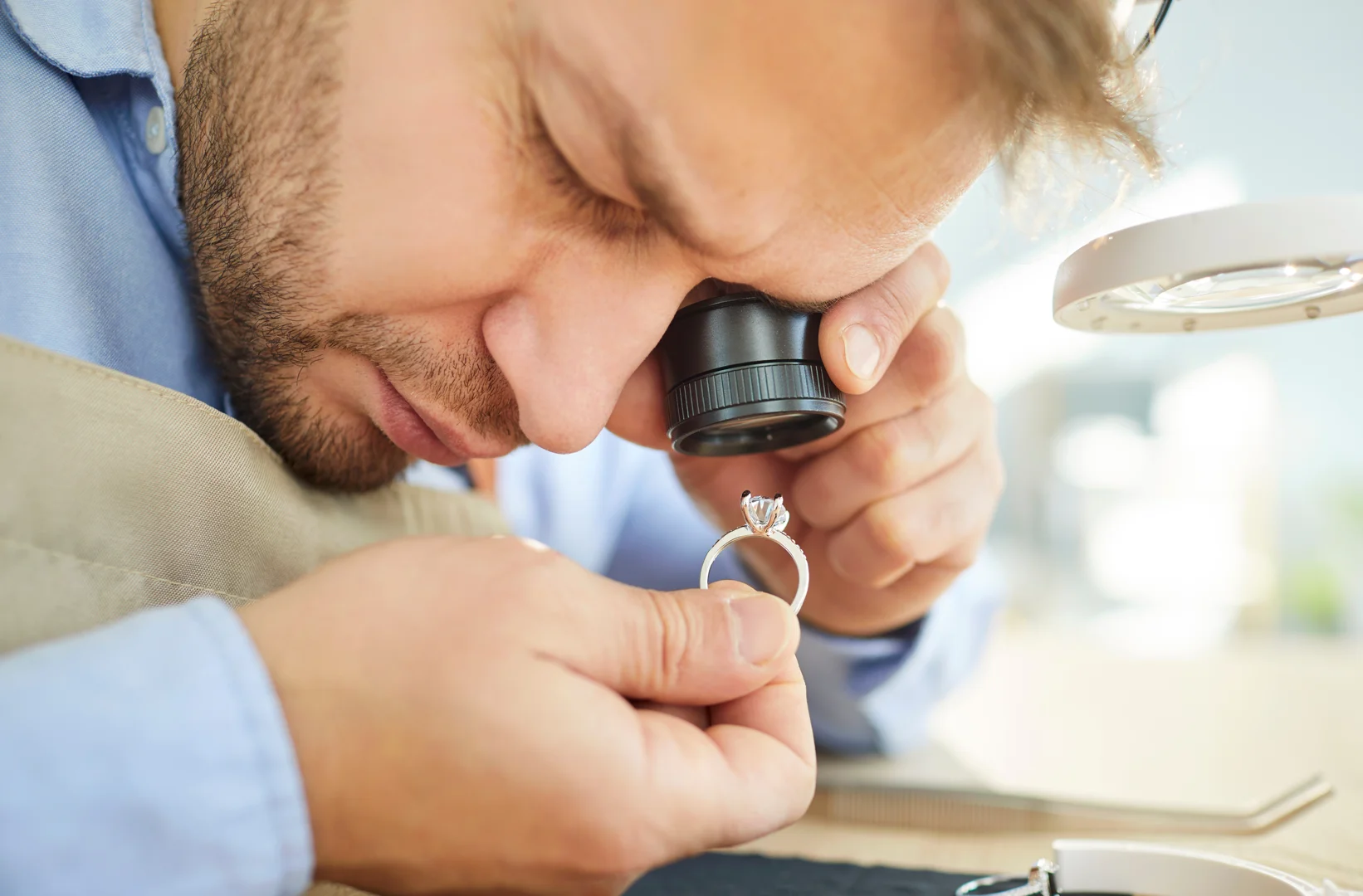
An antique ring can be beautiful but still need repairs before it's suitable for regular wear. Having its condition assessed before purchase helps you understand any additional costs and reduces the risk of losing a diamond or damaging the setting after you bring it home.
Pay particular attention to:
- Prongs and stone settings: Worn or damaged prongs can leave diamonds vulnerable to loosening or loss.
- Ring shank: A thin or cracked band may need repair before the ring can be worn safely.
- Decorative metalwork: Damaged filigree, worn milgrain, or missing details may affect the ring's appearance and restoration costs.
- Previous repairs: Resizing, soldering, or other alterations may affect the ring's structure or original design.
- Accent stones: Loose or missing stones may require additional work.
Ask a qualified jeweler to inspect the ring and explain any recommended repairs before you commit to the purchase. A ring that needs work isn't necessarily a poor choice, but you should understand the condition and likely costs upfront.
Make Sure the Ring Can Be Resized if Needed
If the ring doesn't fit, don't assume it can be resized as easily as a modern plain band. Intricate filigree, continuous engraving, channel-set stones, and certain antique settings can make alterations more difficult or limit the available options.
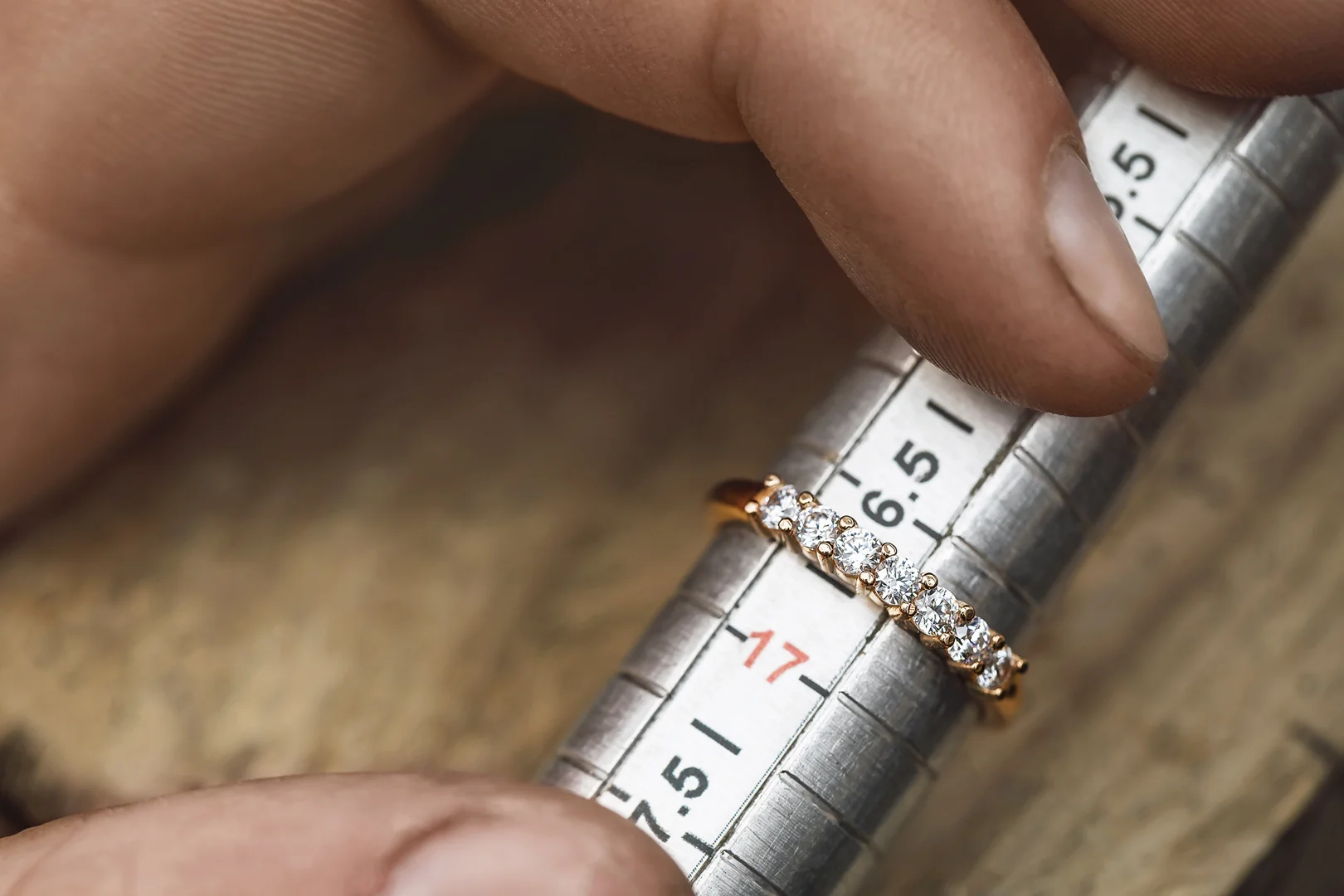
Before purchasing a ring that needs resizing, ask a jeweler whether the adjustment is feasible and whether it could affect the design or structural integrity. This is especially important when buying a ring online or choosing one as a surprise gift. Our guide to antique ring sizing explains additional considerations when resizing older rings.
If resizing isn't practical, you may need to consider another ring or explore alternatives with a jeweler. If you'd rather transform an inherited piece, our guide to ideas for repurposing vintage and estate jewelry offers ideas to consider.
How to Verify Authenticity and Evaluate Price
Antique diamond rings can vary considerably in price, even when they appear similar at first glance. The age and rarity of a piece, the quality of its materials, its condition, and the craftsmanship involved can all influence its value.
Check Hallmarks and Available Documentation
Hallmarks and maker's marks can provide useful clues about a ring's metal content, manufacturer, and possible origin. Look for stamps indicating gold purity, such as 18K, or platinum markings. However, marks vary by country and period, and their presence or absence does not independently establish a ring's age or authenticity.
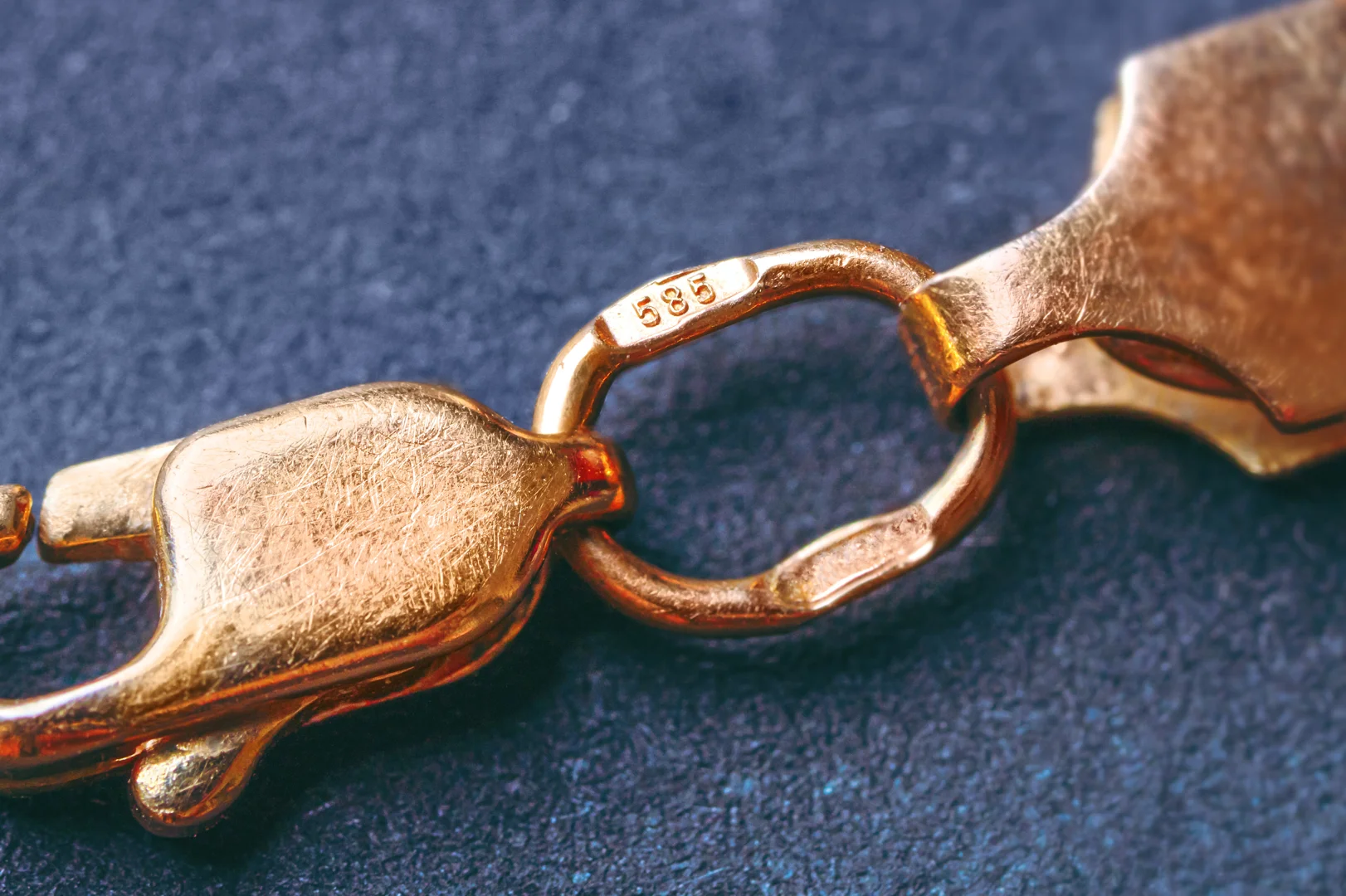
Ask the seller what is known about the ring's history and whether any supporting documentation is available. Depending on the piece, this might include an appraisal, previous sales records, original receipts, family records, or documentation identifying the maker.
Not every authentic antique ring will have a complete ownership history. Provenance can add historical interest and, in some cases, affect value, but a missing paper trail does not automatically mean a ring is inauthentic.
For an additional perspective on evaluating jewelry and documenting its characteristics, see our guide to what estate jewelry is.
Understand What Affects the Price
The price of an antique diamond ring depends on several factors, including:
- Diamond characteristics: Carat weight, color, clarity, cut, and overall appearance can influence price. Learn more about diamond characteristics here.
- Design and craftsmanship: Intricate metalwork, distinctive design features, and exceptional workmanship may contribute to a ring's desirability.
- Materials: The type and weight of the metal, along with any accent gemstones, affect the overall value.
- Condition: Wear, damage, previous repairs, and the need for restoration can influence the price and future maintenance costs.
- Rarity and maker: Unusual designs and pieces associated with recognized makers may command a premium.
- Documentation: Reliable supporting records may help establish a ring's identity, history, or characteristics.
Prices can range from relatively accessible pieces to several thousand dollars or more for rings with exceptional diamonds, elaborate settings, or notable historical significance. Rather than relying on a single price range for all antique rings, compare pieces with similar characteristics and ask what accounts for differences in price.
A professional appraisal can help document a ring's characteristics and estimated value for a specific purpose, such as insurance. Remember that an insurance appraisal, a seller's asking price, and the amount a buyer might receive in a resale are not necessarily the same.
Caring for an Antique Diamond Ring
With appropriate care, an antique diamond ring can remain wearable for generations. However, older settings may contain delicate metalwork, previous repairs, or materials that require special handling.
For routine cleaning, avoid assuming that every antique ring can be cleaned the same way. Ultrasonic cleaners and harsh chemicals may damage delicate settings, loosen stones, or harm materials such as enamel and pearls. When the ring's construction is uncertain, consult a jeweler before using a cleaning method beyond gentle, appropriate care.
A professional inspection can help identify worn prongs, loose stones, thinning metal, and other problems before they lead to more extensive repairs. Ask your jeweler how frequently your particular ring should be inspected, especially if you wear it regularly.
The right maintenance approach depends on the ring's condition, materials, and intended use. A qualified jeweler can recommend care suited to the individual piece.
Where to Buy Antique Diamond Rings
Antique diamond rings are available through established jewelry stores, online sellers, estate sales, auctions, antique markets, private collectors, and pawn shops. Each option offers different advantages, but the level of expertise, documentation, buyer protection, and access to after-sale services can vary considerably.
Jewelry Stores and Antique Jewelry Specialists
A reputable jeweler with experience in antique and estate jewelry can help you evaluate a ring's age, diamond, craftsmanship, condition, and any previous alterations. Look for jewelers who can explain what they know about a piece and distinguish documented facts from estimates or assumptions.
Professional education and industry affiliations can help you assess a seller's qualifications. Look for staff with relevant gemological education, such as a GIA Graduate Gemologist diploma, or professional credentials from the American Gem Society (AGS). You can also look for stores that belong to Jewelers of America (JA), whose members commit to a Code of Professional Practices. Professional credentials and industry memberships can help you assess a jeweler’s expertise and commitment to professional standards. For any antique ring, it’s also important to review the available documentation and ask questions about the piece’s history, condition, and valuation.
You can verify qualifications and membership through the organizations' official directories:
- GIA Graduate Gemologist program
- American Gem Society credentials
- Find a Jewelers of America member store
A knowledgeable jeweler should be willing to discuss the ring's condition, available provenance or appraisal documentation, potential repairs, resizing limitations, and return policy. Buying in person also gives you the opportunity to examine the ring under different lighting and ask questions before making a decision.
Online Marketplaces and Jewelry Retailers
Online shopping can give you access to a wider selection of antique diamond rings than you might find locally. However, photographs may not show a ring's condition accurately, and it can be difficult to assess its scale, sparkle, craftsmanship, or fit on a screen.
Research both the platform and the individual seller. Read reviews, examine photographs closely, and ask for additional images, video, or information about the diamond, metal, hallmarks, condition, and any repairs. Check the return policy before purchasing, including whether returns are permitted after an independent inspection. Be cautious of vague descriptions, unsupported claims about a ring's age, and sellers who avoid reasonable questions.
Estate Sales, Auctions, and Antique Markets
Estate sales and antique markets can offer distinctive pieces, including rings that have not been widely circulated through jewelry retailers. Auctions may provide access to specialized inventory and detailed condition reports. However, the amount of information and buyer protection varies by seller and venue.
Some pieces may be sold with limited documentation, while others may have been altered, repaired, or incorrectly described. Auction terms can also restrict returns, and additional fees may increase the final cost beyond the winning bid. Before committing, review the item's description and condition report, ask what is known about its history, and find out whether an independent jeweler can examine it before or after purchase.
Private Sellers and Pawn Shops
Buying from a private collector or pawn shop may provide opportunities to find unusual pieces, but these transactions can require more independent research. The seller may not have detailed knowledge of the ring's age, diamond characteristics, previous repairs, or market value.
Ask what evidence supports the seller's description and whether the materials and gemstones have been professionally assessed. If you cannot verify the ring's condition and value before purchasing, consider the possibility of unexpected repair costs or difficulty returning the item. Obtain a detailed receipt that records the ring's description and any specific claims made by the seller.
Use a Jewelry Identification Guide as a Reference
If you plan to shop for antique jewelry regularly, a pocket-sized reference such as C. Jeanenne Bell's How to Be a Jewelry Detective can help you learn about hallmarks, metal markings, gemstone characteristics, and other clues that may help you assess a piece. Use these resources to guide your questions and identify details worth investigating, not as a substitute for professional evaluation. Only a qualified professional with the appropriate expertise and access to the piece can reliably assess its characteristics, condition, and potential value.
Protect Yourself Before You Buy
Regardless of where you shop, take time to understand what you are buying. Ask about the ring's known history, diamond characteristics, metal content, condition, previous alterations, and available documentation. When appropriate, seek an independent assessment from a qualified jeweler or appraiser before finalizing the purchase.
Also review the return policy, warranty, and any additional fees. A low asking price may be less attractive if the ring needs substantial repairs or cannot be returned after an inspection.
At Nelson Coleman Jewelers, our team can help you explore antique and estate jewelry, compare styles, and understand the considerations involved in choosing a piece. Start by browsing our antique jewelry collection or visiting one of our showrooms to discuss your preferences with our team.
Use a Checklist Before You Buy
An antique diamond ring’s appeal is only part of the decision. Before you buy, ask about the diamond’s characteristics, the ring’s condition, any previous repairs, and whether resizing or additional maintenance may be needed. Our Antique Diamond Ring Buying Checklist brings these questions together in one convenient reference you can print and take with you while shopping.
Download the Antique Diamond Ring Buying Checklist (PDF)
Frequently Asked Questions About Antique Diamond Rings
How old does a diamond ring have to be to qualify as antique?
Antique jewelry is commonly defined as jewelry that is at least 100 years old. The precise age of a ring matters, so a piece's design alone cannot establish that it qualifies as antique. Vintage generally describes older jewelry that has not yet reached the 100-year threshold, while estate jewelry refers to previously owned pieces of any age.
Are antique diamond rings suitable for everyday wear?
Some antique diamond rings can be worn every day, provided their settings and overall condition are suitable for regular use. Delicate metalwork, worn prongs, and previous repairs may require attention. Have a qualified jeweler assess the ring before making it part of your daily routine.
Can antique diamond rings be resized?
Many antique rings can be resized, but the feasibility depends on the design, metal, construction, and condition. Intricate filigree, continuous engraving, and certain stone settings can make resizing more complicated. Ask a jeweler to evaluate the ring before purchasing it if the size needs to be changed.
What affects the value of an antique diamond ring?
Value depends on factors such as diamond characteristics, metal content, craftsmanship, condition, rarity, and the maker. Supporting documentation may also contribute to a ring's desirability. A professional appraisal can help document the piece and estimate its value for a particular purpose.
Are antique diamond rings more sustainable than newly made rings?
Buying an existing ring gives a piece of jewelry a new life and may reduce the demand for newly made jewelry. The overall environmental impact depends on factors such as restoration needs, transportation, and any additional materials or work required. Sustainability is one consideration to weigh alongside style, condition, and price.
Find an Antique Diamond Ring You'll Love
An antique diamond ring offers the opportunity to choose a piece with distinctive details, historical character, and a design that reflects your personal style. By comparing historical styles, evaluating the diamond and setting, and understanding the factors that affect price, you can make a more informed decision.
Nelson Coleman Jewelers has been family-owned since 1856, and our team is here to help you explore jewelry that suits your preferences and budget. Browse our antique jewelry collection to start exploring, or visit one of our showrooms for help finding a ring that feels right for you.


