

Resizing Antique and Vintage Rings: What You Need to Know
An antique or vintage ring can have a beauty and character that is difficult to replicate in a new piece. Whether you inherited a Victorian ring from a family member, found an Art Deco engagement ring you love, or have a vintage band that has been sitting in a jewelry box because it no longer fits, you may be wondering: Can an antique or vintage ring be resized?
In many cases, the answer is yes. However, resizing an older ring requires more consideration than resizing a simple modern band. The age and condition of the metal, the ring's design, the placement of gemstones, and details such as enamel, filigree, hallmarks, or engravings can all affect how—and whether—the ring should be resized. A professional jeweler can evaluate the piece and determine the safest way to achieve a comfortable fit while preserving its character and condition.
Antique vs. Vintage: What's the Difference?
The terms antique, vintage, estate, and heirloom are often used interchangeably when talking about older jewelry, but they don't mean exactly the same thing.
In jewelry, antique generally refers to a piece that is more than 100 years old. That means a ring from the Victorian, Edwardian, or early Art Deco eras may qualify as antique depending on its age. GIA uses the 100-year threshold when describing antique jewelry.
Vintage is a broader term generally used for jewelry that is older but not old enough to be considered antique. There isn't one universally accepted cutoff, but vintage jewelry is commonly associated with pieces from earlier decades of the 20th century and beyond. Nelson Coleman Jewelers typically defines vintage jewelry as being between 50 and 100 years old.
Estate jewelry simply means previously owned jewelry. An estate ring may be antique, vintage, or relatively modern.
And heirloom jewelry refers to a piece that has been passed down or has particular sentimental significance to a family. An heirloom ring could be antique, vintage, or even a much newer piece.
These categories can overlap. An Art Deco ring inherited from your grandmother, for example, could be described as an antique ring, an estate ring, and an heirloom all at once.
Can Antique and Vintage Rings Be Resized?
Many antique and vintage rings can be resized, but there isn't a universal rule for how much an older ring can be adjusted. The appropriate approach depends on the individual piece.
A jeweler will typically consider:
- The condition of the metal: Decades of wear can leave the shank thin or weaken areas that have previously been repaired.
- The ring's construction: Plain bands are generally more straightforward to resize than rings with extensive detail or gemstones around the shank.
- The amount of resizing needed: A small adjustment may be relatively simple, while a significant change in size can put additional stress on the ring.
- The gemstones and setting: Stones may need to be protected during the work, and the setting should be checked afterward to make sure the gemstones remain secure.
- Decorative details: Filigree, engraving, milgrain, enamel, and other period details can make resizing more complicated.
- Hallmarks and inscriptions: Important marks on the inside of the band need to be identified before deciding where to make a cut.
The Gemological Institute of America (GIA) specifically notes that antique and vintage engagement rings can be difficult to resize, particularly when they need to be made significantly larger or smaller.
That's why a professional evaluation is particularly important with an older ring. The fact that a ring looks sturdy doesn't necessarily mean the metal or setting is in condition to withstand resizing.
Which Antique and Vintage Rings Are More Difficult to Resize?
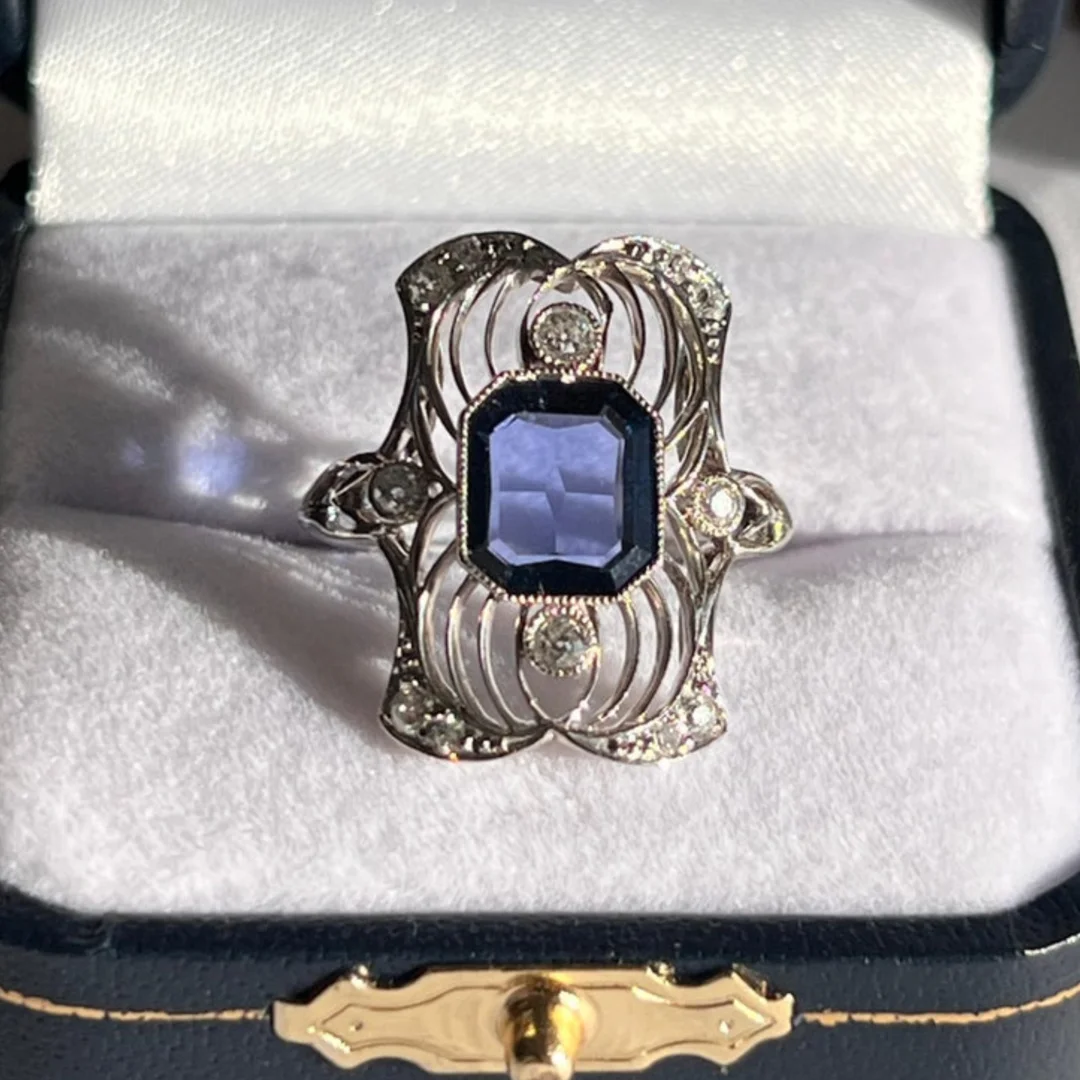
The age of a ring isn't necessarily what makes resizing difficult. Often, it's the design. Some styles commonly associated with antique and vintage jewelry require more care because they leave little room for conventional resizing or contain delicate materials and construction.
Eternity and Gemstone-Set Bands
A traditional ring is often resized by cutting the bottom of the shank and adding or removing a small amount of metal. That becomes more complicated when gemstones extend around much or all of the band.
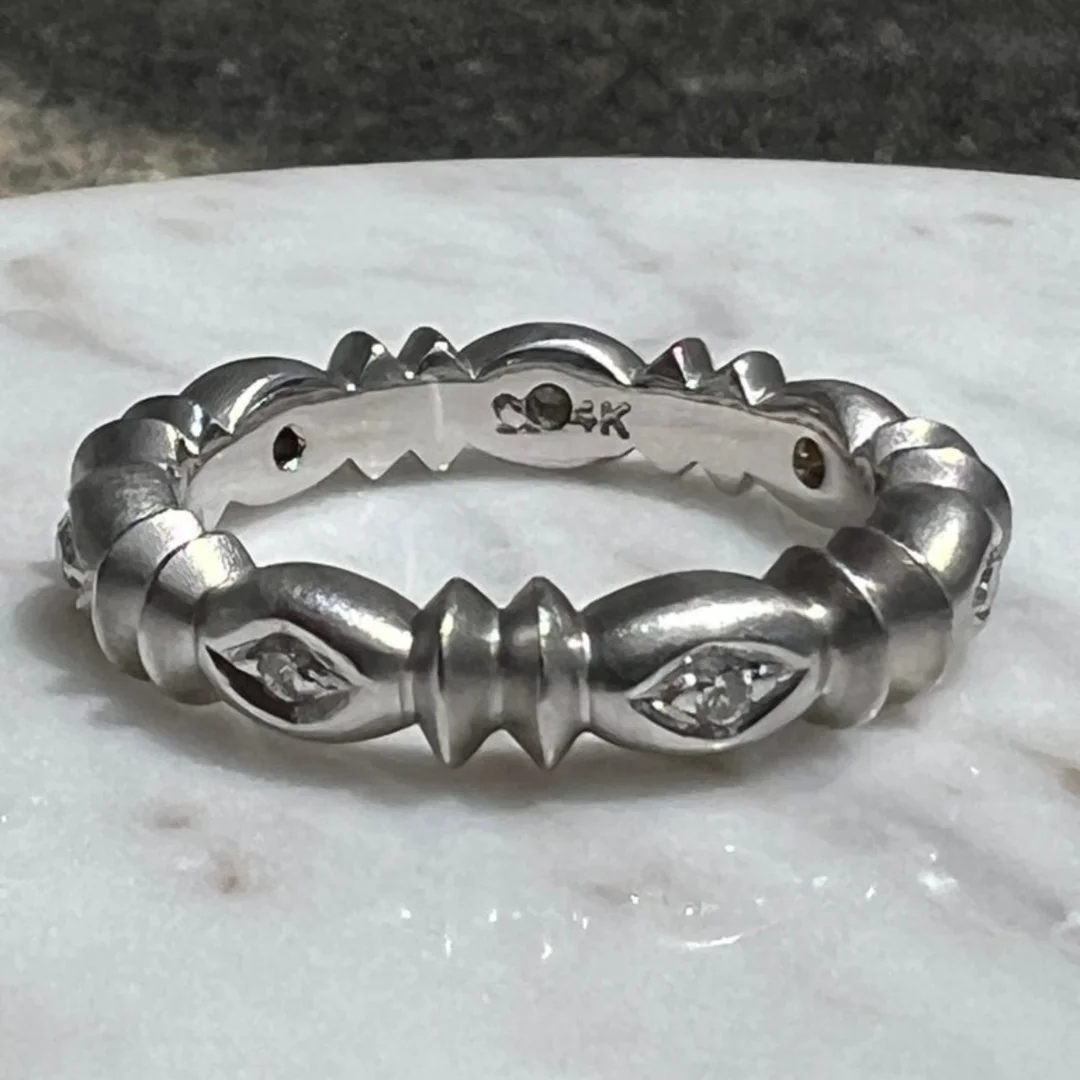
Full eternity rings, for example, have gemstones set continuously around the circumference of the ring. There may be no plain section of metal where a conventional sizing cut can be made without disturbing the design.
Even when a ring isn't a true eternity band, extensive pavé, channel, or bead-set stones around the shank can make resizing more complicated. The amount and location of the gemstone setting need to be considered before any work begins.
Enamel Rings
Enamel is another feature that requires special consideration. Enameling involves fusing glass to a metal surface, and enamel can be vulnerable to damage from impact and heat.
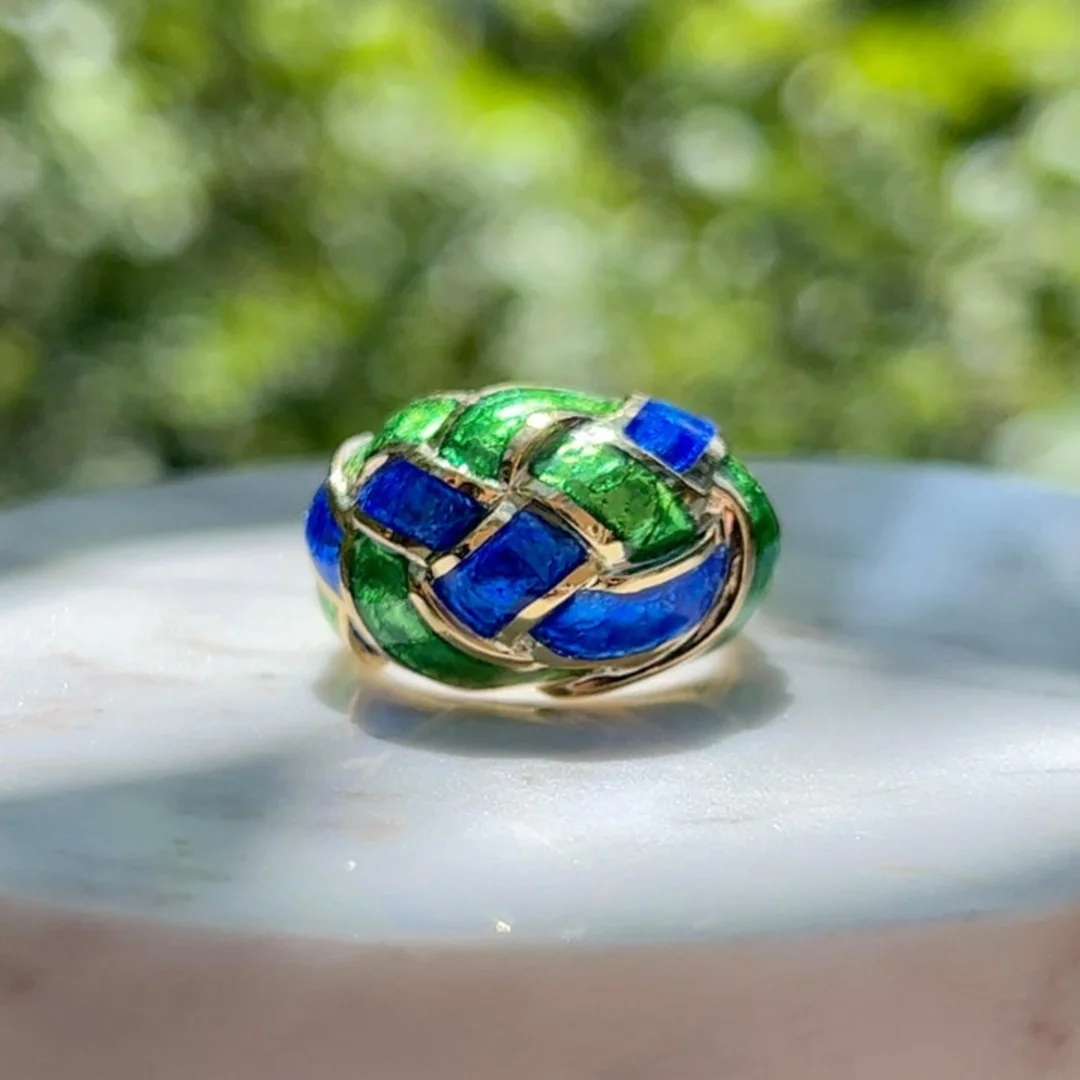
Because resizing traditionally involves heating and working the metal, an enamel ring needs to be evaluated carefully before any alterations are made. Depending on the construction and location of the enamel, a jeweler may need to use specialized techniques or recommend an alternative to conventional resizing.
This is particularly relevant for some Victorian and Art Nouveau jewelry, where enamel was an important part of the design.
Filigree and Intricate Designs
Filigree rings feature delicate metalwork that can be considerably more complicated to work on than a plain band. Antique and vintage rings may also incorporate pierced designs, hand engraving, milgrain, or other decorative details that need to remain intact.
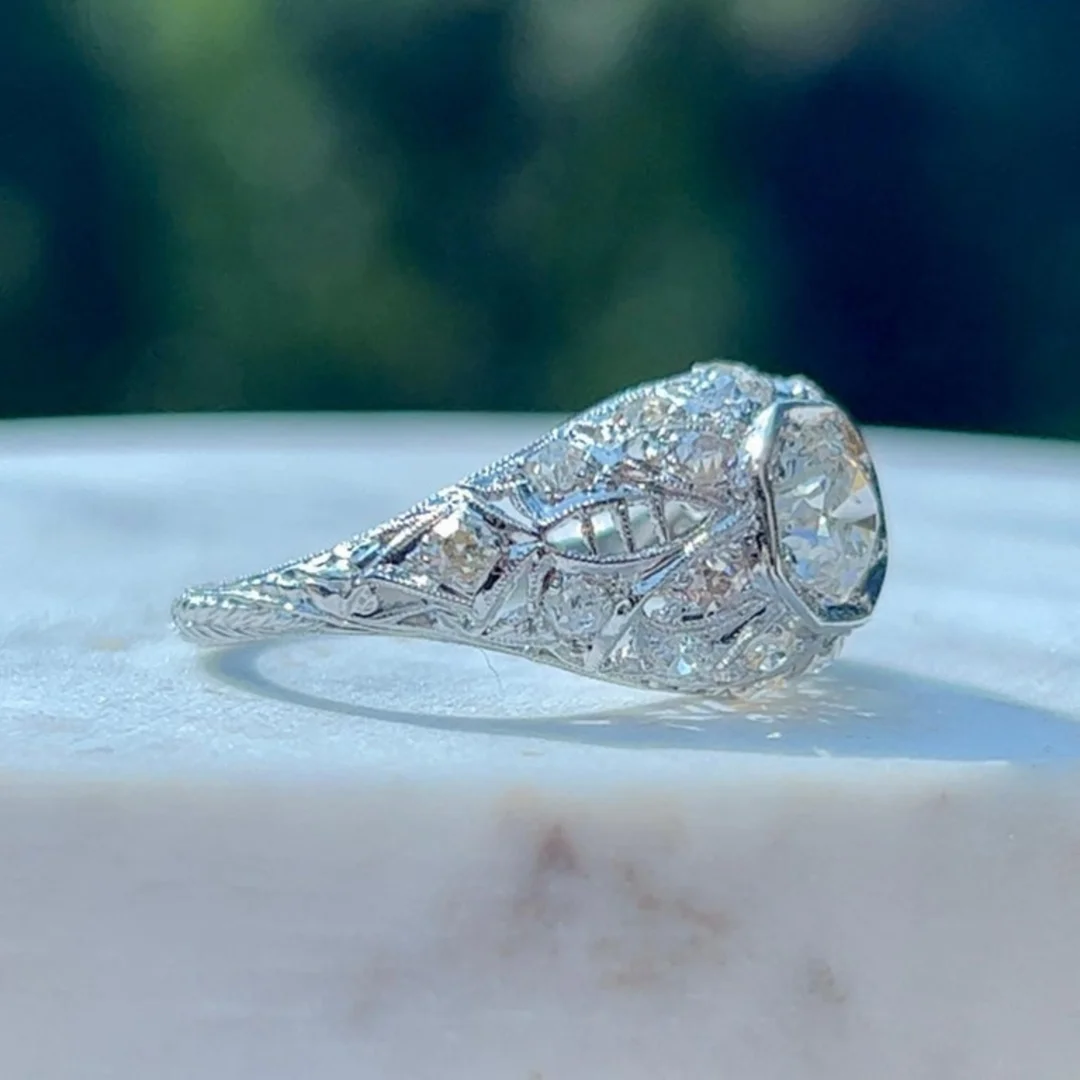
The challenge isn't simply making the ring larger or smaller. The goal is to make the adjustment without distorting the original design or leaving an obvious sign that the ring has been altered.
Rings With Worn or Fragile Metal
Sometimes the biggest concern isn't the ring's design at all—it's its condition.
An older ring may have a thin shank, worn prongs, previous solder repairs, or other areas of weakness caused by decades of wear. GIA notes that prongs and shanks on antique and vintage engagement rings can weaken over time.
Learn more about the most common types of jewelry damage and repairs to look out for.
If the ring needs repair before it can be safely resized, that work should be addressed first. Resizing a structurally compromised ring without accounting for those issues could create additional problems.
How Does Resizing Affect an Antique or Vintage Ring?
With an older piece of jewelry, resizing isn't only about changing the circumference of the band. The alteration can affect some of the features that make the ring historically or personally significant.
Hallmarks and Maker's Marks
The inside of an antique ring may contain hallmarks, maker's marks, metal stamps, dates, or other inscriptions that provide clues about its origin and history. These details can be particularly important to collectors and owners of historically significant jewelry.
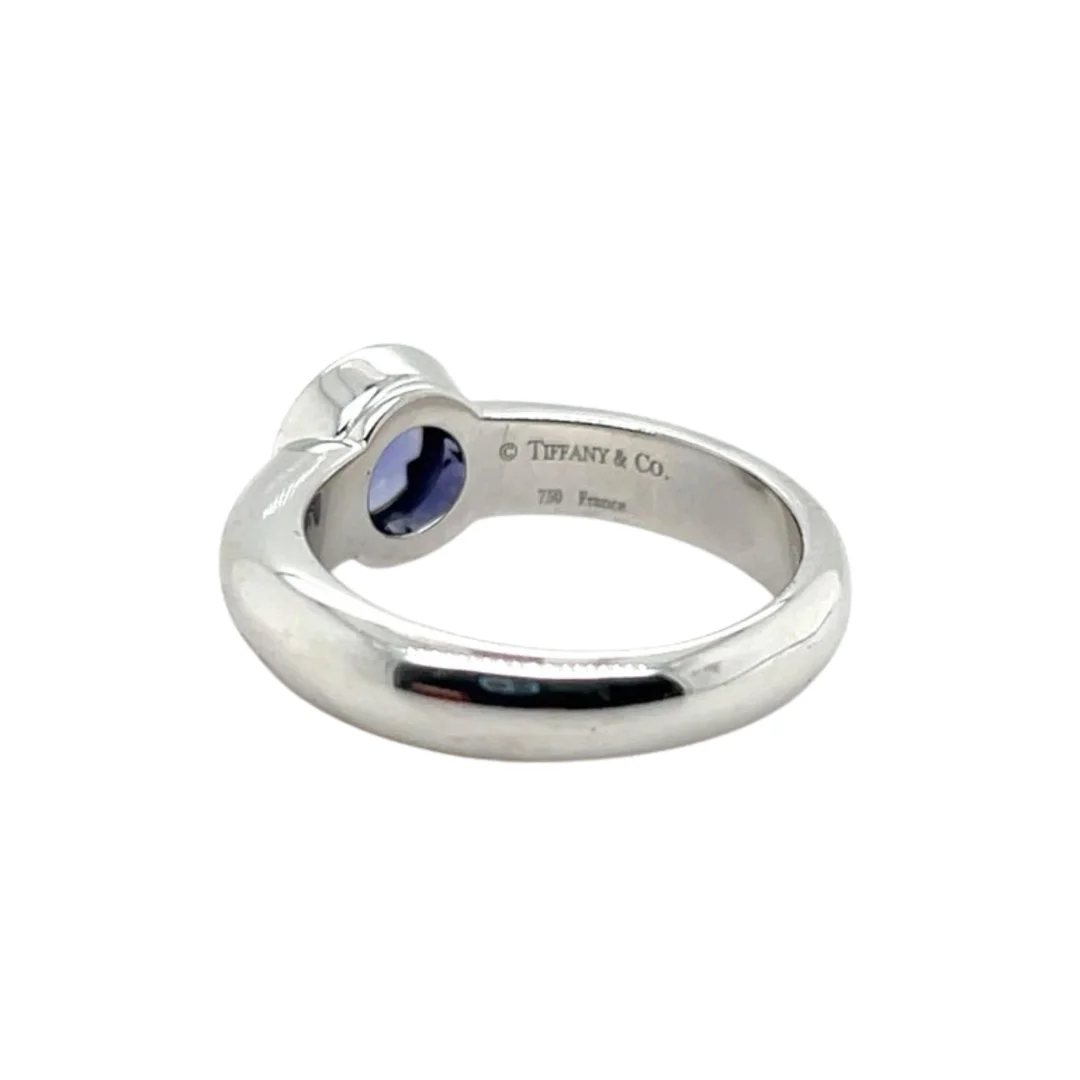
The location of these marks should be considered before the ring is cut. Jewelers of America recommends making the sizing cut at the bottom of the shank unless a quality mark or inscription prevents it.
If a ring has significant historical, sentimental, or monetary importance, having its condition and identifying characteristics documented can also be worthwhile. A professional jewelry appraisal can provide documentation of the piece's characteristics and value.
Engraving and Other Details
A ring may also have a personal inscription, engraved pattern, milgrain edge, or other decorative detail near the area where resizing would normally take place.
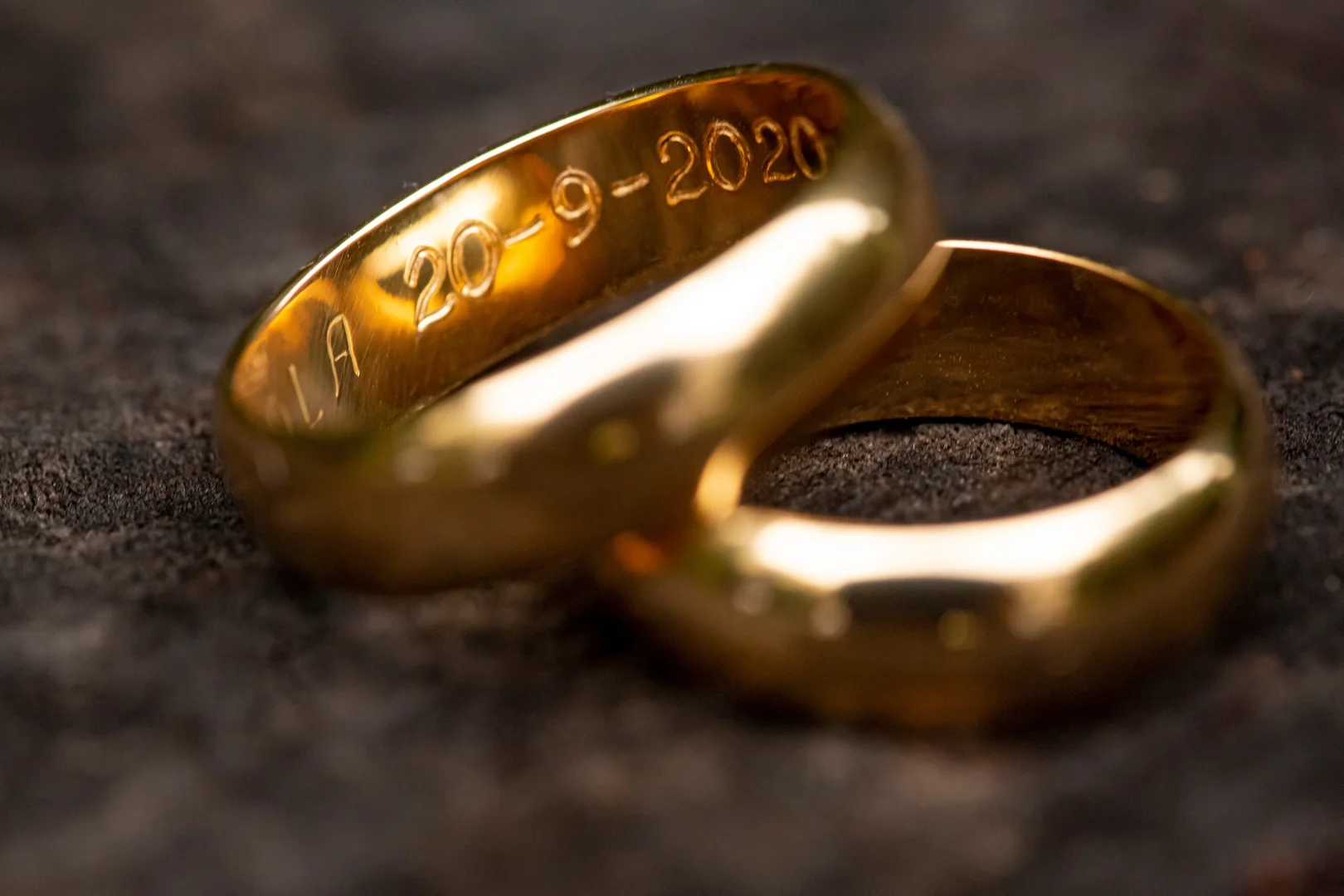
Depending on the ring, the jeweler may be able to preserve these details or determine a different approach to the resizing. That's one reason it's important to point out any inscriptions or features that are especially meaningful to you before work begins.
The Ring's Original Character
Antique and vintage jewelry often has a combination of craftsmanship, wear, and finishing that contributes to its character. A careful repair should address the fit while respecting the original design.
That doesn't mean an older ring can never be altered. It simply means the goal should be to make the necessary change while preserving as much of the ring's original appearance and construction as practical.
What Are the Alternatives to Resizing an Antique or Vintage Ring?
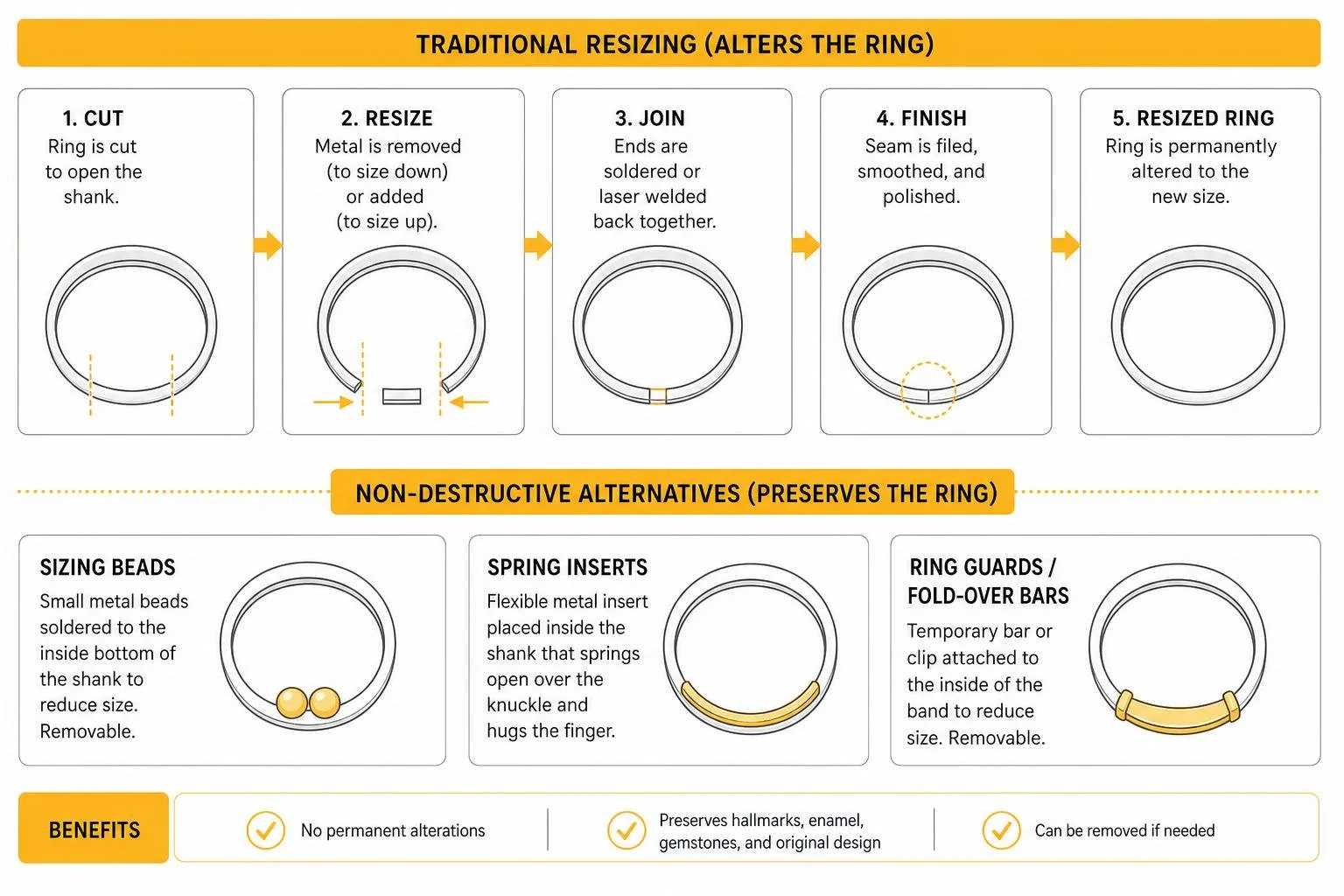
Resizing isn't always the only way to improve the fit of an older ring. If a ring is difficult to resize, only needs a small adjustment, or you want to avoid making a permanent change, your jeweler may recommend another option.
Most non-permanent ring-sizing alternatives are designed to make a ring fit smaller, not larger. Sizing beads, spring inserts, and ring guards work by taking up space inside the ring, so they can help when a ring is slightly too large. If your antique or vintage ring is too small, however, these options won't solve the problem—you'll generally need to consider conventional resizing or another solution recommended by a jeweler.
Sizing Beads
Sizing beads are small metal beads placed inside the bottom of the ring's shank. They can reduce the effective size of a ring slightly while also helping keep a loose ring from spinning.
They're particularly useful when you need a relatively small adjustment or when the ring fits over your knuckle but feels loose once it reaches the base of your finger.
Spring Inserts
A spring insert is an internal mechanism that can help a ring fit more securely while still allowing it to pass over a larger knuckle. This can be helpful for people whose knuckles and finger bases require different ring sizes.
Ring Guards
A ring guard or sizing bar can provide another way to temporarily reduce the effective size of a ring. This may be useful if the ring is expected to be worn by someone else in the future or if you aren't ready to make a permanent alteration.
The right solution depends on both the ring and how its current fit needs to be changed. If the ring is slightly too large, a non-permanent option may provide a way to improve the fit without altering the original band. If the ring needs to be made larger, however, a jeweler will need to determine whether conventional resizing or another approach is appropriate.
How Much Does It Cost to Resize an Antique or Vintage Ring?
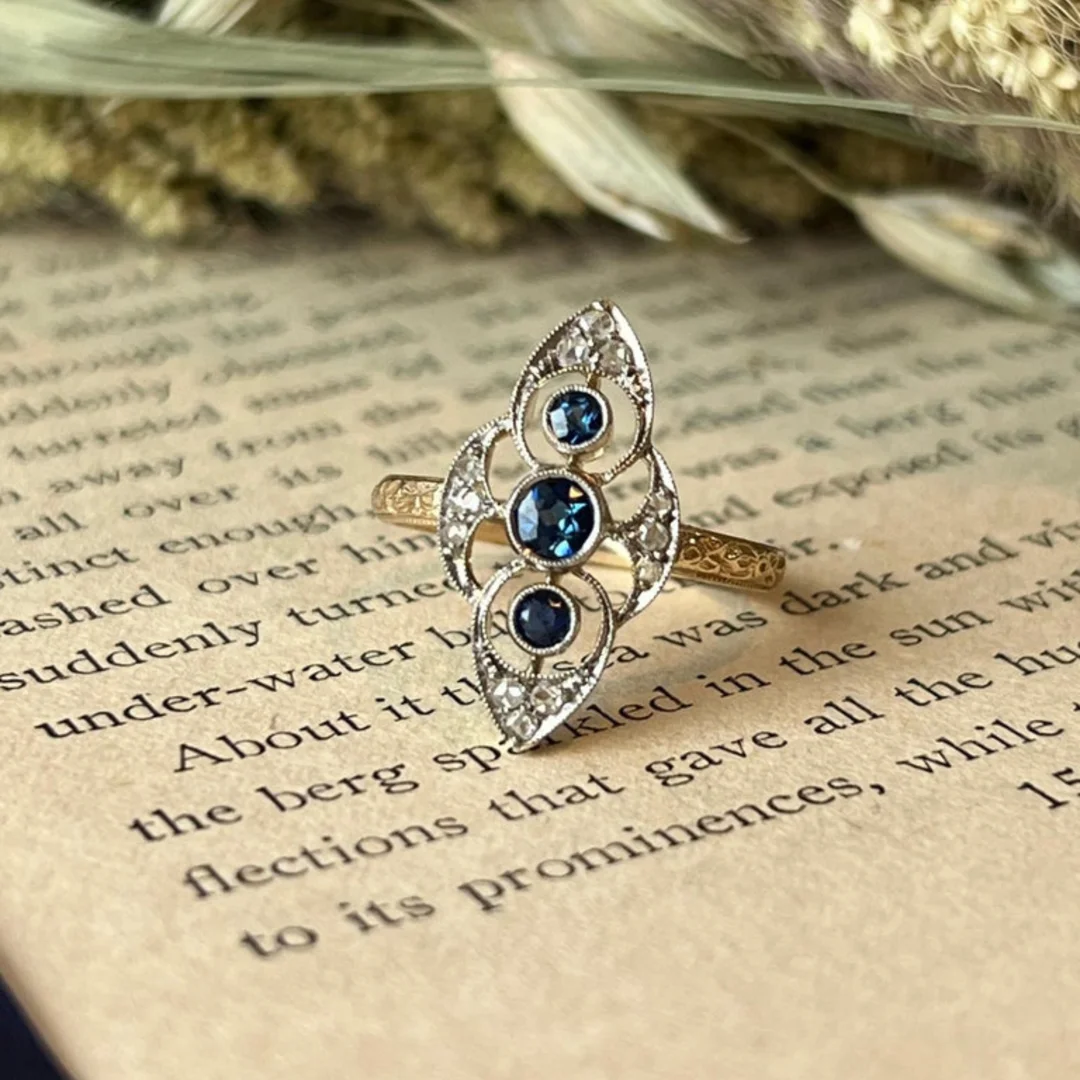
There isn't one standard price for resizing an antique or vintage ring. The cost depends on the individual piece and the work required.
Factors that can affect the cost include:
- The type and amount of metal needed
- Whether the ring needs to be sized up or down
- The complexity of the design
- The presence and placement of gemstones
- Whether stones need additional protection or attention
- The condition of the ring
- Whether repairs are needed before resizing
- Whether special techniques or equipment are required
A simple gold band may require considerably less work than an intricate antique ring with gemstones, filigree, or enamel.
Because every older ring has its own construction and history, the most useful way to determine the cost is to have the piece examined by a jeweler before approving the work. A professional evaluation can also identify repairs that may need to be addressed at the same time.
How to Have an Antique or Vintage Ring Resized
If you've inherited or purchased an antique or vintage ring that doesn't fit, start with an evaluation rather than assuming it can be resized in the same way as a modern ring.
A complimentary jewelry inspection and cleaning can be a good place to start. An inspection allows a jeweler to look for loose stones, worn prongs, thinning metal, or other issues that may need to be addressed before resizing. Cleaning also makes it easier to examine the ring's details and overall condition. Learn more about complimentary jewelry inspections and cleanings.
A jeweler should examine the ring's metal, setting, gemstones, decorative details, and overall condition. It's also worth pointing out any hallmarks, inscriptions, or other features you want preserved.
The jeweler can then determine:
- Whether the ring can be safely resized
- How much it can reasonably be adjusted
- Where on the ring the sizing work should be performed
- Whether any repairs should be completed first
- Whether a permanent resizing or alternative fit solution is the better choice
It's also important to have your finger professionally sized rather than relying solely on the size of another ring. Ring size can vary between fingers, and the fit should allow the ring to pass comfortably over the knuckle while remaining secure once it is in place.
Have Your Antique or Vintage Ring Resized by a Professional
If you have an antique or vintage ring that needs to be resized, Nelson Coleman Jewelers can evaluate the piece and recommend an approach based on its construction, condition, and design.
Whether your ring is a family heirloom, an estate jewelry purchase, or a vintage piece you've fallen in love with, the goal is to create a comfortable fit without overlooking the details that make the ring special.
Visit a Nelson Coleman Jewelers location to have your ring evaluated and discuss your resizing options with a member of the jewelry team.


