

Stunning Pink Diamond Alternatives: 5 Affordable Gemstones to Consider
Why Choose a Pink Diamond Alternative for Your Ring?
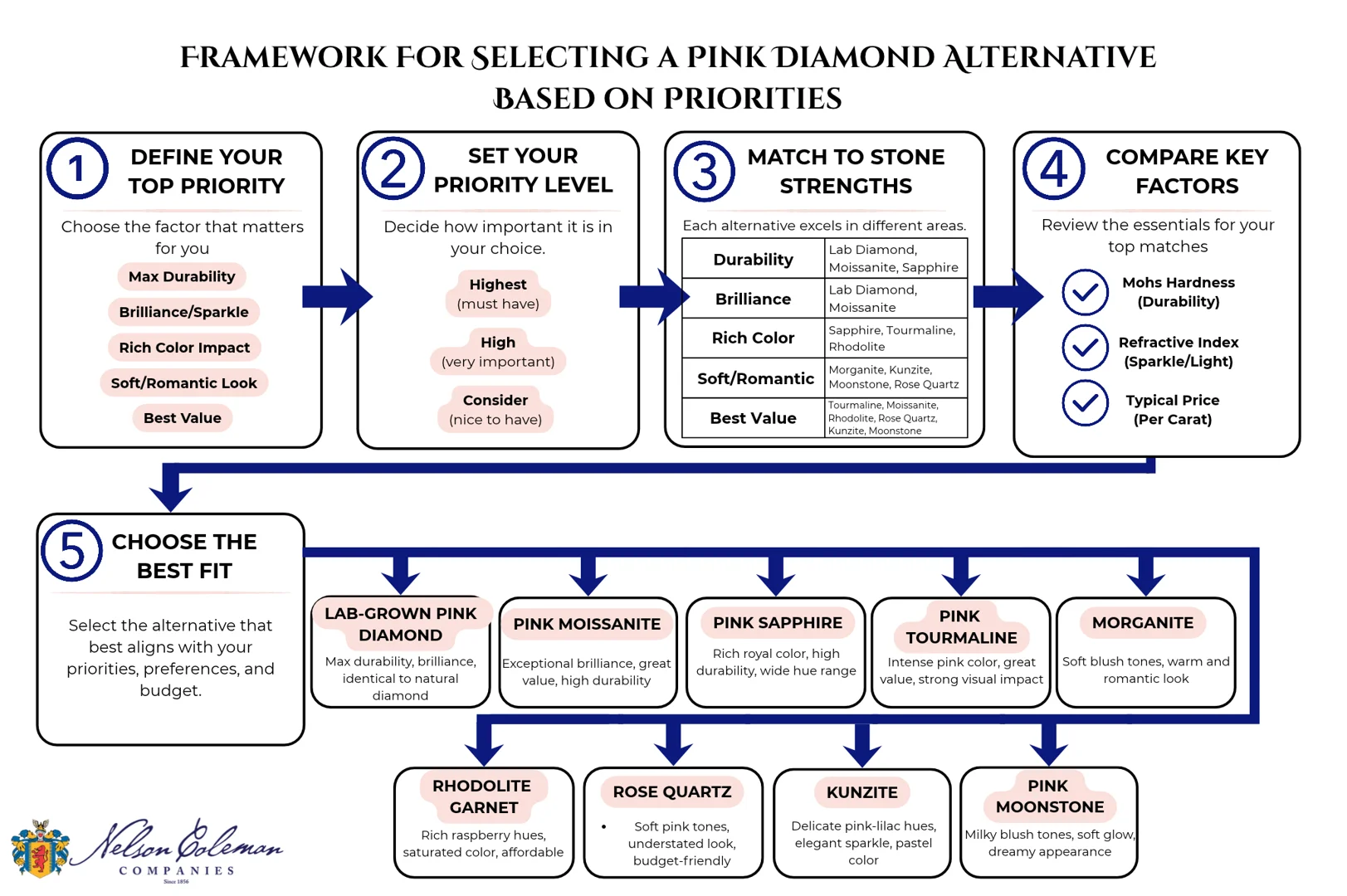
If you are searching for a pink diamond alternative, the best options are lab-grown pink diamonds, pink moissanite, pink sapphire, morganite, and pink tourmaline. Lab-grown pink diamonds offer identical chemistry and durability to mined stones, while pink moissanite and pink sapphire provide exceptional hardness and brilliance. Morganite and pink tourmaline deliver soft blush or vivid magenta hues at a fraction of the cost.
For centuries, natural pink diamonds have captured the imagination of collectors, royalty, and hopeless romantics. Yet, obtaining one today is nearly impossible for the average shopper. Natural fancy-color pink diamonds owe their mesmerizing hue to intense geological pressure that causes a rare plastic deformation within their crystal lattice during formation. Because this structural phenomenon occurs so infrequently, fine natural pink diamonds routinely sell for $10,000 to well over $100,000 per carat.
The Argyle diamond mine in Western Australia, which supplied more than 90% of the world's rare pink and red diamonds, ceased production on November 3, 2020. With mining ended, the supply of newly mined Argyle pink diamonds is finite, and remaining stones are available through existing inventories and the secondary market. This adds to the rarity of natural pink diamonds, particularly those with documented Argyle provenance.
Fortunately, a range of lab-grown diamonds and colored gemstones offer appealing alternatives at different price points. These options let shoppers prioritize the color, size, and design they want while considering the sourcing and production practices behind each stone.
When comparing these options, two useful measurements are the Mohs hardness scale, which ranks a material's resistance to scratching, and refractive index, which measures how much light bends as it enters a gemstone. However, hardness is only one factor in durability. Toughness, which describes a gemstone's resistance to chipping, cracking, and breaking, also matters, as does its tendency to split along cleavage planes. Price is another important consideration, but the ranges below are approximate examples rather than fixed market rates. Actual prices vary with color, clarity, cut, size, origin, treatments, and whether a stone is natural or laboratory-grown.
| Gemstone Option | Mohs Hardness | Refractive Index | Typical Price Per Carat | Primary Optical & Visual Appeal |
|---|---|---|---|---|
| CLOSER ALTERNATIVES TO PINK DIAMOND | ||||
| Natural Pink Diamond | 10 | 2.42 | $10,000 – $100,000+ | Classical diamond brilliance, intense rarity |
| Lab-Grown Pink Diamond | 10 | 2.42 | $1,000 – $3,000 | Identical sparkle, durability, and chemistry |
| Pink Moissanite | 9.25 | 2.65 – 2.69 | $100 – $400 | Exceptional rainbow fire and high brilliance |
| Pink Sapphire | 9.0 | 1.76 – 1.77 | $400 – $2,500 | Rich royal glow, deep pastel-to-magenta hues |
| Morganite | 7.5 – 8.0 | 1.57 – 1.60 | $100 – $500 | Soft peachy-blush tone, warm romantic vibe |
| Pink Tourmaline | 7.0 – 7.5 | 1.62 – 1.64 | $50 – $600 | Intense magenta saturation, great visual impact |
| Rhodolite Garnet | 7.0 - 7.5 | 1.74 - 1.76 | $50 - $300 | Rich raspberry-pink to purplish-red hues, with bright vitreous luster |
| OTHER PINK GEMSTONES TO CONSIDER | ||||
| Kunzite | 6.5 - 7.0 | 1.66 - 1.68 | $20 - $200* | Transparent pastel pink to lilac hues, with bright faceted sparkle |
| Pink Moonstone | 6.0 - 6.5 | 1.52 -1.53 | Varies: generally affordable | Milky pink color with a soft, floating sheen or adularescence |
| Rose Quartz | 7.0 | 1.54 - 1.55 | Varies widely; generally inexpensive | Soft, milky pink color with a translucent, cloudy appearance |
Top Pink Diamond Alternative Options Ranked by Beauty and Durability
Every pink gemstone brings distinct optical performance, mineral composition, and personality to a ring setting. Below is how the top substitutes compare in hardness, sparkle, and everyday wearability.
Lab-Grown Diamonds: The Chemically Identical Pink Diamond Alternative
If you desire the exact physical, chemical, and optical qualities of a natural diamond, a lab-grown loose pink diamond created through Chemical Vapor Deposition (CVD) or High Pressure High Temperature (HPHT) is the premier solution. These stones are 100% pure carbon diamonds with a crystal lattice structured identically to mined gems.
Pink lab-grown diamonds can be produced through different growth and treatment processes. Many receive their pink color through post-growth treatments involving irradiation and controlled heating, which alter the diamond's crystal structure and how it absorbs light. Some CVD-grown diamonds can also develop pink hues through other processes. Because the method used to create a diamond's color can vary, buyers should review any available grading report for information about its color and treatment history.
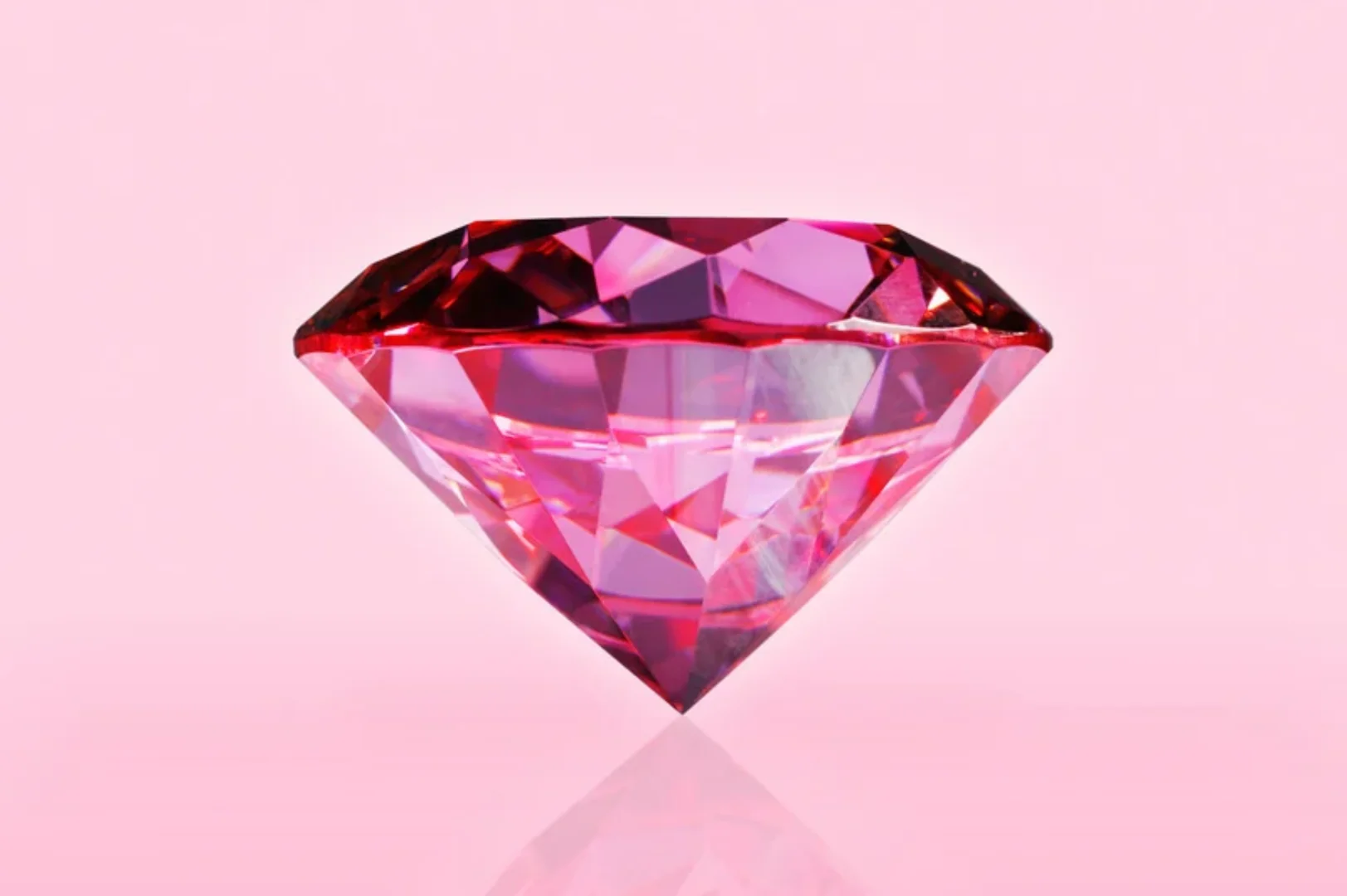
Lab-grown diamonds are typically 60% to 90% less expensive than natural diamonds, running roughly $1,000 to $3,000 per carat for fancy colored varieties. You can choose from modern cuts, such as an octagonal cut lab-grown pink diamond or a pink pear cut lab-grown diamond, achieving exceptional clarity and intense color saturation at an accessible price point. You can also explore our broader collection of loose lab-grown diamonds to discover how laboratory advancements have revolutionized modern bridal jewelry.
Learn more about lab-grown diamonds and their properties in our blog For the Love of Lab Grown.
Pink Moissanite: The Fire-Filled Pink Diamond Alternative
Moissanite is composed of silicon carbide and was first identified in a meteorite crater by chemist Henri Moissan. Natural moissanite is extremely rare, so most jewelry-grade moissanite is lab-grown. Pink-colored moissanite is also available, but buyers should check how the color is produced, since some pink examples have a surface coating rather than color throughout the stone.
Moissanite is renowned for its remarkable optical properties. With a refractive index of 2.65 to 2.69 and more than twice the dispersion of diamond, it produces intense brilliance and distinctive rainbow-colored flashes known as fire. These optical characteristics give pink moissanite a distinctive sparkle that differs from a diamond's appearance.
When evaluating a pink moissanite vs pink diamond, durability is a major asset. Scoring 9.25 on the Mohs scale, moissanite easily withstands daily abrasions. Pink moissanite ranges from subtle blush tones to more saturated shades, depending on the product. Its strong brilliance and colorful flashes give it a distinct appearance, so compare stones in person or through clear product images before choosing one for your ring.
Get an in-depth look at the differences between diamonds and moissanite in our expert blog Are Diamonds and Moissanite the Same?
Pink Sapphire: Royal Elegance and Exceptional Toughness
Part of the illustrious corundum mineral family (the same family as rubies), pink sapphires are one of the most prestigious colored gemstones in fine jewelry. Scoring a 9 on the Mohs scale, sapphires offer outstanding toughness, lack cleavage planes, and resist chipping, making them well-suited for everyday engagement rings.
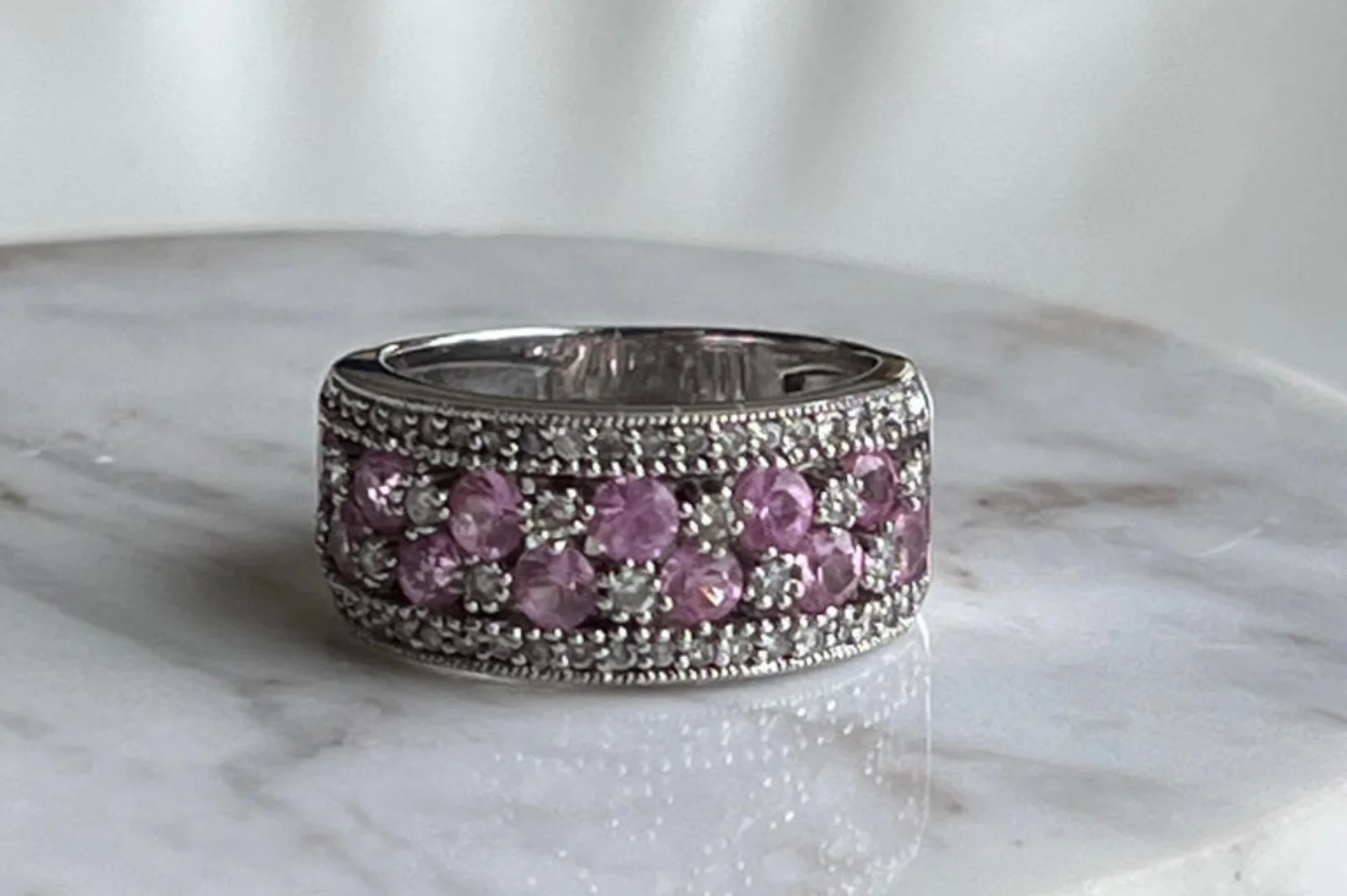
Pink sapphires occur in a broad spectrum of colors, ranging from pale pink to vibrant fuchsia. Their bright brilliance and rich color saturation offer a different look from moissanite's pronounced rainbow flashes. For shoppers seeking a colorful gemstone with excellent durability, a natural or laboratory-grown pink sapphire can be an excellent choice for an engagement ring.
Morganite: Delicate Blush Hues for Modern Romance
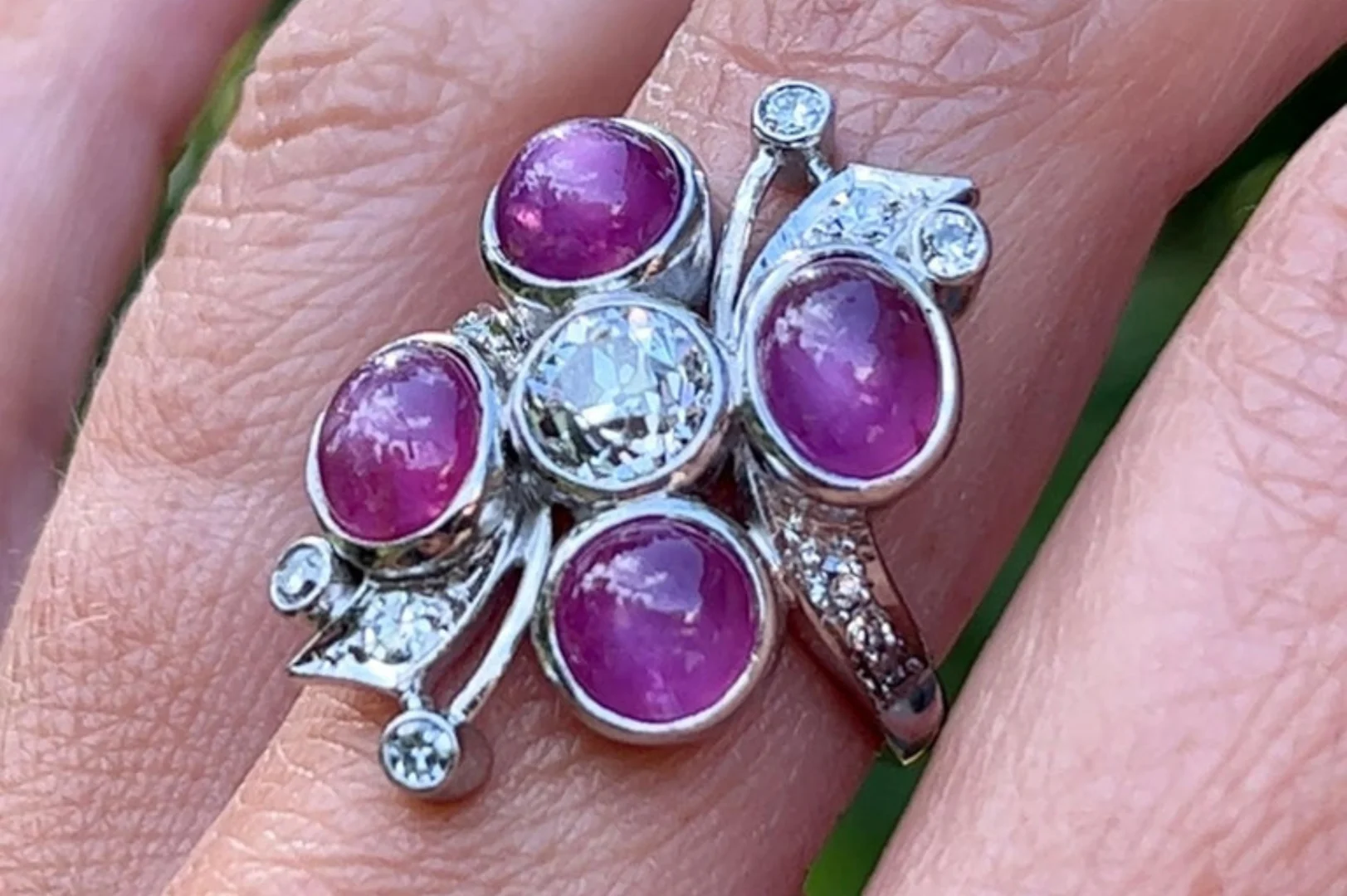
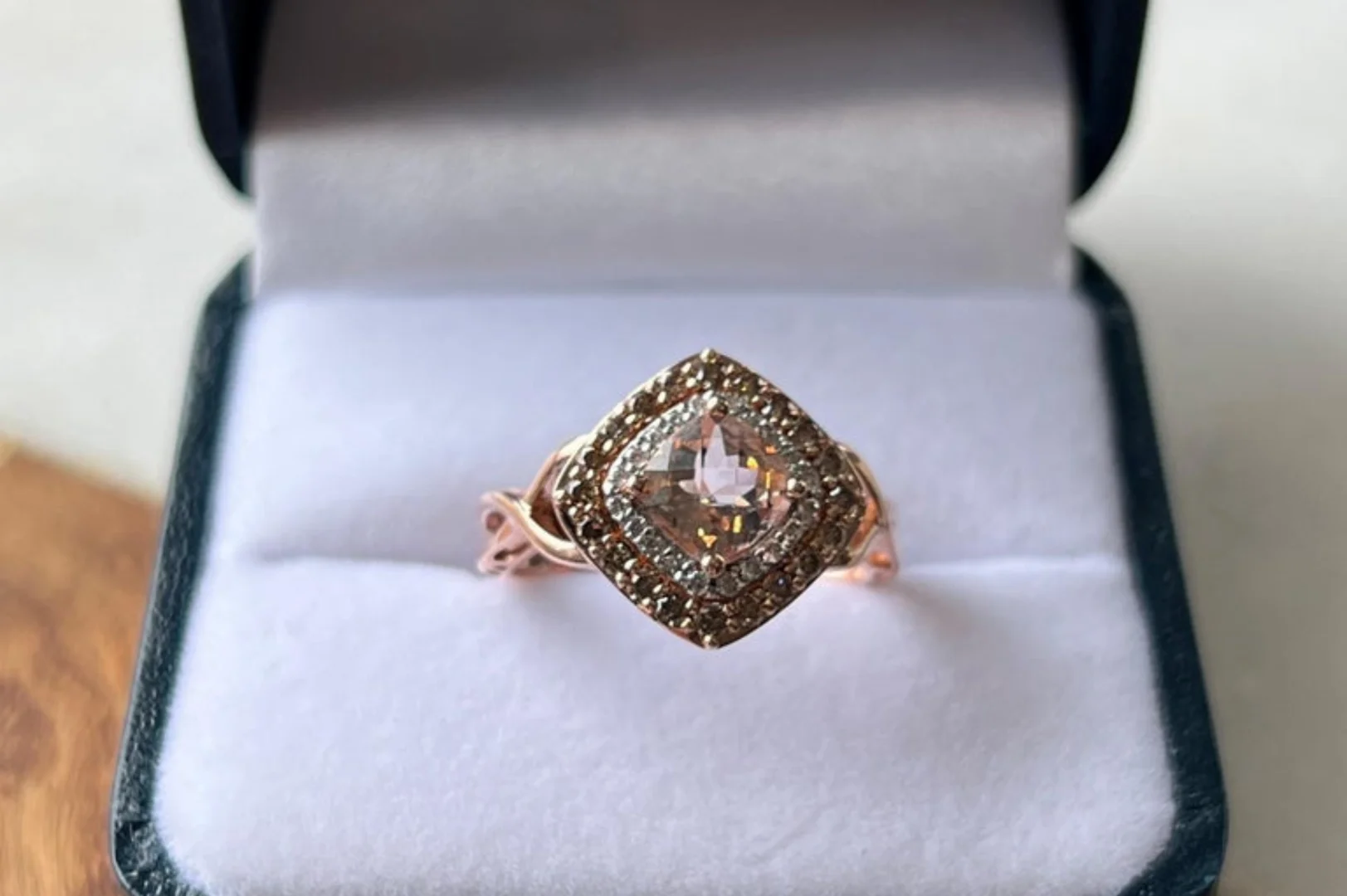
A member of the beryl mineral species (alongside emerald and aquamarine), morganite has become a beloved bridal favorite thanks to its soft, peachy-pink and blush-rose coloring. Named after financier and gem enthusiast J.P. Morgan, this stone provides a warm, vintage aesthetic.
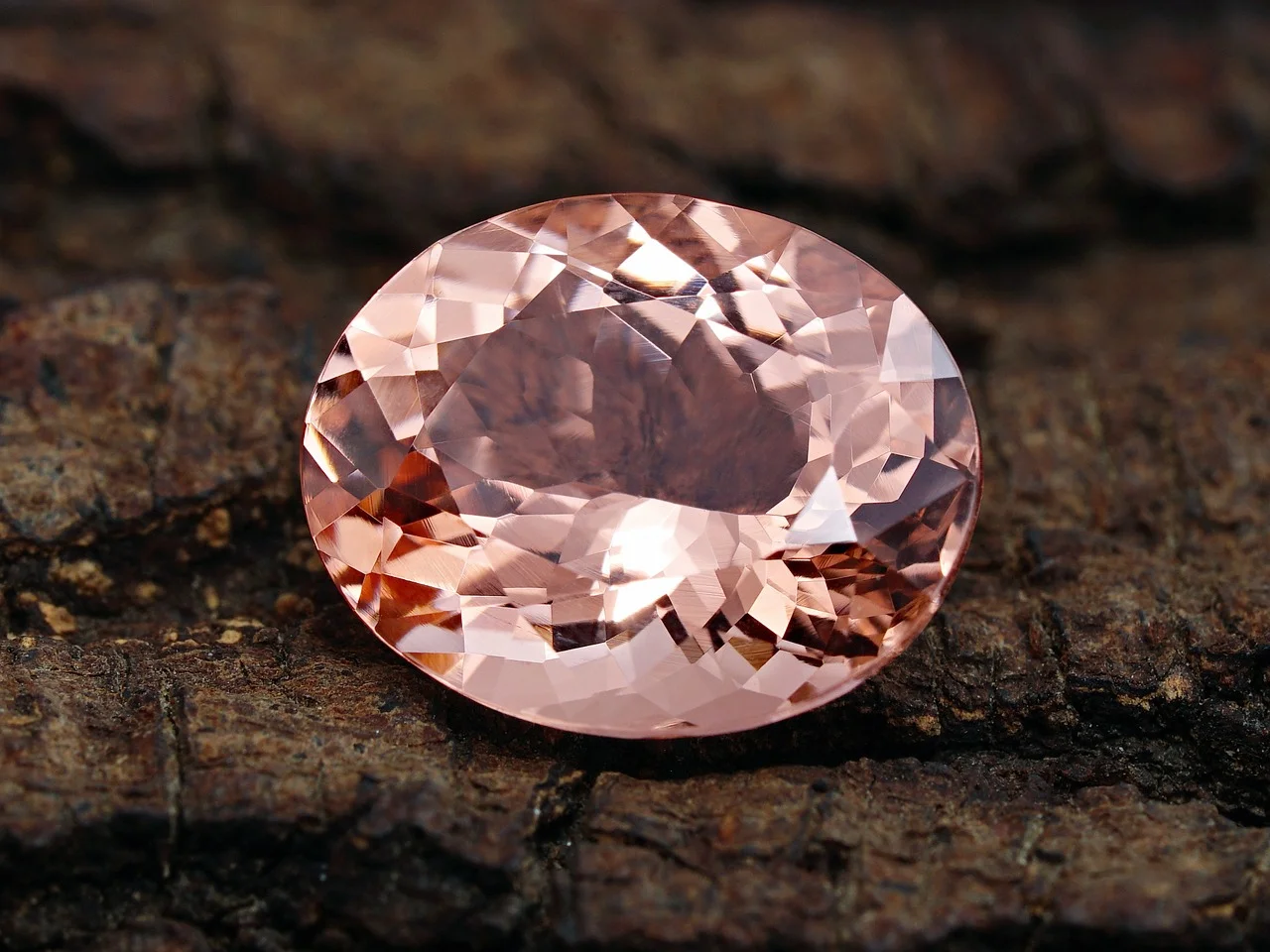
Morganite features distinct pleochroism—meaning it displays subtly shifting tones of pale pink and warm peach when viewed from different angles. It scores between 7.5 and 8 on the Mohs hardness scale. While durable enough for daily jewelry, morganite requires thoughtful setting protection (such as bezels or halos) and regular gentle cleanings, as dust and skin oils can temporarily dull its soft transparency.
Pink Tourmaline: Vivid Saturation on a Sensible Budget
For individuals who favor bold, vibrant color saturation over subtle pastels, pink tourmaline is an outstanding natural gem. Tourmaline delivers intense magenta and bubblegum-pink hues that are rarely found in diamonds without paying six-figure sums.
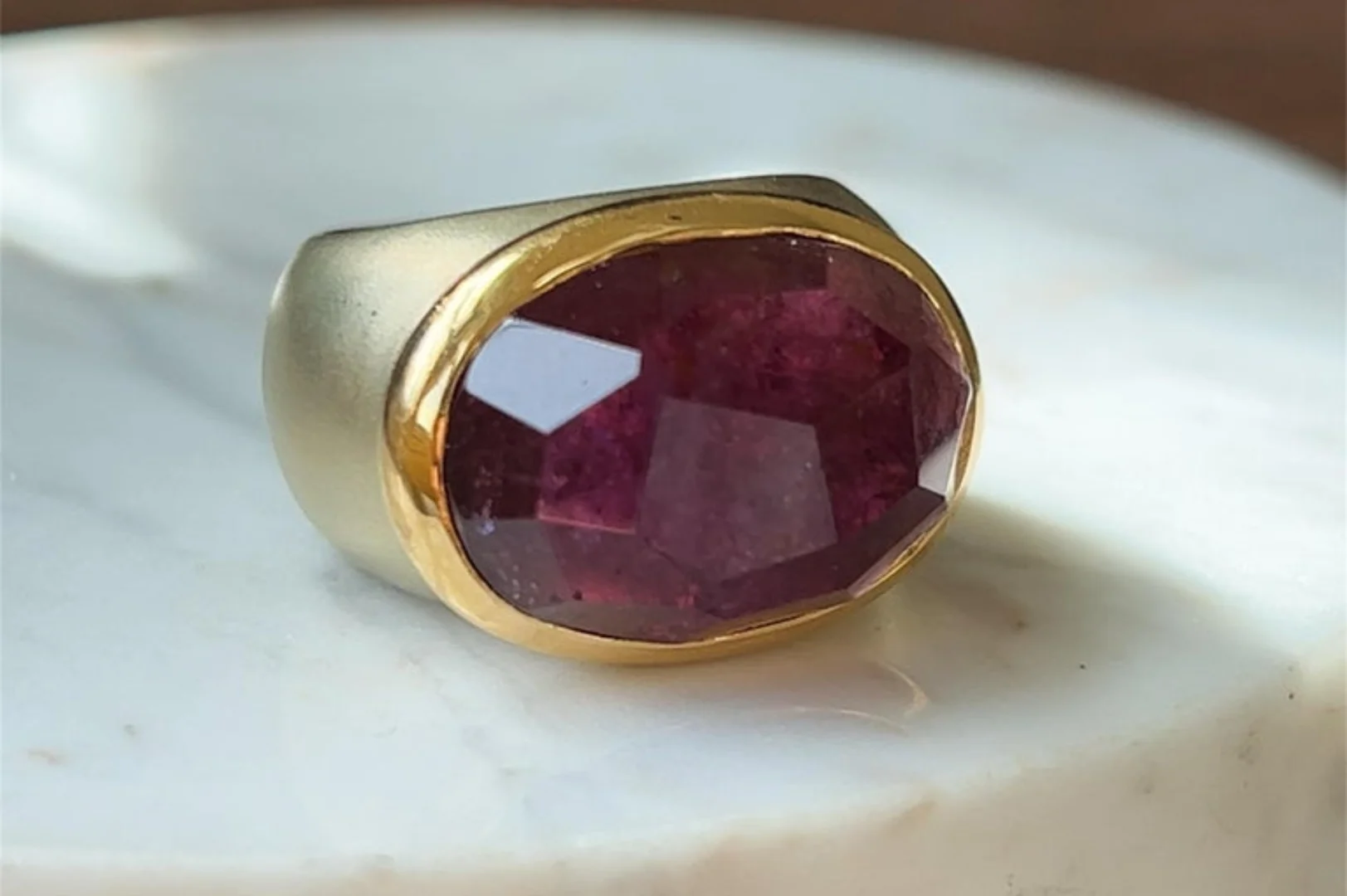
Pricing for fine pink tourmaline typically spans $50 to $600 per carat, allowing you to maximize center-stone size or design custom cocktail-style rings. With a Mohs hardness rating of 7 to 7.5, tourmaline is relatively durable, though it benefits from protective prong placements or bezel settings to keep the facets safe during active routines.
Rhodolite Garnet: Raspberry-Pink Color at an Accessible Price
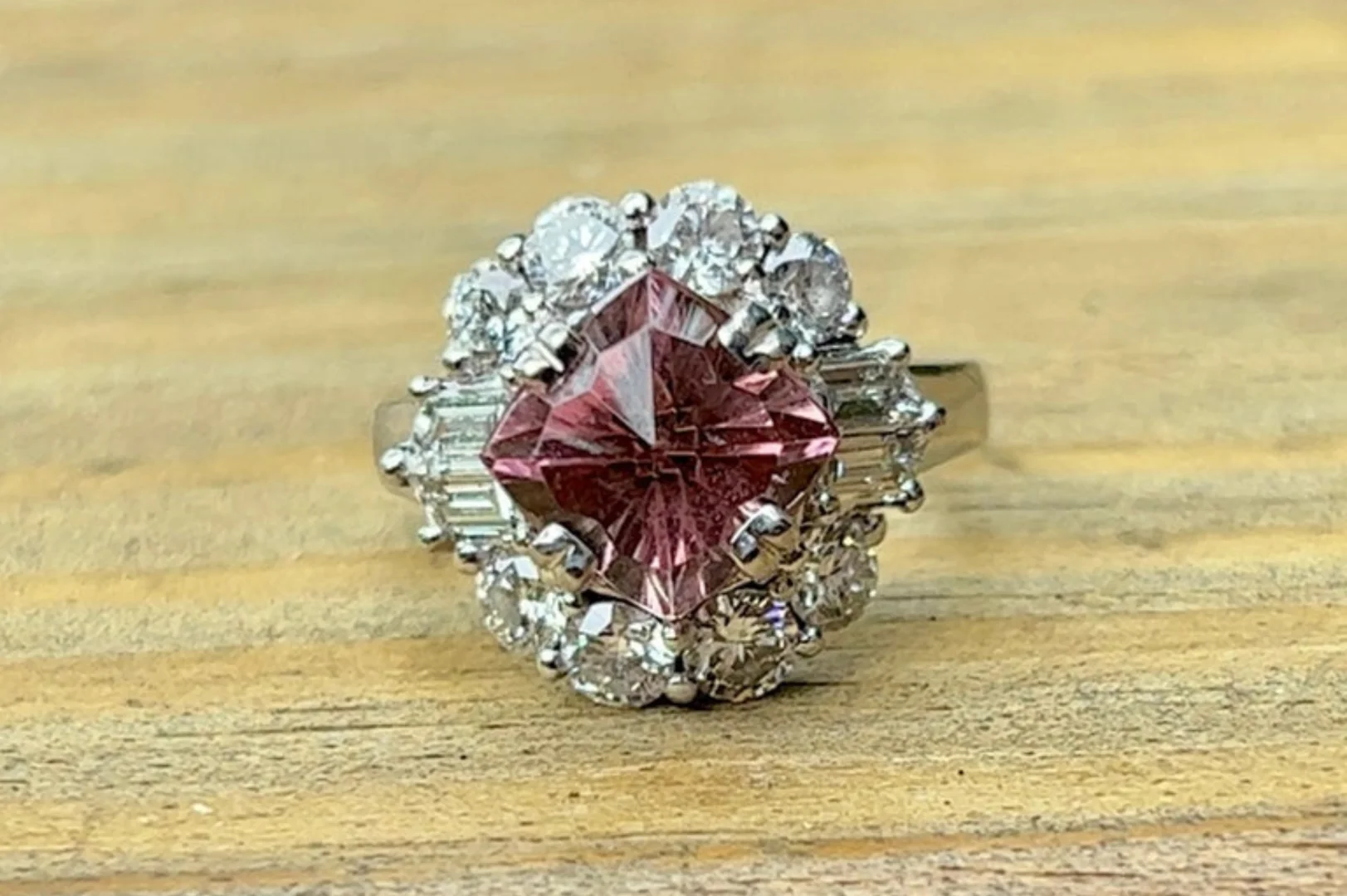
Rhodolite garnet is a variety of garnet known for its rich raspberry-pink to purplish-red hues. Its deeper color offers an alternative to the pale blush tones of morganite and the brighter pinks of tourmaline, making it a good choice for those who prefer a more saturated, jewel-toned look.
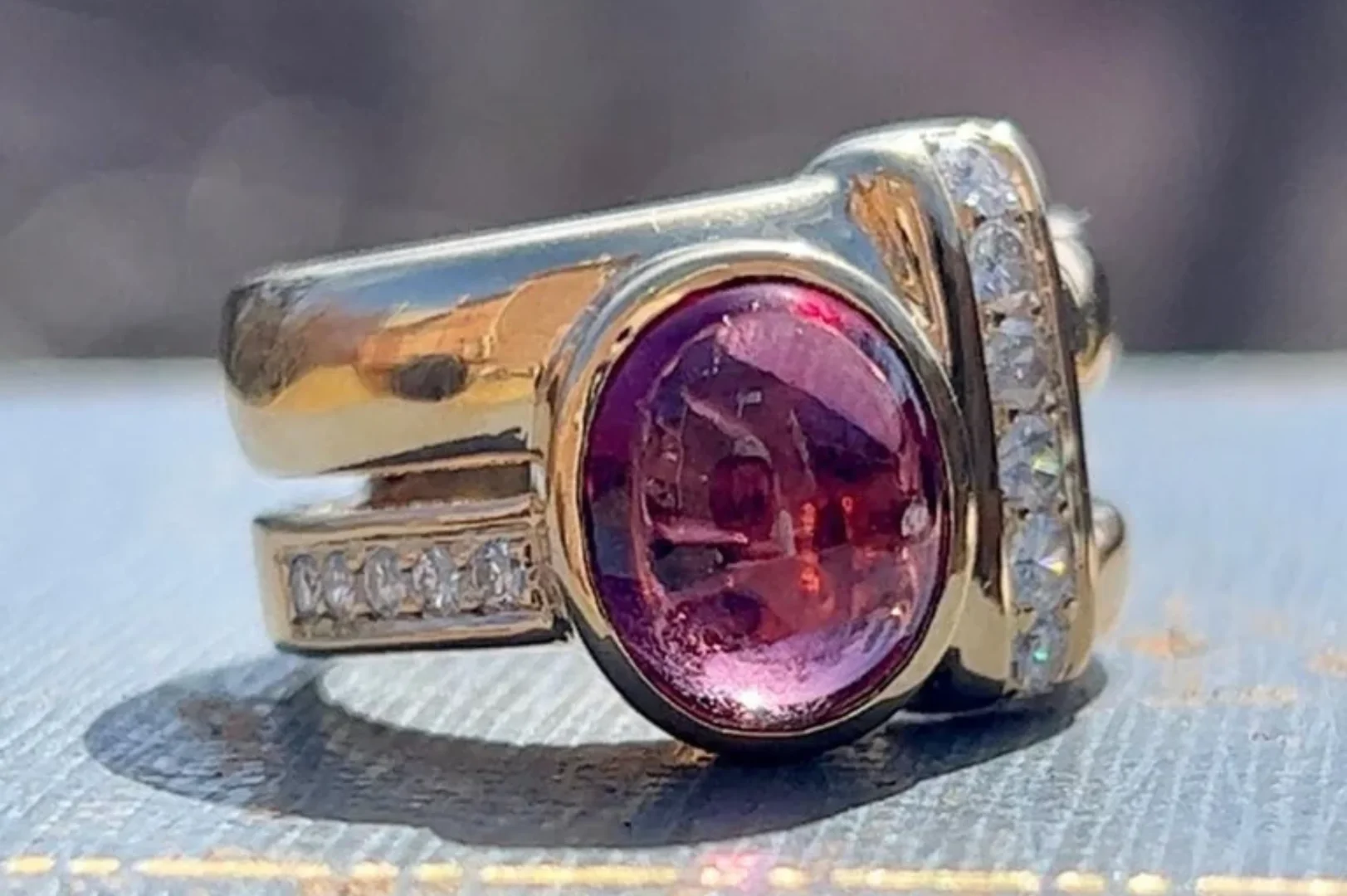
With a Mohs hardness of around 7 to 7.5, rhodolite garnet is suitable for many types of jewelry, including rings, although protective settings and reasonable care are recommended for everyday wear. While its appearance differs from a pink diamond's characteristic brilliance, rhodolite garnet offers distinctive color for shoppers who want a pink gemstone without the price of a rare natural pink diamond.
Kunzite: Delicate Pink with a Lilac Glow
Kunzite is a transparent pink to lilac gemstone prized for its delicate color and bright, faceted appearance. Its soft pastel hues offer a different look from the vivid pinks of tourmaline or the rich raspberry tones of rhodolite garnet, making it an option for those who prefer understated color.
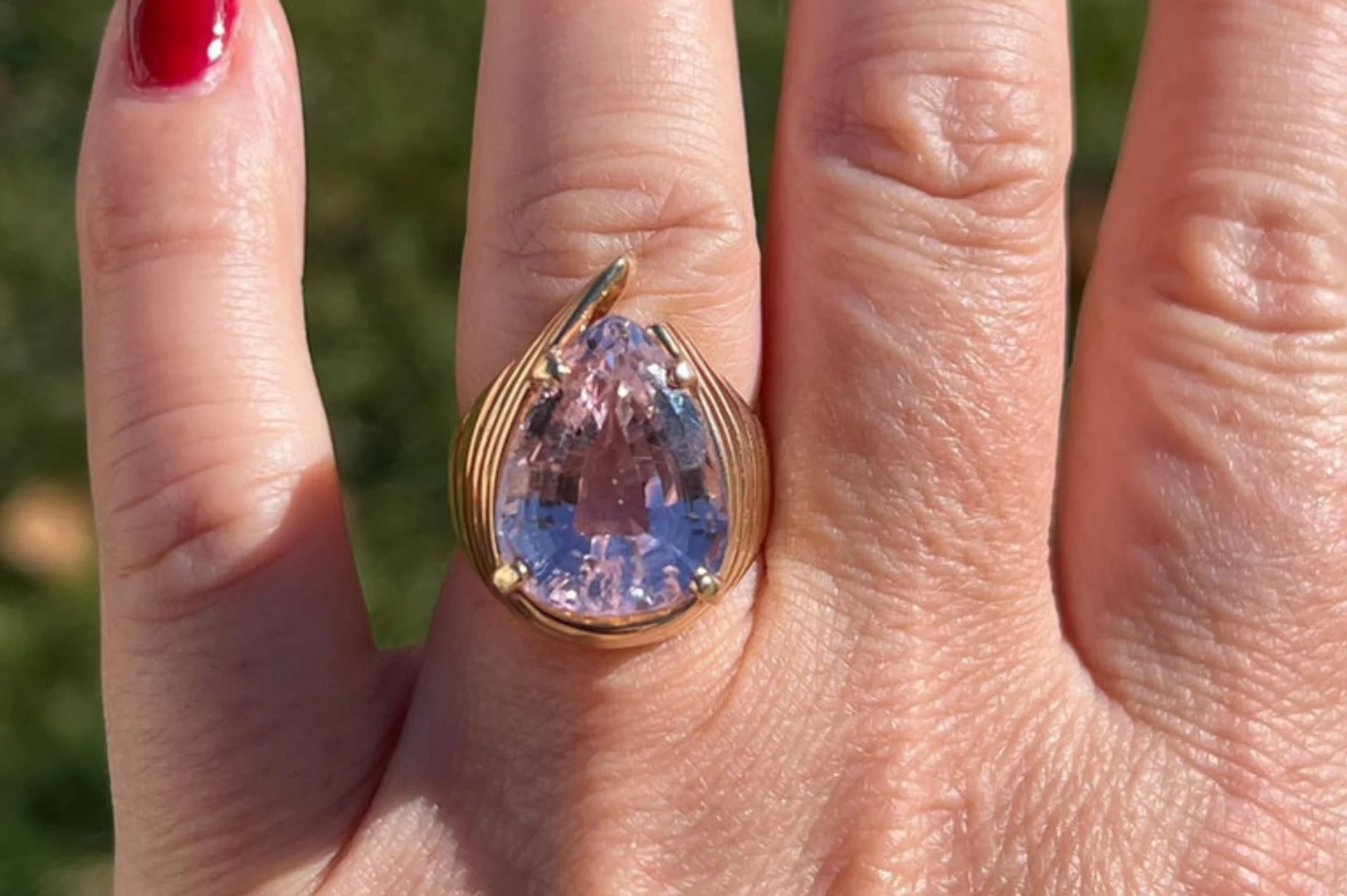
With a Mohs hardness of 6.5 to 7 and distinct cleavage, kunzite is more vulnerable to damage than harder gemstones such as pink sapphire. Its color can also fade with prolonged exposure to strong light. Although it can be used in rings, kunzite is best suited to jewelry worn with care rather than a ring intended for constant daily wear.
Pink Moonstone: A Soft Glow in Blush Tones
Pink moonstone offers a gentle, milky pink appearance, sometimes accompanied by a soft, floating glow known as adularescence. Unlike the sharp brilliance of a pink diamond, its appeal comes from its subtle sheen and dreamy color, making it an option for those who prefer understated, unconventional jewelry.
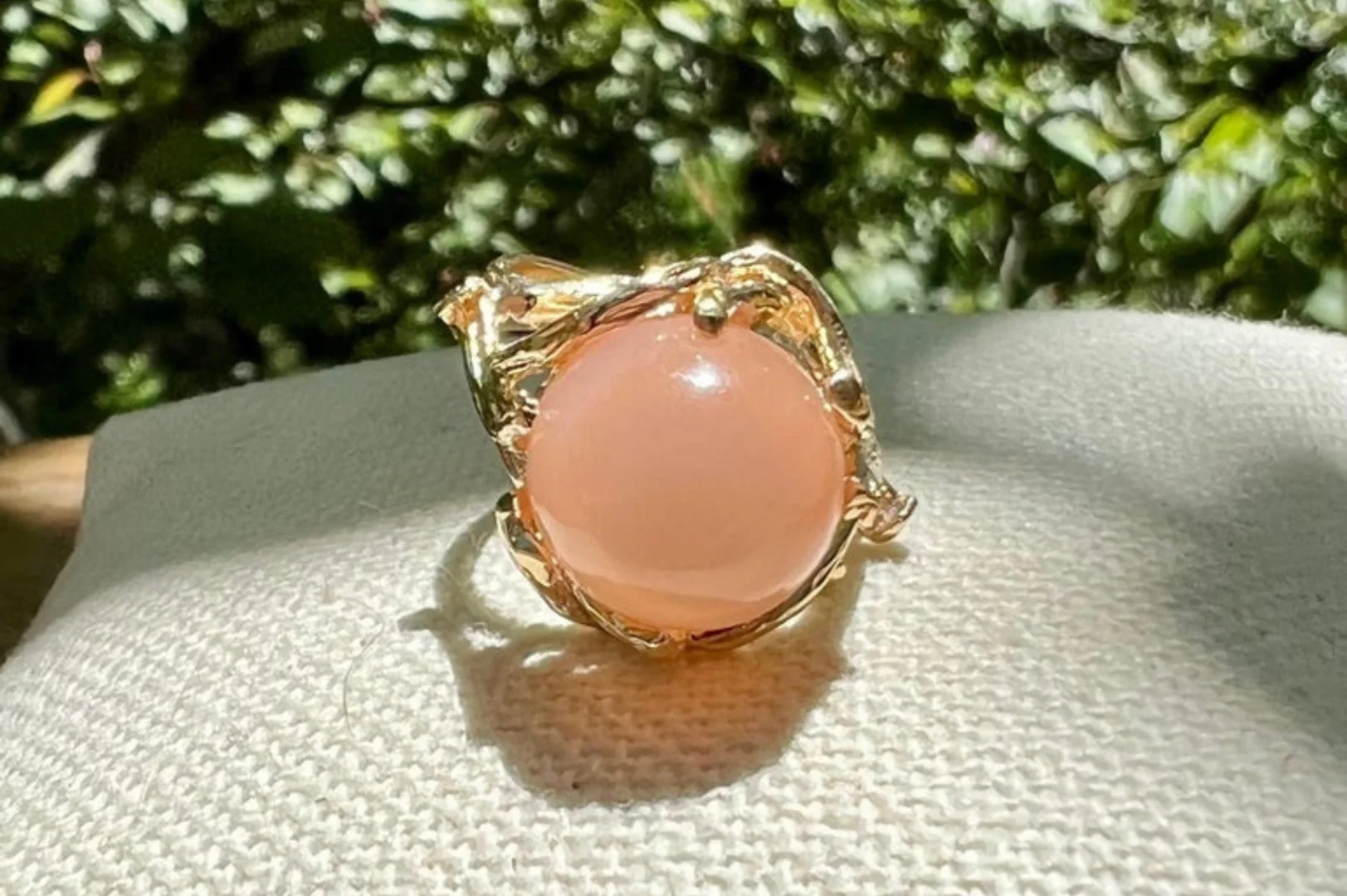
With a Mohs hardness of around 6 to 6.5, moonstone is more vulnerable to scratches and chipping than pink sapphire or moissanite. It can be used in rings, but a protective setting and careful wear are important, particularly for jewelry worn frequently.
Rose Quartz: A Soft Pink Option for Alternative Jewelry
Rose quartz offers a softer, more understated take on pink gemstone jewelry. Its milky, translucent appearance differs considerably from the brilliance and sparkle of a pink diamond, making it less suitable for shoppers seeking a close visual substitute. However, its gentle pink color and affordability may appeal to those exploring unconventional rings or more casual jewelry designs.
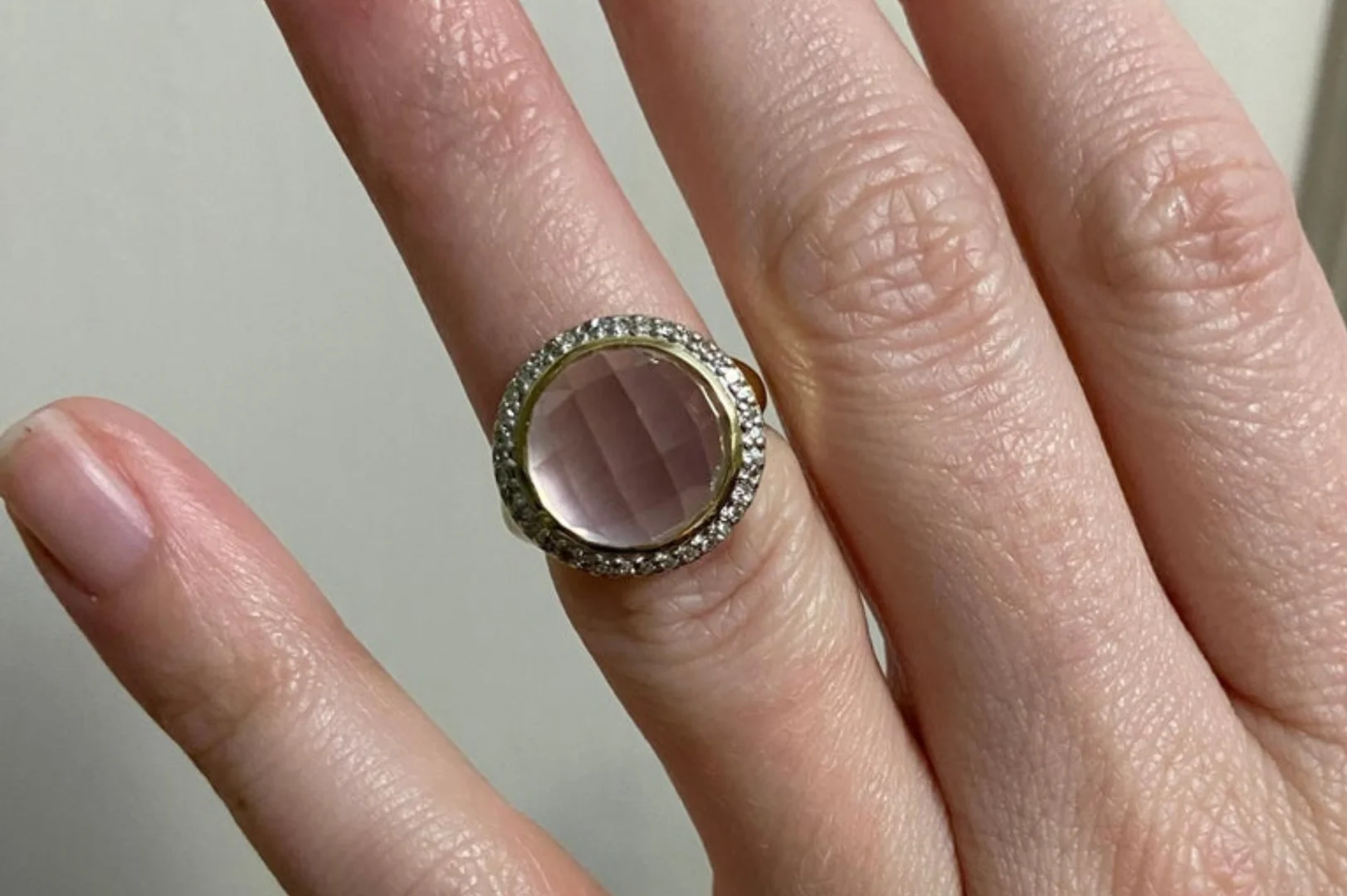
With a Mohs hardness of 7, rose quartz can be used in rings, but it benefits from protective settings and careful wear to minimize scratches and damage. It's worth considering if color matters more to you than diamond-like brilliance.
Designing and Caring for Your Pink Gemstone Ring
Selecting the Right Setting and Metal
The setting and precious metal you choose play a crucial role in highlighting the beauty of your pink stone while safeguarding its edges:
- Metal Pairings: Setting a soft blush morganite or faint pink diamond in 14k or 18k rose gold enhances its warm undertones, creating a seamless, monochromatic look. Conversely, mounting a vivid pink sapphire or vibrant tourmaline in platinum or white gold creates a striking contrast that makes the pink pop. More broadly, the metal you choose can significantly influence the ring’s overall look, from warm and romantic to cool and contemporary.
- Protective Settings: For gemstones scoring between 7 and 8 on the Mohs scale (such as morganite and tourmaline), consider a full bezel, semi-bezel, or halo setting. These designs shield the girdle of the stone from accidental bumps against hard surfaces. Check out our blog on engagement ring settings to get inspiration for your pink gemstone setting.
- Complementary Bands: Pair your center stone with an accent band, such as a matching diamond wedding band, to add traditional sparkle without distracting from your pink centerpiece.
Long-Term Gemstone Care and Cleaning
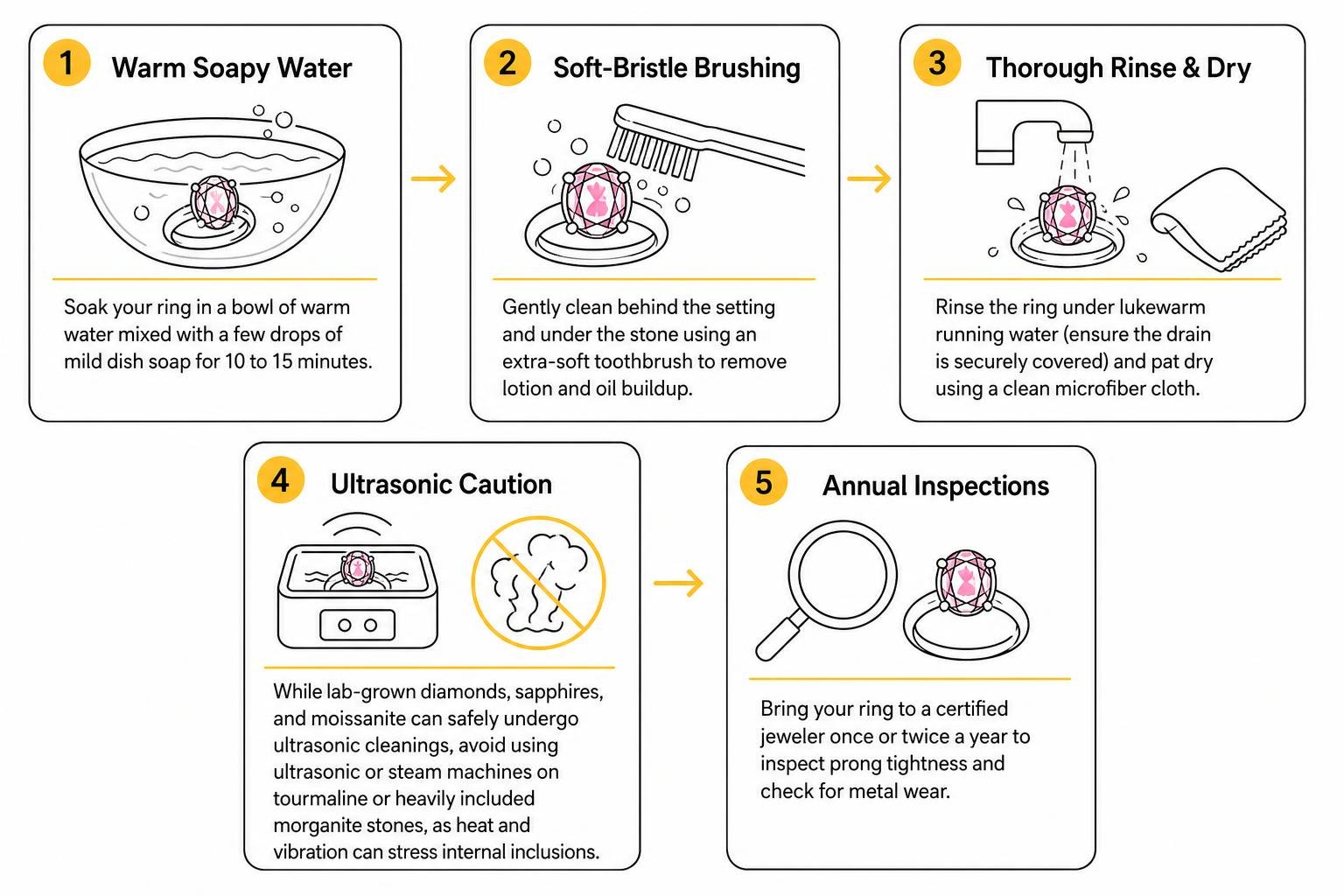
- Warm Soapy Water: Soak your ring in a bowl of warm water mixed with a few drops of mild dish soap for 10 to 15 minutes.
- Soft-Bristle Brushing: Gently clean behind the setting and under the stone using an extra-soft toothbrush to remove lotion and oil buildup.
- Thorough Rinse & Dry: Rinse the ring under lukewarm running water (ensure the drain is securely covered) and pat dry using a clean microfiber cloth.
- Ultrasonic Caution: Avoid ultrasonic and steam cleaners for kunzite and moonstone, which can be vulnerable to damage. Tourmaline, morganite, and other gemstones may also require special care depending on their inclusions, treatments, and condition. When in doubt, use warm water, mild dish soap, and a soft brush, or ask a jeweler to recommend a safe cleaning method.
- Annual Inspections: Bring your ring to a qualified jeweler once or twice a year to inspect prong tightness and check for metal wear.
For more information on jewelry care, check out our blog How to Clean and Care for Gemstone Jewelry: A Complete Guide.
Frequently Asked Questions About Pink Gemstones
What is the most durable pink diamond substitute for daily wear?
The most durable alternative is a lab-grown pink diamond, which rates a perfect 10 on the Mohs hardness scale. Following closely behind are pink moissanite (9.25 Mohs) and pink sapphire (9 Mohs). All three choices resist scratches and are well-suited for lifelong, everyday wear in an engagement ring.
How does the cost of pink moissanite compare to a pink sapphire?
Pink moissanite is generally much more affordable, averaging between $100 and $400 per carat, because it is synthesized in controlled lab environments with high production efficiency. Natural pink sapphires, depending on clarity, origin, and color saturation, typically range from $400 to over $2,500 per carat, making moissanite the more budget-friendly selection for larger center stones.
Are lab-created pink diamonds considered real diamonds?
Yes. Lab-created diamonds have essentially the same chemical composition, crystal structure, and fundamental physical properties as natural diamonds. Both are made of crystalline carbon, although their growth histories and certain characteristics can differ. A grading report can help confirm whether a diamond is laboratory-grown and document any disclosed color treatment.
Conclusion
Finding the perfect ring should be an inspiring, joyful journey. Whether you’re drawn to the vivid color of pink sapphire, the soft warmth of morganite, the brilliance of pink moissanite, or a laboratory-grown pink diamond, there are options to suit a range of styles and budgets.
At Nelson Coleman Jewelers, we bring generations of family-owned jewelry expertise to custom design and gemstone consultations. If you have a particular pink gemstone in mind, our team can help you explore options for creating a custom piece around your preferred stone, setting, and budget. Through our signature community-focused giving initiative, up to 10% of your qualifying purchase can also be directed to a charitable organization of your choice.


