The idea of designing your own engagement ring may sound perfect, but knowing where to begin can feel overwhelming. From choosing a diamond or gemstone to selecting the metal, setting, and design details, there are many variables to consider before your vision becomes a finished ring. In this guide, we'll walk you through how to create a custom engagement ring, the key decisions you'll need to make, what to expect from the custom design process, and how to evaluate a jeweler before trusting them with such an important piece.
If you're considering a custom engagement ring, working with an experienced jeweler can give you the opportunity to discuss your ideas, compare materials and design options, and receive guidance throughout the process. Whether you already have a detailed vision or are starting with only a few ideas, the right jeweler can help you understand your options and determine which approach best fits your style, lifestyle, and budget. Nelson Coleman Jewelers helps clients turn personal ideas and inspiration into custom engagement rings designed specifically for them.
What Does It Mean to Create a Custom Engagement Ring?
A custom engagement ring can take many forms. For some people, creating a custom ring means designing a completely original piece from the ground up. For others, it may mean modifying an existing style, choosing a different center stone, changing the metal, combining elements from multiple designs, or adding a personal detail such as an engraving.
Custom design can also be a practical choice when you have a specific idea that is difficult to find in a ready-made ring. You may want to create a setting for an heirloom gemstone, design a ring around a particular diamond shape, or combine features from several styles you love. In each case, the goal is to create an engagement ring that reflects your preferences rather than limiting your choices to what is already available.
Before beginning the design process, think about what you want to customize. Some people begin with a specific center stone, while others start with a style, a meaningful detail, or a collection of inspiration images. Understanding what matters most to you will make it easier to make design decisions as you move through the process.
Bonus Reading: Custom Jewelry Design: 5 Myths Debunked
Decide What You Want Your Custom Engagement Ring to Look Like
Before choosing a diamond shape, gemstone, metal, or setting, it can help to think about the overall look you want your engagement ring to have. You may already be drawn to a particular style, such as classic, vintage-inspired, modern, minimalist, or nature-inspired designs. You may also find that your preferences overlap several styles, which is one of the advantages of creating a custom engagement ring.
Start by collecting examples of rings, jewelry, colors, and design details that appeal to you. Inspiration can come from many places, including jewelry stores, museums, architecture, nature, family heirlooms, and online images. As you gather ideas, look for the elements that appear repeatedly. You may discover that you consistently prefer a particular diamond shape, metal color, setting style, or type of detail.
It can also help to consider how you plan to wear the ring. Someone with an active lifestyle may prioritize a lower-profile setting or a design that protects the center stone, while someone drawn to a more dramatic look may prefer a larger center stone, more elaborate details, or a distinctive setting. Thinking about your lifestyle alongside your aesthetic preferences can help you create a ring that looks beautiful and feels practical to wear.
These decisions do not always happen in a fixed order. You may begin with a center stone, a particular setting, a metal color, or a design idea and then build the rest of the ring around it.
Check out our blog Antique Engagement Ring Settings: Historical Settings for Modern Love for vintage inspiration
Choose the Center Stone
The center stone will often be one of the most important decisions you make in a custom engagement ring. While diamonds remain a classic choice, you can also choose a colored diamond or gemstone to create a ring with a different look and personality. Your choice of center stone will influence the ring's overall appearance, design, durability, and potentially its budget.
Some people begin the custom design process with a stone they already own or have fallen in love with, while others choose the setting and design first. Either approach can work. The most important thing is to consider how the center stone's shape, color, size, durability, and budget fit into the overall design you want to create.
How to Choose a Diamond Shape
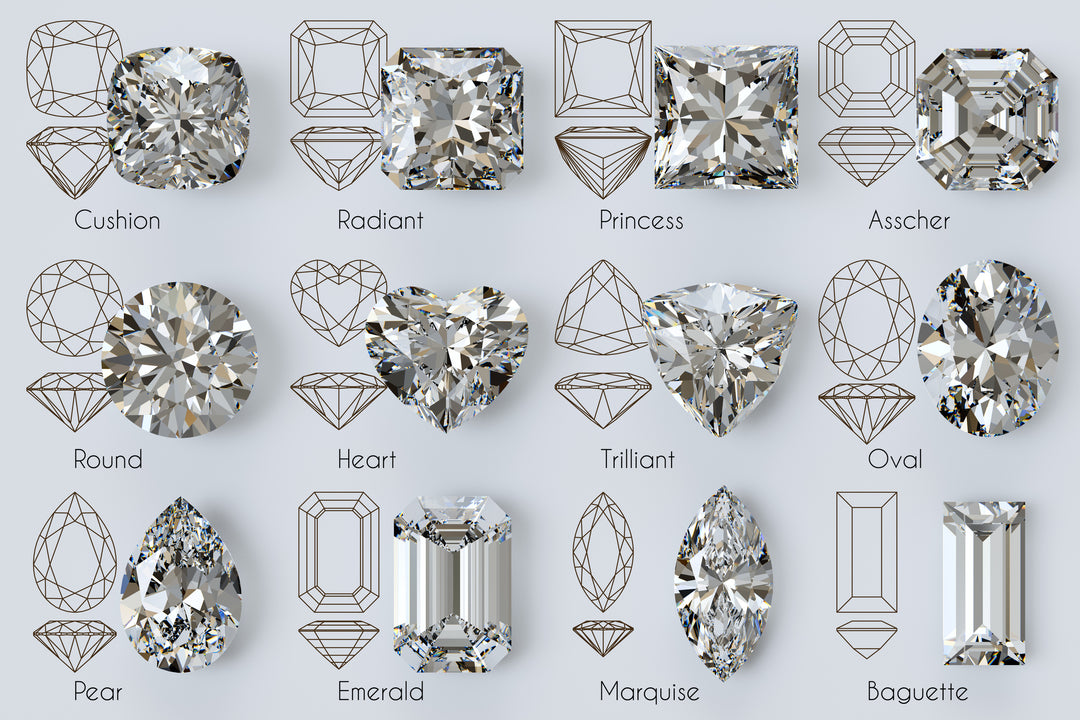
There is no single best diamond shape for a custom engagement ring. Each shape has its own appearance and characteristics, and the right choice will depend on your personal style, the look you want to create, and how the diamond will work with the rest of the ring design.
- Round: The most traditional and popular diamond shape, round diamonds are known for their classic appearance and strong brilliance. They can work well in a wide range of engagement ring styles, from simple solitaires to more elaborate designs.
- Princess: With its square shape and pointed corners, the princess cut offers a modern look while retaining a classic diamond appearance. It can be a good choice if you like the clean lines of a square shape.
- Oval: An oval diamond combines the brilliance of a round shape with an elongated silhouette. Its length can create the appearance of a larger stone and may also create a slimming effect on the finger. Because it has no pointed corners, it can be a practical choice for some active lifestyles, although the setting still plays an important role in protecting the stone.
- Pear: A pear-shaped diamond combines a rounded end with a pointed tip to create a distinctive, elongated silhouette. Its shape can make the center stone appear larger while adding an elegant and less traditional look to an engagement ring.
- Cushion: Cushion-cut diamonds have rounded corners and a softer, pillow-like shape. Depending on the faceting style, they can have either a more vintage-inspired appearance or a modern look with substantial brilliance. Cushion shapes can also be an appealing choice for certain colored diamonds and gemstones.
- Emerald: The elongated, step-cut facets of an emerald-cut diamond create a distinctive appearance with flashes of light rather than the intense sparkle associated with brilliant cuts. Its clean lines and vintage appeal make it a popular choice for a sophisticated, understated design.
- Asscher: The Asscher cut has a square or nearly square shape and step-cut faceting similar to an emerald cut. Its geometric appearance and concentric facets can create a distinctive Art Deco-inspired look.
- Marquise: The marquise shape has two pointed ends and a long, curved silhouette. Its elongated shape can make the center stone appear larger for its carat weight and can create a lengthening effect on the finger.
Elongated shapes can also be oriented in different ways within a custom design. For example, an oval, pear, or marquise diamond may be set vertically, horizontally, or at an angle, creating a very different overall appearance.
While the shapes above are among the most common options for engagement rings, other less traditional shapes are also available, including heart, hexagon, kite, shield, and portrait-cut diamonds. If you have a specific shape in mind or want something truly distinctive, talk with an experienced jeweler about how less common diamond shapes could work within your custom design.
No matter which shape you choose, the center stone will help establish the overall character of your custom engagement ring. You may want to begin with a shape you already love, or you may prefer to compare several options before deciding. A jeweler experienced in custom design can help you understand how different diamond shapes will work with your preferred setting, design, and budget.
Consider Diamond Size and the 4Cs
The largest diamond is not necessarily the best diamond for a custom engagement ring. While carat weight affects a diamond's size and price, it is only one of the 4Cs used to evaluate diamonds: carat, cut, clarity, and color. Each characteristic can affect a diamond's appearance and value, and your priorities may differ depending on your preferences, chosen diamond shape, design, and budget.
- Carat: Carat refers to a diamond's weight, which generally affects its size and price. However, two diamonds with the same carat weight can appear different in size depending on their shape and proportions.
- Cut: Cut refers to how well a diamond's proportions, facets, and finish interact with light. A well-cut diamond can have more noticeable brilliance and sparkle.
- Clarity: Clarity refers to internal characteristics, called inclusions, and external characteristics, called blemishes. The visibility of these characteristics can vary, and not every inclusion will be noticeable to the unaided eye.
The clarity grade is not the only consideration when evaluating a center stone for an engagement ring. The location and type of an inclusion can also be relevant to durability, particularly if a characteristic is near an edge or another vulnerable area of the stone. Your jeweler can help you evaluate the individual stone and determine whether the setting should provide additional protection.
- Color: For traditional white diamonds, color refers to how much body color a diamond has. Diamonds with less noticeable color are generally considered higher on the traditional color scale, although some people specifically prefer the warmth of a diamond with more visible color.
Your preferred diamond shape can also influence how large a stone appears. Elongated shapes such as oval, pear, emerald, and marquise diamonds may appear larger than round diamonds of the same carat weight because of their surface area. The setting and overall design of the ring can also affect the visual impact of the center stone.
For a more detailed look at carat, cut, clarity, and color, explore our Diamond Education guide. When creating a custom engagement ring, the goal is not necessarily to find the biggest or most expensive diamond. It is to choose a center stone that provides the combination of appearance, quality, and value that makes sense for your design and budget.
Consider a Colored Gemstone
Diamonds are a classic choice for an engagement ring, but they are not the only option for a center stone. A colored gemstone can add color and individuality to a custom engagement ring, whether you choose a vibrant gemstone as the center stone or use colored stones as accent details.
Because an engagement ring is typically worn frequently, durability is an important consideration when choosing a gemstone. Hardness affects a gemstone's resistance to scratching, while toughness describes its resistance to breaking or chipping. Some gemstones can also be affected by heat, chemicals, or treatments that alter their appearance or care requirements. The design of the ring and the way the gemstone is protected can also influence its suitability for everyday wear.
Some gemstones commonly considered for engagement rings include:
- Sapphire: Available in an exceptionally broad range of colors, sapphire is one of the most versatile colored gemstones for an engagement ring. Blue sapphire is the best-known variety, but sapphire can also be found in pink, yellow, orange, green, purple, violet, and other hues. With a Mohs hardness of 9 and good toughness, sapphire is generally well suited to frequent wear, making it an appealing choice for someone who wants both durability and extensive color options. Because sapphire treatments are common, ask about whether a stone has been treated and what care requirements may apply.
- Ruby: A red variety of corundum, ruby has a Mohs hardness of 9 and good toughness, making it a durable choice for an engagement ring intended for frequent wear. Its rich color makes it a distinctive option for someone who wants a bold alternative to a colorless diamond. Ruby is commonly treated to improve its color and clarity, so ask about any treatments when comparing stones and understand whether they affect the stone's care requirements.
- Moissanite: With a Mohs hardness of approximately 9.25, moissanite is a durable option known for its strong brilliance and fire. It can be found in colorless and near-colorless options as well as other hues.
- Spinel: Available in colors including red, pink, orange, purple, blue, and violet, spinel can be an appealing choice for someone looking for a less traditional gemstone with distinctive color options. It has a Mohs hardness of 8 and good toughness, making it durable enough for rings intended for frequent wear. Some spinel colors can be affected by high heat, so treatment history and care requirements should be discussed with a knowledgeable jeweler.
- Aquamarine: Known for its blue to greenish-blue color, aquamarine has a Mohs hardness of 7.5 to 8 and is generally durable enough for an engagement ring worn frequently. However, its relatively moderate hardness means it can be scratched more easily than sapphire or diamond, so a protective setting and reasonable care can help reduce the risk of damage. Aquamarine is commonly heat-treated, and this treatment is generally stable. However, if a particular stone has been fracture-filled or otherwise treated, ask about its specific care requirements before choosing it for an engagement ring.
- Tourmaline: Available in an especially broad range of colors, tourmaline typically has a Mohs hardness of 7 to 7.5. Its distinctive colors make it a popular choice for custom designs, although the specific variety and intended wear should be discussed with a jeweler.
These are not the only gemstones that can be used in an engagement ring. Emerald, morganite, garnet, and other gemstones can also create beautiful and distinctive designs, but they have different durability and care requirements. If you are considering a gemstone that is less commonly used for daily-wear jewelry, talk with an experienced jeweler about its suitability for your lifestyle and how the design can help protect the stone.
A colored gemstone is not limited to the center stone, either. Colored diamonds and gemstones can also be used as accent stones to add contrast, symbolism, or a subtle touch of color to an otherwise traditional engagement ring.
Choose the Setting
The setting is the part of the engagement ring that holds the center stone and accent gemstones in place, but it also plays an important role in the ring's overall appearance and functionality. The setting you choose can affect how prominently the center stone is displayed, how much protection it receives, how high the ring sits on your finger, and how the engagement ring will pair with a wedding band.
Some common engagement ring setting styles include:
- Prong setting: Small metal claws hold the center stone in place while leaving much of the stone exposed. Prong settings can allow light to enter the stone from multiple directions and create a classic, versatile look. The number, placement, and design of the prongs can vary depending on the stone and the overall design of the ring.
- Bezel setting: A rim of metal surrounds the edge of the center stone. This can provide additional protection for the stone's edges and create a sleek, modern, or vintage-inspired appearance.
- Halo setting: Smaller accent stones surround the center stone, adding additional sparkle and creating a more elaborate appearance. A halo can also change the visual proportions of the center stone and the overall ring.
- Three-stone setting: A center stone is paired with two side stones, creating a design with additional symbolism and visual presence. The side stones can match the center stone or introduce contrasting shapes, colors, or gemstones.
- Cluster setting: Multiple gemstones are arranged closely together to create the appearance of a larger or more elaborate design. Cluster settings can be adapted to create a variety of vintage-inspired or distinctive looks.
- Flush or low-profile setting: The stone sits closer to the surface of the ring, which can create a streamlined appearance and may be practical for people who prefer a lower-profile design.
These are some of the most common engagement ring setting styles, but they are not the only options available. Other possibilities include tension settings, channel settings, bar settings, pavé settings, bypass designs, and combinations of multiple setting styles. A jeweler experienced in custom design can help you explore additional options and determine how different settings may work with your chosen center stone, preferred style, lifestyle, and overall ring design.
The best setting will depend on the center stone you choose, your preferred style, your lifestyle, and how you plan to wear the ring. Some gemstones may benefit from a setting that provides additional protection, while certain diamond shapes may require specific considerations because of their pointed corners or unusual proportions. The number and design of prongs or other securing elements should also be appropriate for the individual stone and the overall ring design.
When choosing a setting, it is also worth considering how the stones will be secured and whether the finished ring will meet any requirements of your insurance policy. If you plan to insure the ring, ask your insurer whether it has specific requirements for jewelry settings or stone security, and discuss any concerns with your jeweler before the ring is made.
The proportions of the band also deserve consideration. A very thin band can create a delicate, minimalist appearance, while a wider or heavier band can provide a different visual balance and may be appropriate for certain designs or lifestyles. The band should be considered together with the size and weight of the center stone, the setting, and any wedding band you plan to wear alongside it.
The setting can also affect how the engagement ring pairs with a wedding band. If you want the two rings to sit closely together without a gap, the shape and height of the setting may need to be considered during the design process. This is one reason discussing your engagement ring and wedding band plans with a jeweler early can be helpful.

Choose the Metal for Your Custom Engagement Ring
The metal you choose will influence your engagement ring's color, appearance, durability, maintenance, and potentially its cost. Yellow gold, white gold, rose gold, platinum, palladium, and silver can each create a different look and offer different practical characteristics.
There is no universally best metal for an engagement ring. Your choice may depend on your preferred color, lifestyle, budget, skin sensitivities, and how you want the ring to look alongside other jewelry you wear.
Some common options include:
- Yellow gold: A classic choice with a warm, traditional appearance. Gold is available in different karats, with higher-karat gold containing a greater percentage of pure gold. The alloy composition affects the metal's color, durability, and other characteristics, so your jeweler can help you choose an option that suits your preferences and lifestyle.
- White gold: White gold offers a bright, silvery appearance that complements many diamond and gemstone colors. Because white gold is typically rhodium-plated, it may require periodic replating to maintain its bright white finish. Different white gold alloys can also have different compositions, which may be relevant for people with metal sensitivities.
- Rose gold: Rose gold gets its warm pink color from the copper used in its alloy. It can create a romantic or distinctive look while still working well with both classic and contemporary designs. If you love the appearance of rose gold, there is no need to choose a different metal simply because you are concerned that it will go out of style.
- Platinum: Platinum is naturally white and is known for its durability and density, making it a popular choice for fine jewelry intended for frequent wear. Unlike plated white gold, platinum does not require rhodium plating to maintain its naturally white appearance.
- Palladium: Palladium is a naturally white metal that is part of the platinum group of metals. It is lightweight compared with platinum and can be an alternative for someone who wants a white-metal appearance without choosing traditional white gold.
- Silver: Silver has a bright, attractive appearance and is generally more affordable than many traditional engagement-ring metals. However, it is softer and more prone to tarnishing than metals commonly chosen for engagement rings, so it may require more maintenance and may not be the most practical choice for every ring intended for daily wear.
You do not necessarily have to choose just one metal color. Two-tone and mixed-metal designs can combine contrasting colors to create visual interest, whether through subtle accents or a more prominent combination of metals.
When choosing a metal for a custom engagement ring, consider how its color and characteristics will work with your center stone, setting design, lifestyle, and other jewelry you wear regularly. A jeweler can also help you compare metal options and determine whether a particular choice is appropriate for the design you have in mind.
The color of your engagement ring's metal can influence how your center stone appears. This can be especially important when choosing a diamond with noticeable body color or a colored gemstone, since the metal surrounding the stone can either complement its color or create contrast.
For a diamond with noticeable warmth, the surrounding metal can affect the overall appearance of the ring. A white metal such as platinum or white gold can create more contrast with a warmer diamond, making the difference between the diamond and its setting more noticeable. A yellow or rose gold setting can sometimes complement a warmer diamond and make its color feel more intentional within the overall design.
If you prefer the warmth of yellow or rose gold but want your diamond to appear as white as possible, a white metal setting around the center stone can provide contrast. For example, a yellow gold or rose gold band can be paired with a platinum or white gold prong setting, basket, or head that surrounds the diamond. This approach allows you to enjoy the color of a warm metal while using a white metal around the diamond itself.
The same principle can apply to colored gemstones. A gemstone's color can look different depending on the metal surrounding it. Warm metals can enhance the richness of stones with red, orange, or yellow tones, while white metals can create contrast with many colored gemstones and allow their color to stand out more clearly. For example, a deep red ruby may look especially rich against yellow gold, while a blue sapphire may create strong contrast against a white metal. These are not strict rules, however, and experimenting with different combinations can help you find the look you prefer.
When designing a custom engagement ring, the metal does not have to be treated as a separate decision from the center stone. The two can be selected together to create the overall color balance and visual effect you want.
Add Personal Meaning to Your Design
One of the benefits of creating a custom engagement ring is the ability to incorporate details that have personal meaning. These details can be subtle, such as an engraving or meaningful gemstone, or they can influence the overall structure and style of the ring.
Consider whether elements of your relationship could inspire the design. A place where you met, a shared interest, a meaningful date, a family heirloom, or a symbol with personal significance could all become part of the ring.
Some ways to personalize a custom engagement ring include:
- Choose a meaningful gemstone: A birthstone, favorite color, or gemstone associated with a significant memory can replace or complement a traditional diamond center stone.
- Incorporate meaningful colors: Colored gemstones or contrasting metal colors can reflect personal preferences or add symbolism to the design.
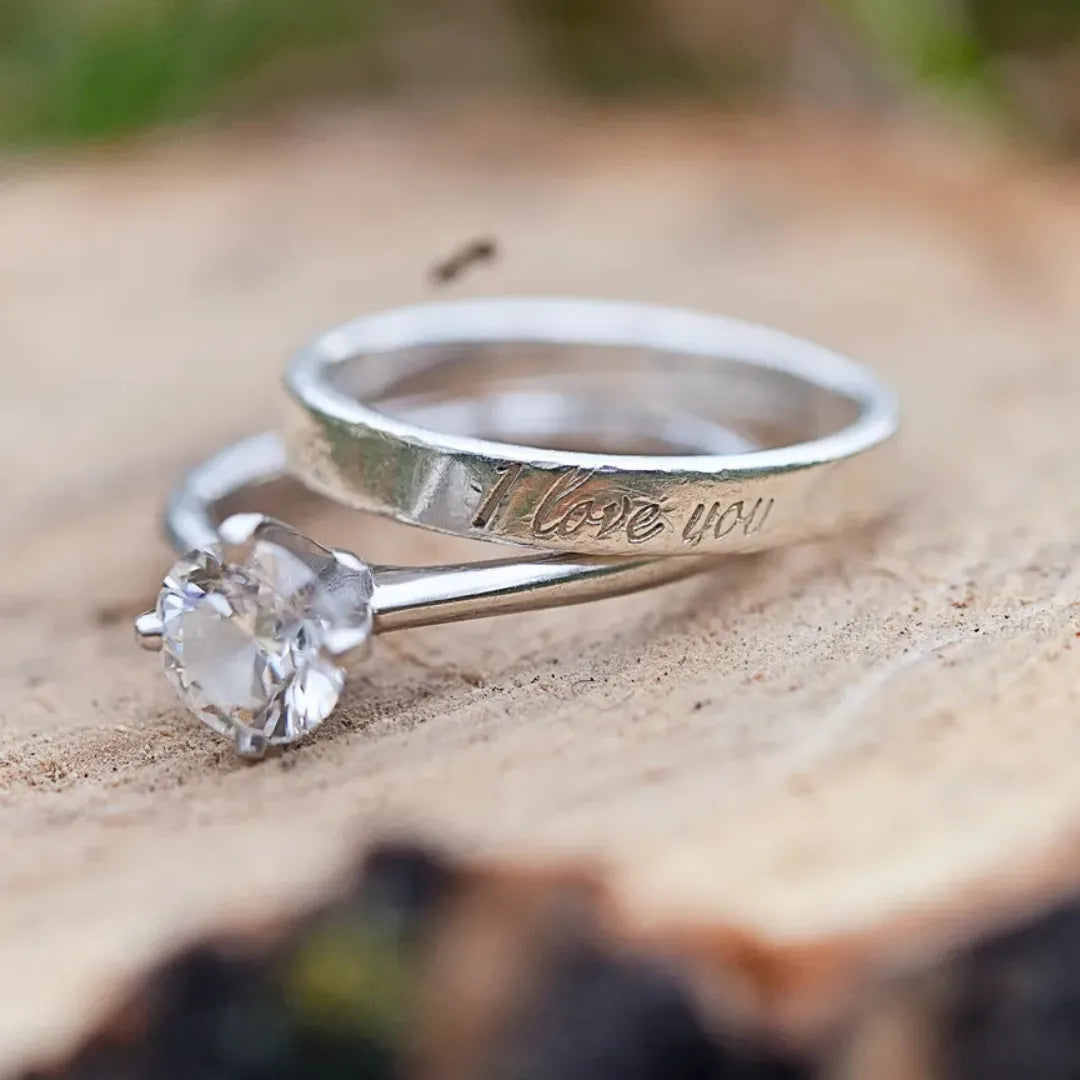
- Add an engraving: A date, phrase, initials, or other private message can create a personal detail that may not be visible to anyone else. Depending on the ring's design, a jeweler may also be able to incorporate a small flush-set gemstone on the inside of the band as a subtle, hidden detail known primarily to the wearer.
- Repurpose an heirloom: An inherited diamond or gemstone can be incorporated into a new ring, allowing a meaningful piece of jewelry to become part of a new chapter.
- Use a distinctive design element: The shape of the setting, the arrangement of accent stones, or a detail inspired by a shared interest can make the ring unlike any other.
Personalization does not necessarily mean creating an elaborate or unconventional ring. Sometimes, a single meaningful detail can transform a classic design into something that feels uniquely yours. For inspiration, explore our blog Custom Engagement Ring Stories: Real Designs Created for Real People to see how personal experiences and ideas can become part of a custom design.
If your engagement ring has an unusual shape or design, you may also want to consider the wedding band at the same time. A custom wedding band or ring guard can be designed to fit the engagement ring more closely, helping create a coordinated set that is comfortable and practical for everyday wear.
If you have not yet settled on a particular style, exploring different engagement ring designs can help you identify the elements you want to incorporate into your own custom ring. Browse our Engagement Rings or Engagement Ring Builder for additional inspiration.
How to Choose a Jeweler for a Custom Engagement Ring
Choosing the right jeweler is an important part of creating a custom engagement ring. The jeweler you work with will help translate your ideas into a wearable design, guide you through decisions about materials and construction, and help ensure that the finished ring is appropriate for your intended use.
Before choosing a jeweler, consider the following:
- Look for experience, credentials, and a strong reputation: Ask about the jeweler's experience with custom design and look for relevant professional education, credentials, or affiliations. For example, a jeweler may have GIA-trained professionals, AGS credentials, or membership with Jewelers of America. These qualifications can provide additional information about professional training and industry involvement, but they should be considered alongside the jeweler's actual experience and reputation.
- Review examples and customer feedback: Look for completed custom engagement rings that demonstrate the jeweler's capabilities. Pay attention to the quality of the details, stone setting, finishing, and craftsmanship, not just the overall style. It can also be helpful to look for reviews that specifically discuss the store's custom jewelry experience, including communication, the design process, craftsmanship, and how the jeweler handled the project from the initial consultation through completion.
- Understand how the design process works: Ask what happens after your initial consultation. A reputable jeweler should be able to explain how ideas are developed, how design changes are handled, when you will review or approve the design, and what happens before the ring is finished.
- Ask how you will be involved: Custom design should be a collaborative process. Find out whether you will have opportunities to review sketches, computer-aided designs, models, or other representations of the ring before it is made.
- Discuss materials, stone quality, and pricing: Your jeweler should be able to explain the characteristics of the diamonds, gemstones, and metals being considered for your ring. They should also be willing to discuss how different choices affect the appearance, durability, care requirements, and cost of the finished piece. Before moving forward, make sure you understand what is included in the quoted price and which aspects of the design could affect the final cost.
- Look for clear communication: You should feel comfortable asking questions and expressing uncertainty. Creating a custom engagement ring often involves making several decisions, and a good jeweler should be willing to explain your options rather than pressure you into a particular choice.
Ask how the finished ring will need to be cared for and maintained over time. Different metals, gemstones, settings, and design details can have different maintenance requirements, and understanding these requirements before beginning the project can help you choose a design that fits your lifestyle.
Ultimately, a reputable jeweler should be able to discuss both the creative and technical aspects of custom design. They should explain the materials and process clearly, provide opportunities for you to participate in important decisions, and help you understand your options before you commit to the finished ring.
Ready to start your custom engagement ring journey? Get in touch with Nelson Coleman Jewelers today, or you can use these resources to find a jeweler in your area: GIA Retailer Lookup, AGS Find a Jeweler, or Find a JA Member Jeweler.
What Is the Custom Engagement Ring Design Process?
The custom engagement ring design process will vary depending on the jeweler, the complexity of the design, and the materials selected. However, most custom projects involve several stages, beginning with a conversation about your ideas and ending with the creation and finishing of the ring.
You will typically discuss your preferred style, budget, lifestyle, and design goals with a jeweler or designer. From there, you may develop design concepts, select a center stone and other materials, review a more detailed representation of the proposed ring, and approve the design before production begins.
A typical custom engagement ring process may include:
- Initial consultation: Discuss your ideas, inspiration, preferred styles, budget, and the characteristics you want in your engagement ring.
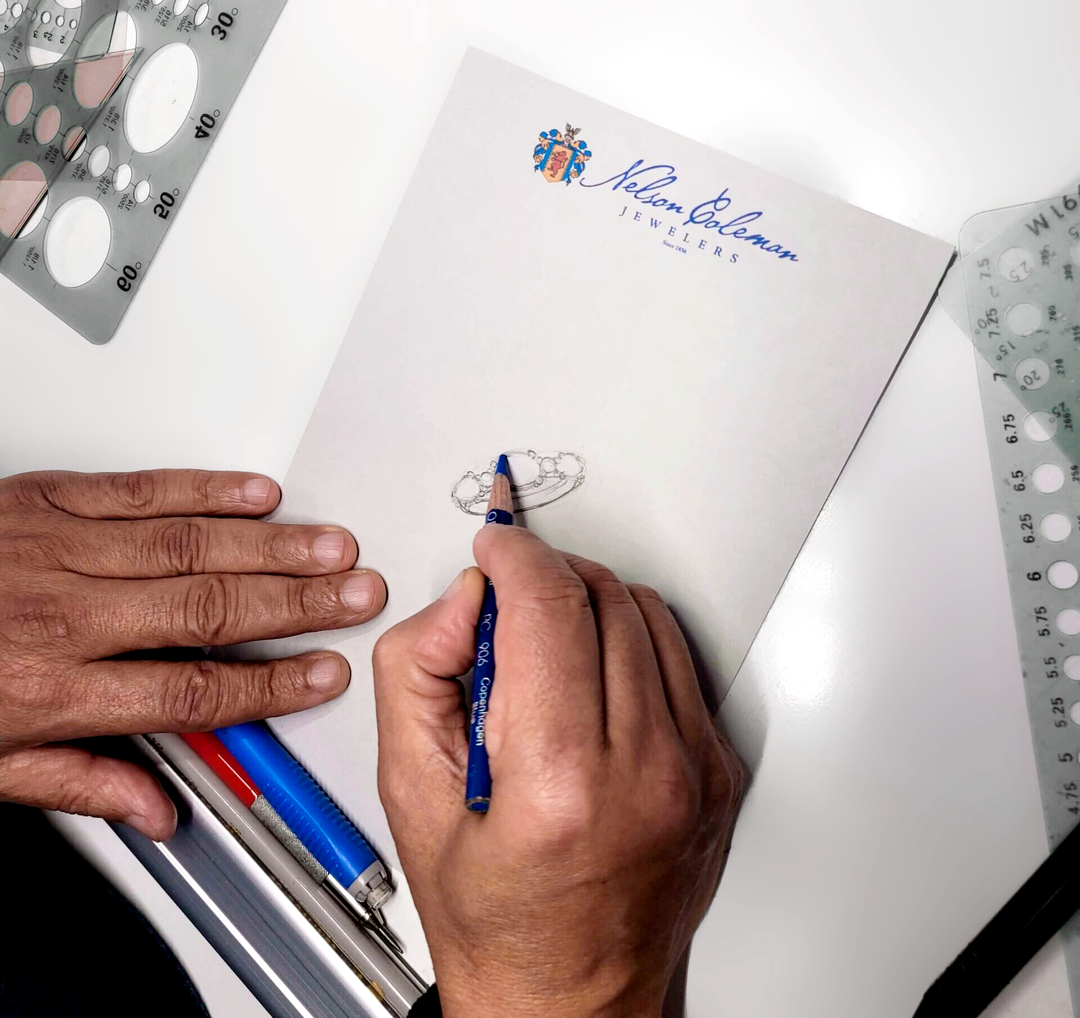
- Design development: Your ideas are translated into sketches, computer-aided designs, or other visual representations of the proposed ring.
- Center stone and material selection: Choose the diamond or gemstone, metal, and other design elements that will become part of the finished ring.
- Design review and approval: Review the proposed design and request any necessary changes before production begins.
- Creation and finishing: The ring is cast, fabricated, assembled, and finished according to the approved design, with the center stone and any accent stones set into the completed piece.
Not every jeweler will follow these exact steps, and some custom designs may require additional stages or different production methods. Before beginning a custom engagement ring project, ask your jeweler to explain how the process works, when you will have opportunities to review the design, and how changes are handled before the ring is made.
It can also be worth asking how the proposed design may be affected by future resizing or repairs. Some ring designs are easier to resize or modify than others, particularly if stones extend around much of the band or the design includes intricate structural details. A jeweler should be able to discuss the practical considerations of maintaining the ring over time.
For an example of how one jeweler's process works, you can explore the custom design process at Nelson Coleman Jewelers. You may also want to learn more about common misconceptions surrounding custom jewelry before beginning your project.
How the Custom Design Process Works at Nelson Coleman Jewelers
Every jeweler's custom design process will be different. At Nelson Coleman Jewelers, the process is designed to give you opportunities to discuss your ideas, review the developing design, and provide feedback before your custom engagement ring is finished.
1. One-on-One Consultation
The process begins with a conversation about your ideas, preferences, lifestyle, and budget. During your consultation, you can review sketches, photographs, existing jewelry, and other sources of inspiration to help communicate what you want your custom engagement ring to look like.
You can also discuss potential center stones, diamond characteristics, gemstones, metals, and other design details. Your designer will use this information to develop an initial concept for your ring and help you evaluate the options that best fit your vision.
2. Computer-Aided Design and Image Approval
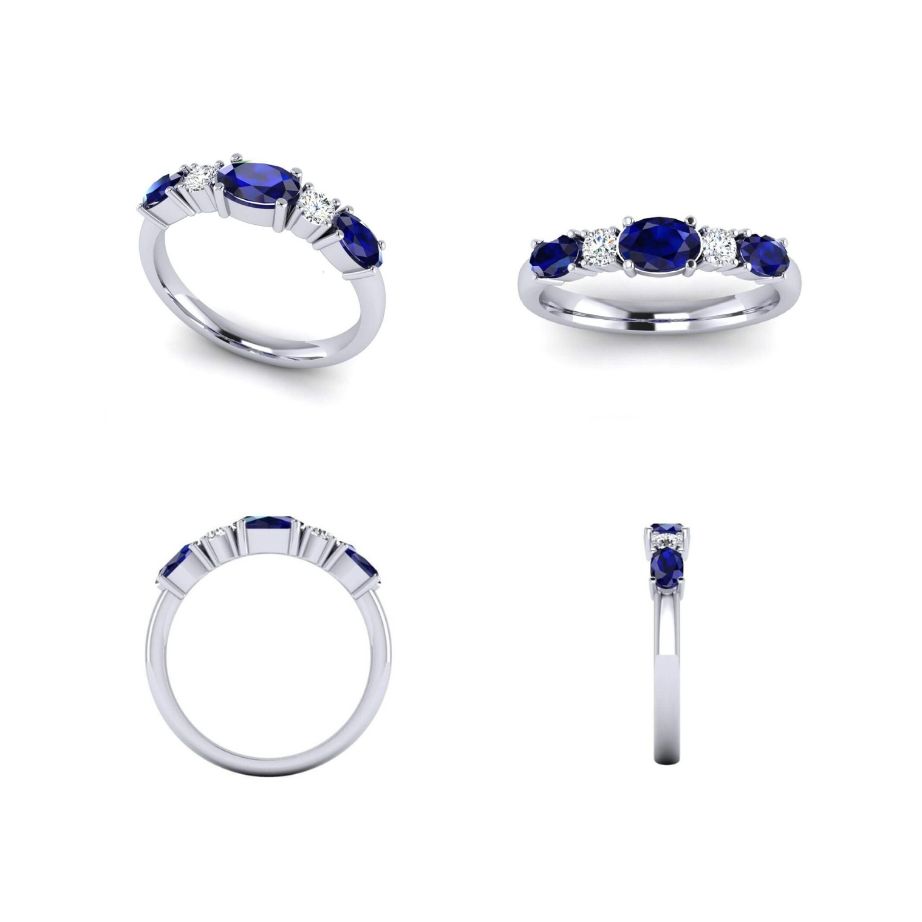
Once the initial design has been developed, a computer-aided design (CAD) image will provide a more detailed, photorealistic representation of the proposed ring. This gives you the opportunity to review the design and identify any changes you would like to make before production begins.
The design can be adjusted based on your feedback, allowing you to review the developing ring before it is created. During this stage, you may also finalize your center diamond or gemstone if you have not already done so.
3. 3D Wax Model
A 3D wax model of the design can provide another opportunity to examine the ring before it is made in metal. The model allows you to see and handle a physical representation of the design and identify any final changes that may be needed.
This step can be particularly helpful for understanding the proportions and scale of the ring in three dimensions before the final piece is created.
4. Casting, Stone Setting, and Finishing
Once the design has been approved, the ring is created in the selected metal. The center stone and any accent gemstones are then set, and the finished ring is carefully examined and polished before completion.
The exact production process can vary depending on the design and materials selected. To learn more about creating a custom engagement ring or another personalized piece, explore Nelson Coleman Jewelers' custom jewelry design services.
Start Creating Your Custom Engagement Ring
Creating a custom engagement ring gives you the opportunity to choose the details that matter most to you, from the center stone and metal to the shape, setting, and personal touches that make the design your own. You do not need to have every detail decided before you begin. A knowledgeable jeweler can help you explore your options, understand the practical considerations of different materials and designs, and turn your ideas into a ring that reflects your style and story.
Whether you are starting with a specific design in mind or simply know that you want something personal and unique, the next step is to find a jeweler you trust and begin a conversation. Explore engagement ring styles for inspiration, learn more about custom jewelry design, or contact a local jeweler to discuss your ideas and discover what may be possible.
Get in touch with Nelson Coleman Jewelers today or explore our engagement ring builder to get started on your custom engagement ring design journey.