

Is a 4 Prong Oval Solitaire Safe? Everything You Need to Know
A 4 prong solitaire setting is one of the most timeless and popular choices for engagement rings. Its clean, minimal design allows the center diamond to take the spotlight while using less metal around the stone than many other settings.
But if you are considering a 4 prong solitaire—especially for an oval diamond—you may be wondering: Is it safe enough for everyday wear?
The short answer is yes. A properly designed and well-maintained 4 prong solitaire setting can securely hold a diamond for a lifetime. However, the safety of the setting depends on several factors, including the diamond shape, prong placement, quality of craftsmanship, and how you wear your ring.
Here are the key things to know:
- A 4 prong setting allows more of the diamond to remain visible, creating a clean and elegant appearance.
- A 6 prong setting provides additional support and may offer extra peace of mind for some wearers.
- Oval diamonds require careful prong placement because their elongated shape leaves the pointed ends more vulnerable to impact.
- Regular inspections help identify worn or damaged prongs before they become a problem.
- Your lifestyle plays an important role in choosing the right engagement ring setting.
Understanding these differences will help you choose a setting that balances beauty, security, and everyday practicality.
At Nelson Coleman Jewelers, our jewelry experts have helped generations of couples choose engagement rings that fit both their style and their lifestyle. Whether you are shopping for a classic solitaire or designing a custom engagement ring, we can help you understand the details that make a setting both beautiful and durable.
How Secure Is a 4 Prong Solitaire Setting?
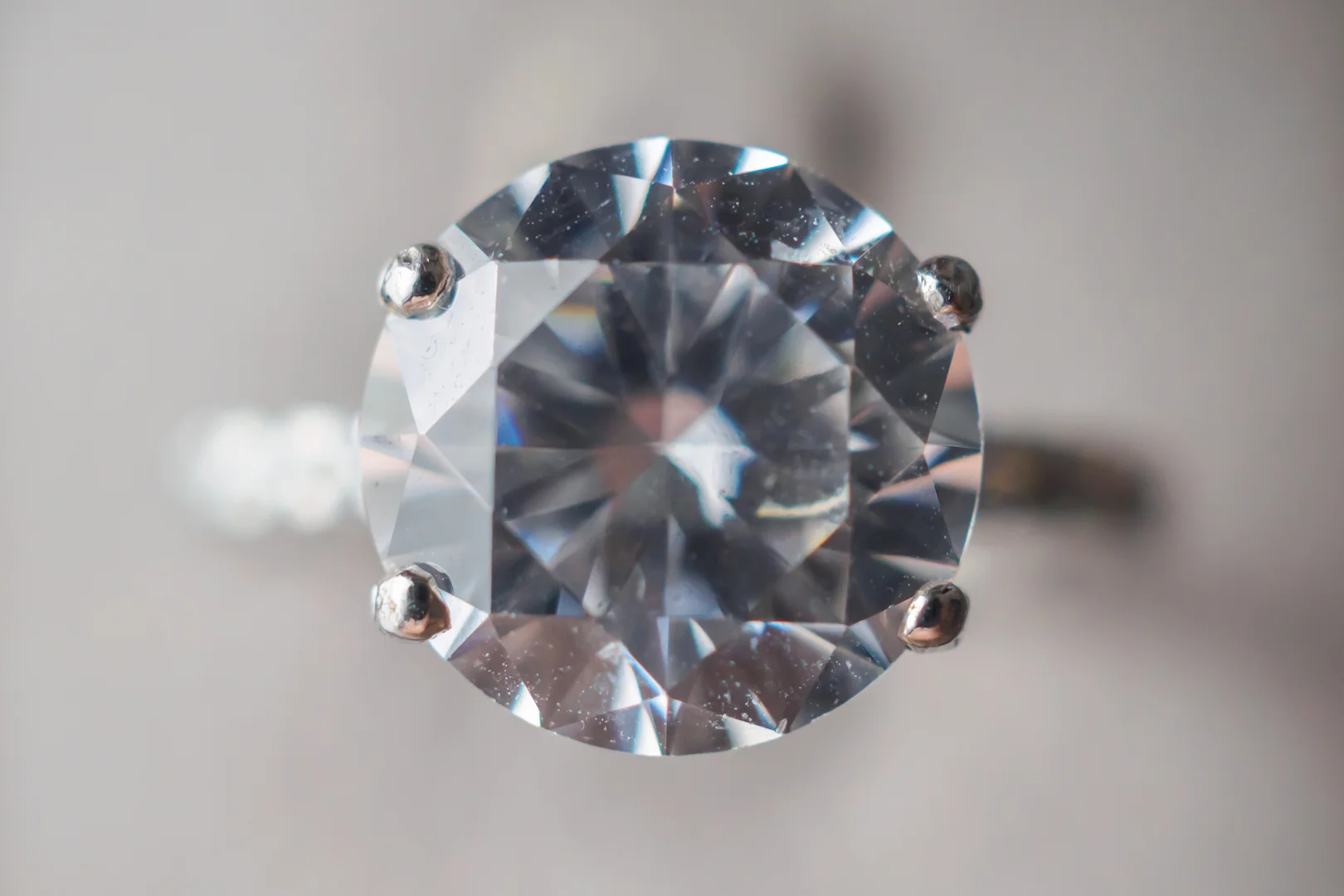
The biggest concern many shoppers have about a 4 prong solitaire setting is whether fewer prongs means less security.
A 4 prong setting uses four carefully positioned prongs to hold the diamond in place. When properly designed, those prongs provide a secure grip while allowing more light to enter the diamond and leaving more of the stone visible.
However, because there are fewer prongs than in a 6 prong setting, each individual prong plays an important role. If a prong becomes damaged, bent, or worn down over time, it may reduce the security of the setting.
This is why regular jewelry inspections are so important for engagement rings worn every day. A professional jeweler can check for issues such as worn prong tips, loose stones, or damage that may not be obvious to the wearer.
A 4 prong setting is not automatically unsafe—it simply requires thoughtful design and routine care.
Are 4 Prong Settings Safe for Oval Diamonds?
Oval diamonds are one of the most popular choices for engagement rings because they offer an elegant, elongated shape and can appear larger than round diamonds of the same carat weight.
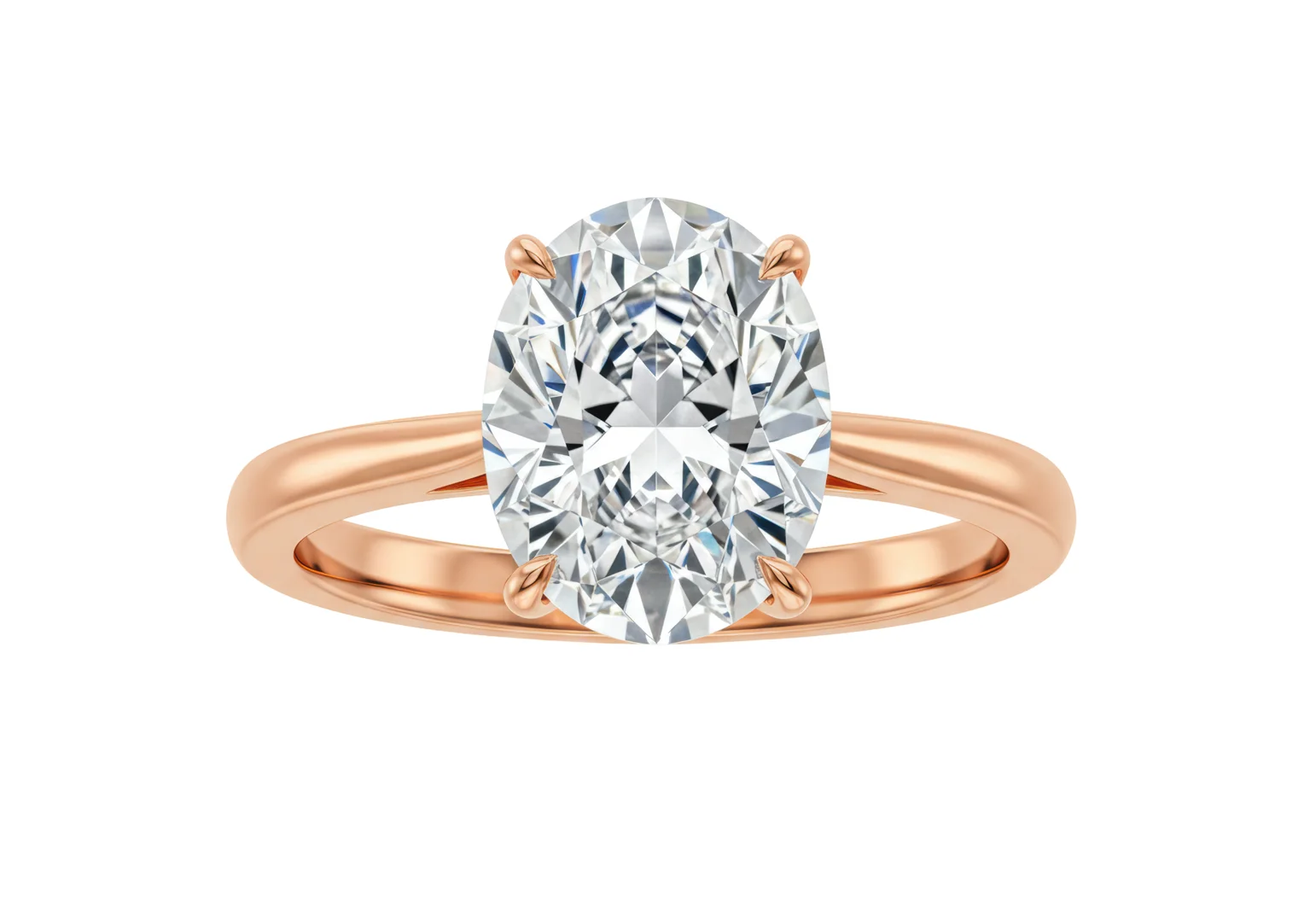
However, oval diamonds do require special consideration when selecting a setting.
The rounded ends of an oval diamond are more vulnerable areas because they extend farther from the center of the setting. Proper prong placement helps protect these areas while still showcasing the graceful outline of the stone.
A skilled jeweler will consider:
- Where the prongs sit on the oval: Proper placement helps protect the ends of the diamond without covering too much of the stone.
- The size and shape of the prongs: Prongs should be strong enough to secure the diamond while complementing the design.
- The height of the setting: A lower profile setting may offer more protection for some lifestyles.
- How the ring will be worn: An everyday engagement ring may require different considerations than a ring worn occasionally.
It is also important to remember that while diamonds are the hardest natural material, they are not impossible to damage. Diamonds can chip if struck in the right place and under the right circumstances. You can learn more about diamond durability in our guide on Can Diamonds Break?
4 Prong vs. 6 Prong Solitaire Settings: What Is the Difference?
The choice between a 4 prong and 6 prong solitaire often comes down to balancing appearance, security, and personal preference.
Benefits of a 4 Prong Solitaire Setting
A 4 prong setting is popular because it creates a simple, open appearance that puts the focus almost entirely on the center diamond.
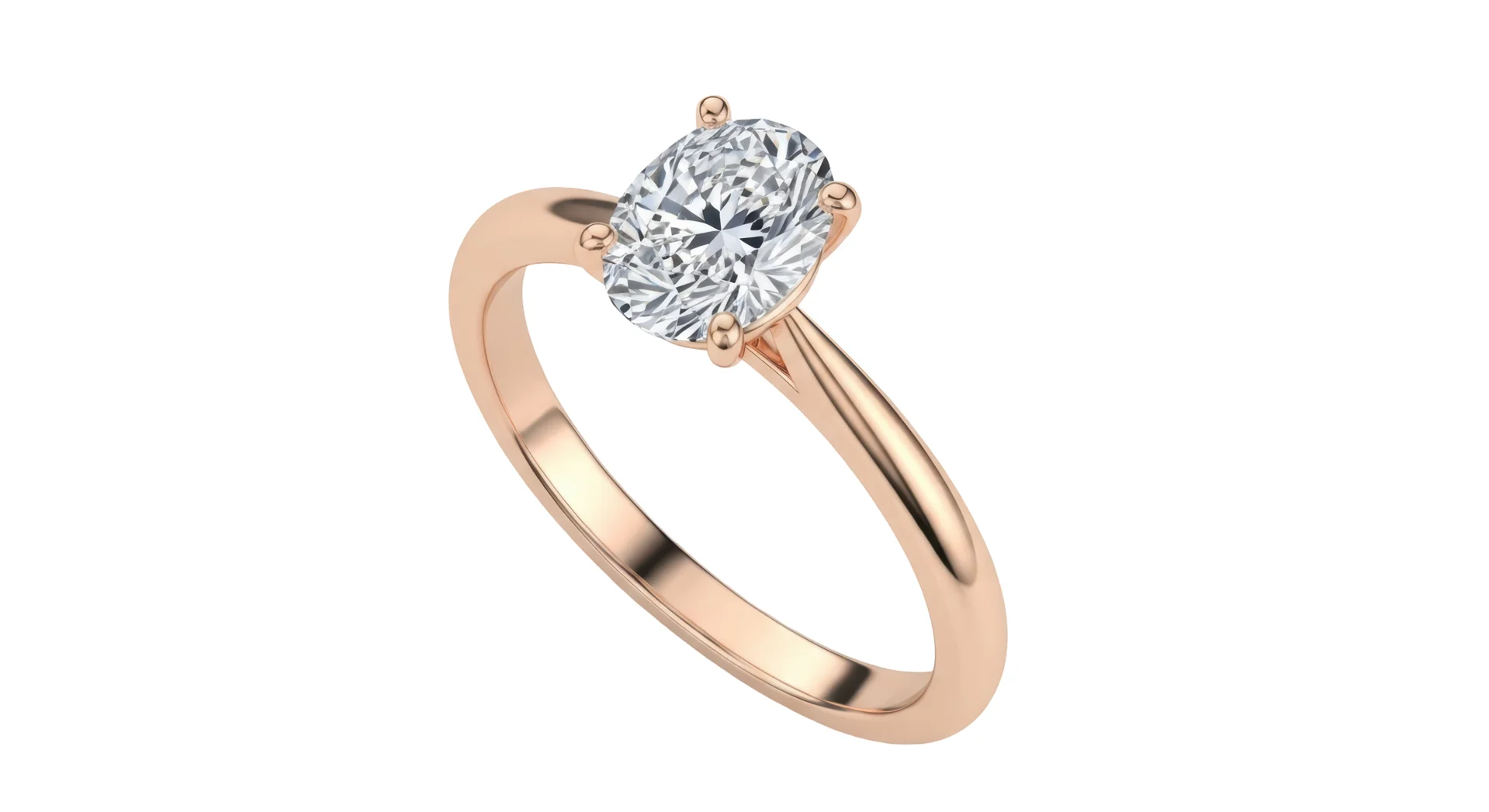
Benefits include:
- More diamond visibility: With fewer prongs surrounding the stone, more of the diamond can be seen.
- A clean, modern look: The minimalist design works beautifully with many engagement ring styles.
- Less metal coverage: Smaller diamonds may appear more prominent because the setting does not visually compete with the stone.
- Easy style versatility: Four prong solitaires complement round, oval, princess, cushion, and other diamond shapes.
Benefits of a 6 Prong Solitaire Setting
A 6 prong setting uses additional prongs around the diamond, which some wearers prefer for the added visual balance and traditional appearance.
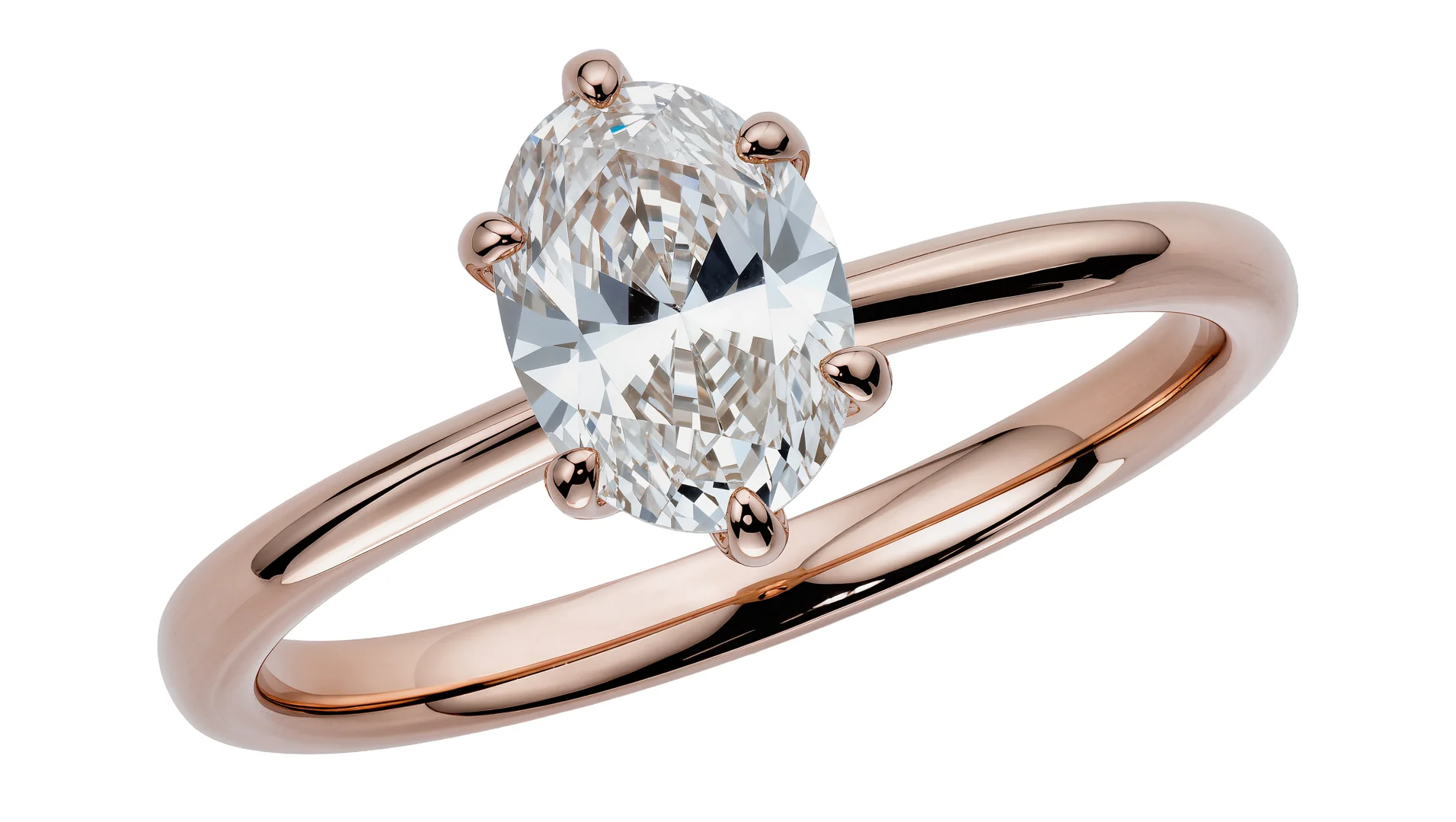
Benefits include:
- Additional support points: More prongs provide extra redundancy if one prong becomes damaged.
- A classic look: Six prongs create the timeless appearance famously associated with traditional solitaire engagement rings.
- Added protection for some diamond shapes: Depending on the design, additional prongs may help protect certain areas of the stone.
Neither option is universally better. The best choice depends on your diamond, your preferences, and how you plan to wear your ring.
Why Choose a 4 Prong Solitaire Setting for a Smaller Diamond?
For smaller center diamonds, many shoppers prefer the delicate appearance of a 4 prong solitaire setting.
When a diamond is smaller, additional metal from six prongs may become more noticeable and can visually compete with the center stone. Four slimmer prongs can create a lighter, more open appearance that allows the diamond to take center stage.
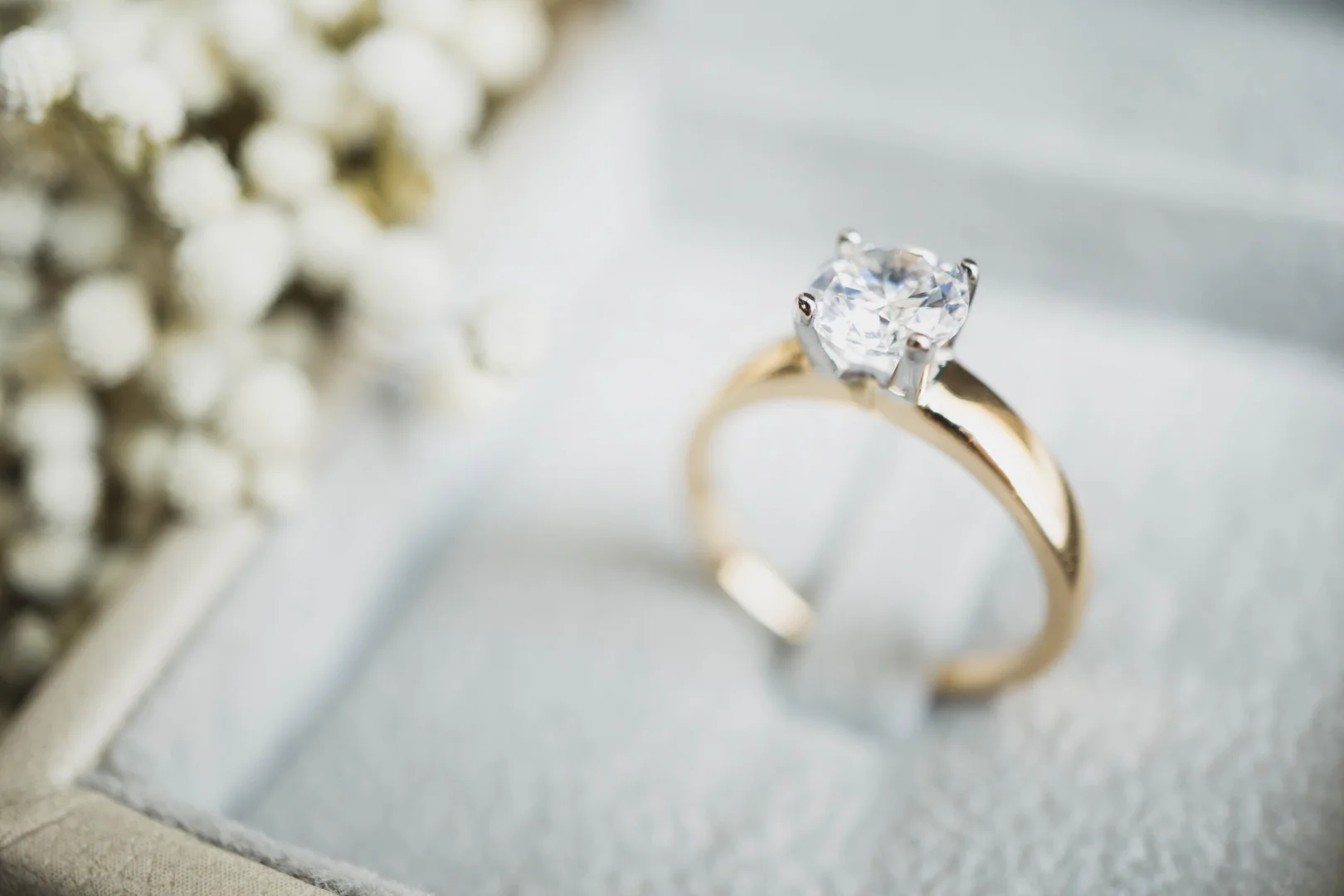
A 4 prong setting can also help emphasize the size and shape of the diamond by reducing visual distractions around the edges.
That said, the right choice depends on the individual ring design. A skilled jeweler can help you choose prong size, style, and placement to achieve the look you want while maintaining appropriate security.
If you are comparing diamond size and quality options, our guide on how to buy a diamond can help explain the tradeoffs.
How Prong Placement Changes the Look of Your Diamond
Prongs do more than secure a diamond—they can also influence how the stone appears on your hand.
Round Diamonds and the Squaring Effect
On a round brilliant diamond, a traditional 4 prong setting often places the prongs at diagonal positions. This can create a subtle “squaring” effect, making the diamond appear slightly more geometric from a distance.
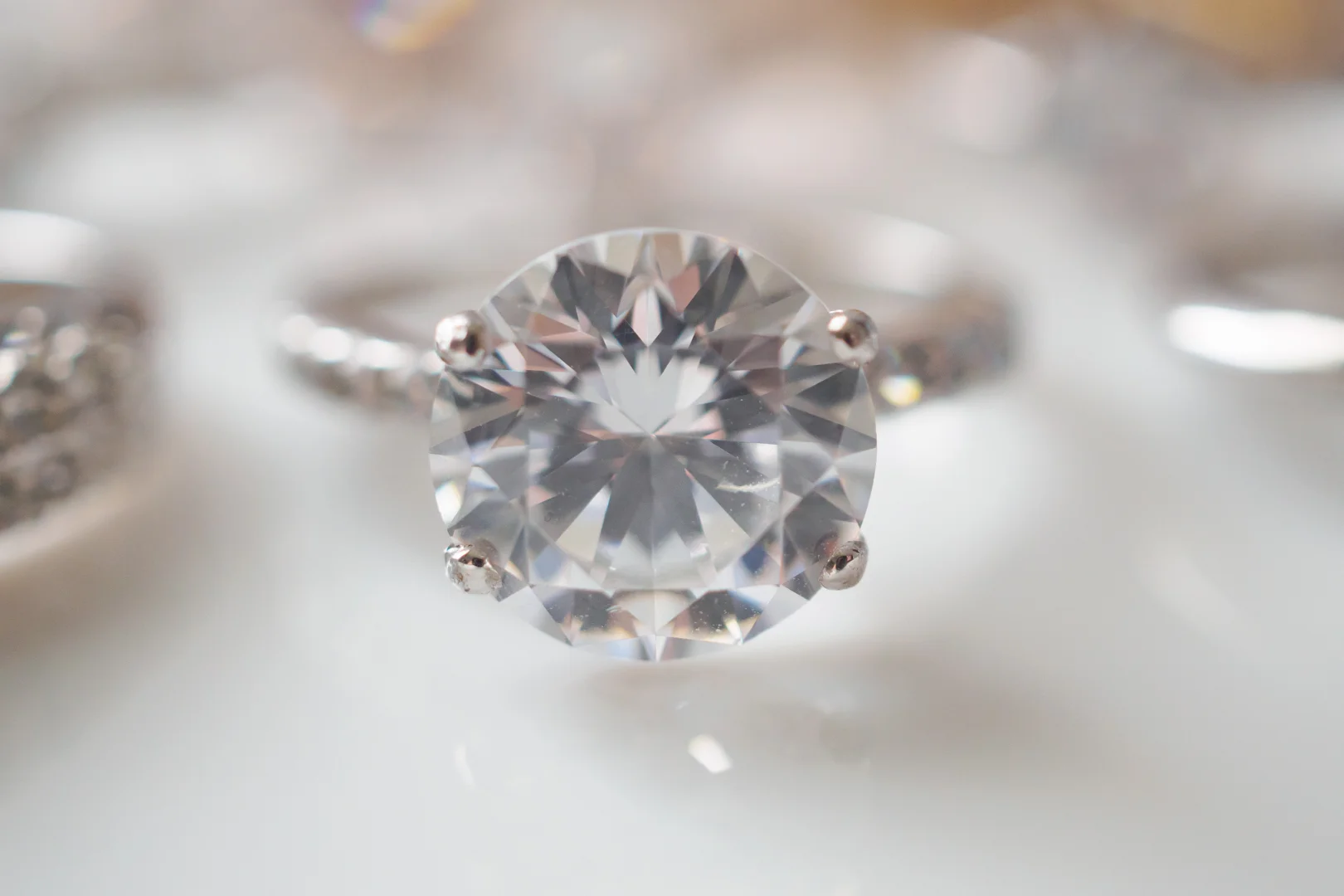
Some people love this look because it gives a round diamond a unique appearance. Others prefer the traditional round silhouette.
Compass Settings
If you like the openness of a 4 prong setting but want to maintain a more rounded appearance, a compass setting may be an option.
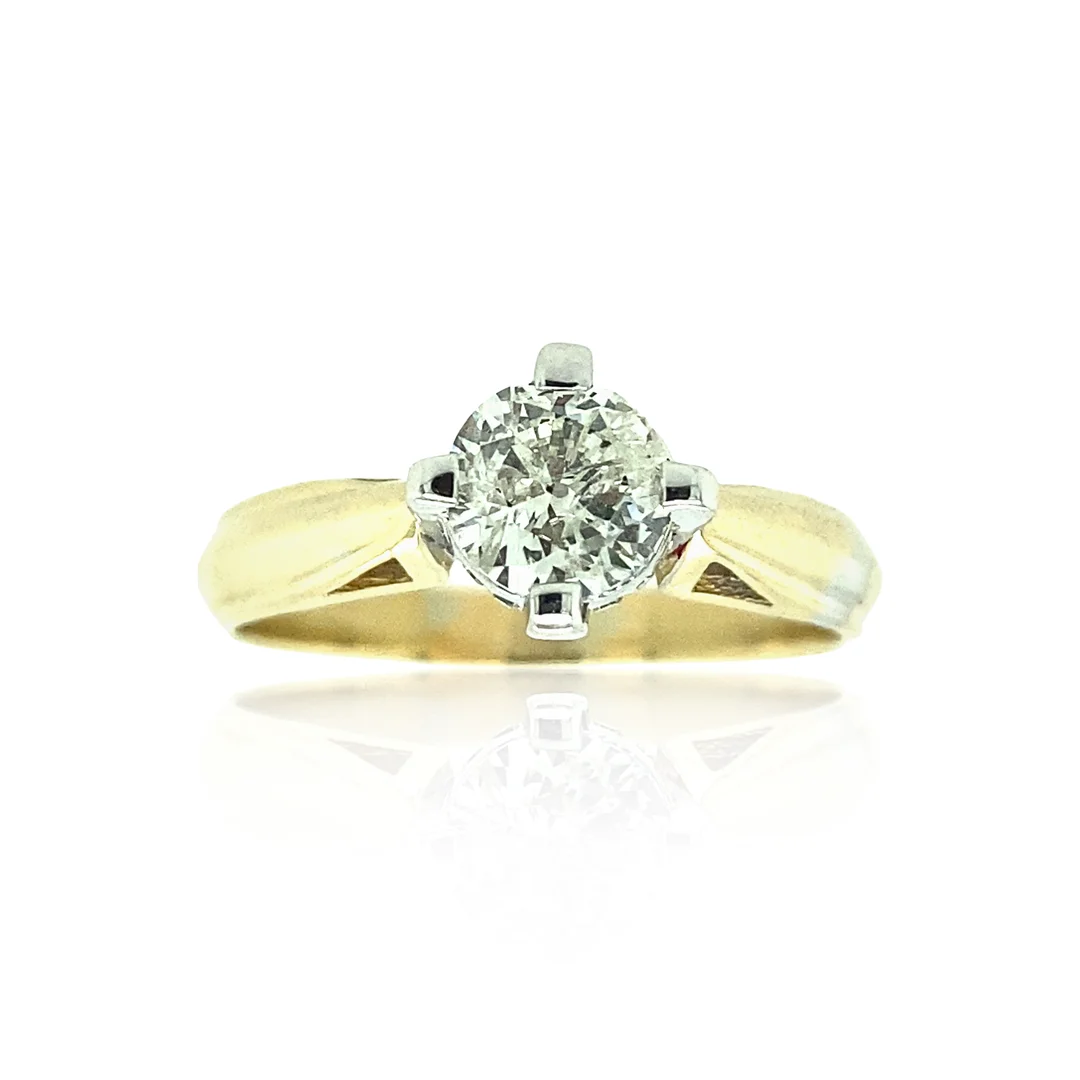
In a compass setting, the four prongs are positioned at the north, south, east, and west points of the diamond rather than at diagonal corners. This creates a different visual effect while still offering the simplicity of four prongs.
Want something a little more personal? If you have a specific vision for your engagement ring, consider creating a custom design. Our guide, How to Create a Custom Engagement Ring: Your Complete Guide, walks you through the process from developing your initial idea to creating the finished ring.
Oval Diamonds
For oval diamonds, a 4 prong setting can beautifully highlight the elongated shape of the stone. The prongs should be carefully positioned to complement the oval outline while helping protect the ends of the diamond.
A well-designed oval solitaire allows the shape of the diamond to remain the star of the ring.
How to Make a 4 Prong Solitaire Setting More Secure
If you love the look of a 4 prong solitaire, there are several ways to make sure your ring is designed with security in mind.
Choose Appropriate Prong Style and Placement
Different prong styles can change both the appearance and function of a setting. Claw prongs, rounded prongs, and other designs each create a different balance between delicacy and strength.
The right choice depends on the diamond shape, size, and the overall design of the ring.
Consider the Metal Used for the Setting
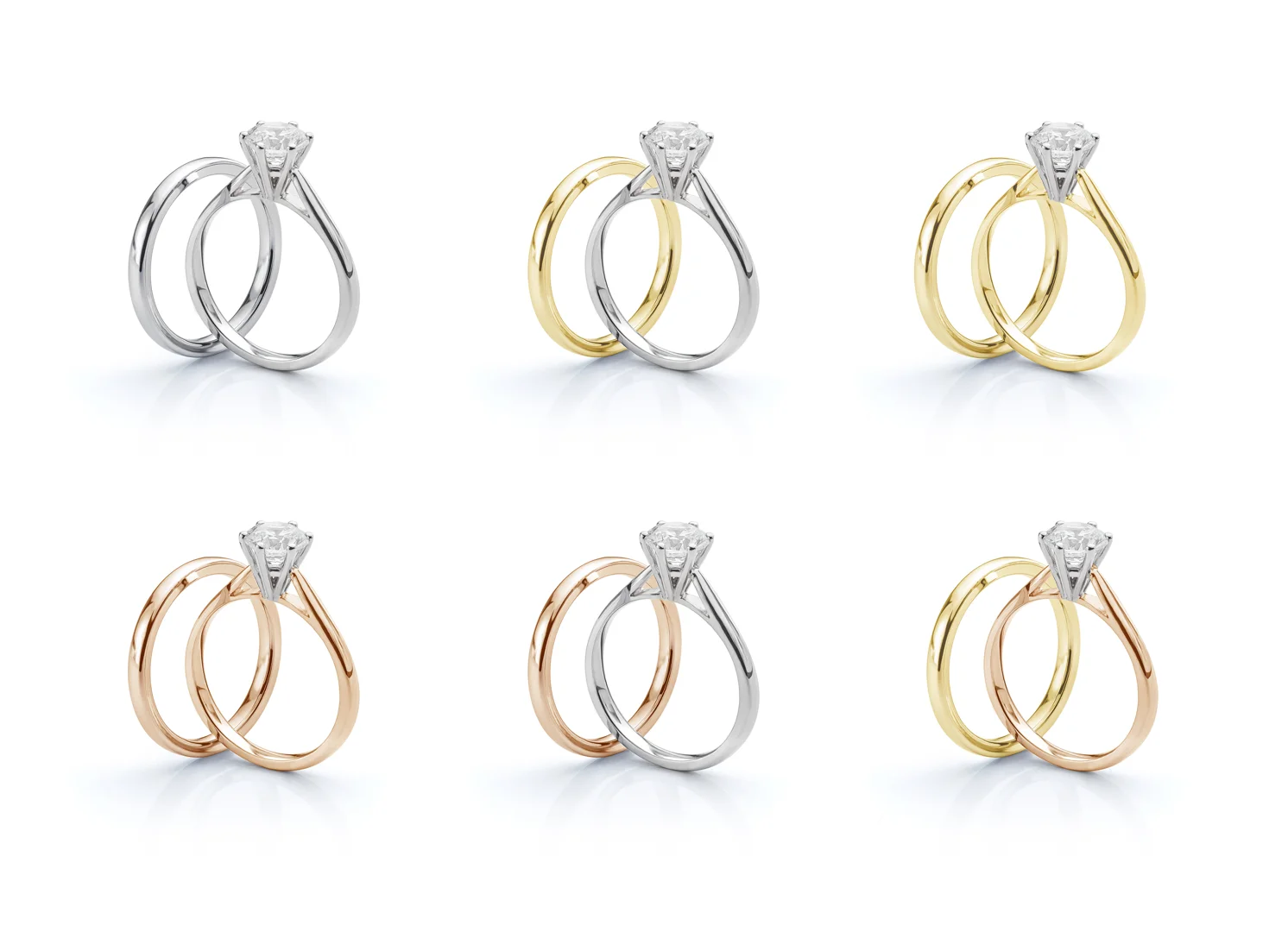
The metal choice can influence the appearance and durability of your ring. Platinum and gold each have different characteristics, and your jeweler can help you determine which option best fits your design, budget, and lifestyle.
Schedule Regular Inspections
Because engagement rings are typically worn every day, routine inspections are an important part of jewelry care.
We recommend having your ring professionally inspected at least twice a year. During an inspection, a jeweler can check the prongs, setting, and overall condition of your ring.
Learn more about professional inspections through our Jewelry Inspection Services.
Pay Attention to Changes in Your Ring
If your diamond feels loose, you hear movement when you shake your ring gently, or you notice a damaged or bent prong, stop wearing the ring and have it checked by a professional.
Small repairs are often much simpler when caught early. Learn more about common issues in our guide to The Most Common Jewelry Repairs and Damage to Watch For.
Is a 4 Prong Solitaire Setting Right for Your Lifestyle?
The best engagement ring setting is one that fits the way you actually live.
A 4 prong solitaire may be an excellent choice if you:
- Prefer a clean, classic design.
- Want your diamond to be the main focus.
- Appreciate a lighter, more minimal setting.
- Are comfortable with routine jewelry maintenance.
However, your lifestyle should also influence your decision.
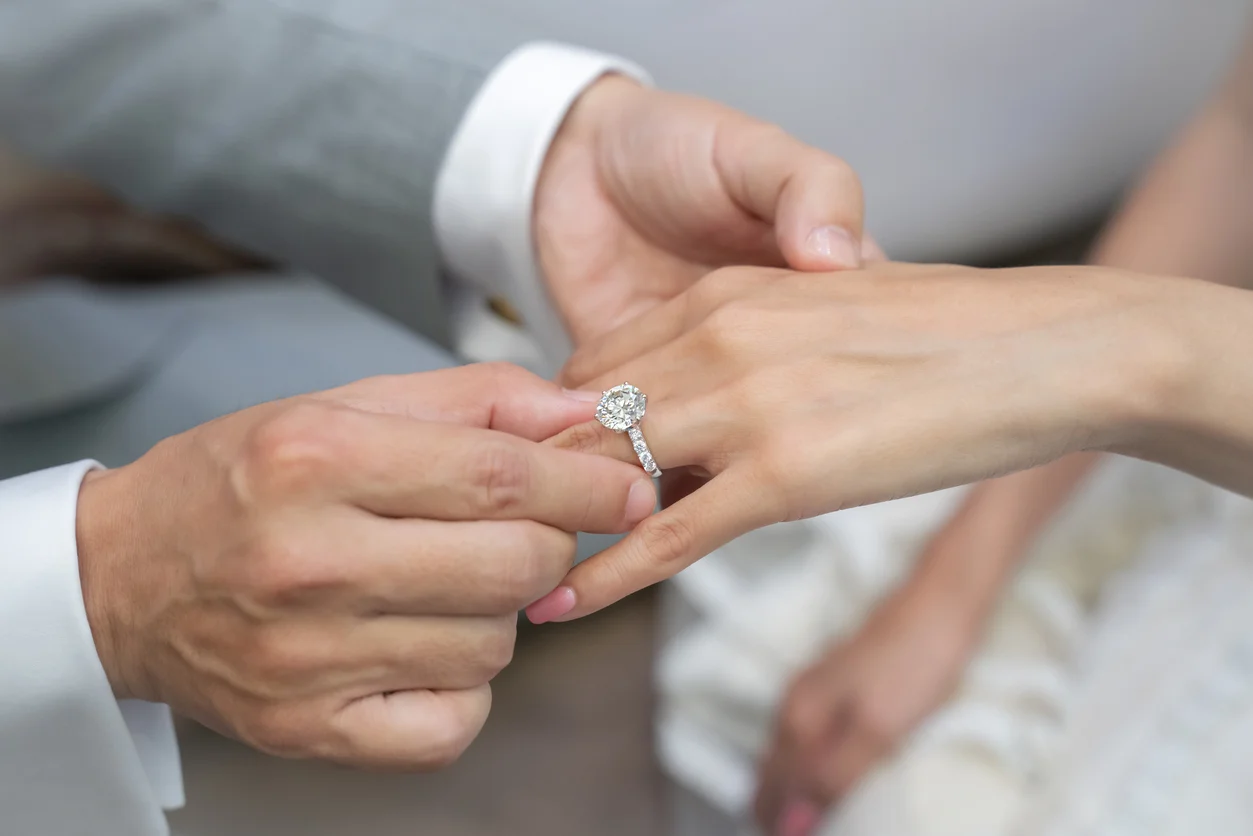
If you work with your hands frequently, participate in activities where your ring may experience impact, or prefer a lower-maintenance option, you may want to discuss alternative settings with your jeweler.
This does not mean you cannot wear a 4 prong setting. Many active people wear them successfully. It simply means the design and care routine should match your lifestyle.
For more guidance, see our How to Buy an Engagement Ring Step by Step Guide.
Frequently Asked Questions About 4 Prong Solitaire Settings
Is a 4 prong solitaire setting safe for everyday wear?
Yes. A properly designed 4 prong solitaire setting can be worn every day when it is made correctly and maintained regularly. Routine inspections help identify potential issues before they become serious.
Is a 6 prong setting safer than a 4 prong setting?
A 6 prong setting provides additional prongs, which some people prefer because it offers more support points. However, a well-made 4 prong setting can also securely hold a diamond when properly designed and maintained.
Does a 4 prong setting make a diamond look bigger?
A 4 prong setting can make a diamond appear more prominent because fewer prongs surround the stone. This allows more of the diamond to remain visible and can create a more open appearance.
Does a 4 prong setting work for oval diamonds?
Yes. Oval diamonds can look beautiful in 4 prong settings. The key is proper prong placement and a design that protects the elongated ends of the diamond.
How often should I have my engagement ring inspected?
For a ring worn every day, many jewelers recommend professional inspections about twice a year. Regular checks can help identify worn prongs or other issues before a stone becomes loose.
Conclusion: Choosing the Right Solitaire Setting
A 4 prong solitaire setting offers a timeless combination of elegance, simplicity, and diamond visibility. For many engagement ring shoppers, it provides the perfect balance between showcasing the beauty of the center stone and creating a classic design.
If you are considering a 4 prong solitaire oval or another diamond shape, the most important factors are thoughtful design, proper construction, and regular care.
At Nelson Coleman Jewelers, our experienced jewelry professionals can help you compare 4 prong and 6 prong settings, evaluate diamond shapes, and choose an engagement ring that fits your style and your lifestyle.
Visit one of our locations in Towson, Frederick, Easton, MD, or Inwood, WV to see different solitaire settings in person. You can also explore our Solitaire Engagement Ring Collection or try creating your own design with our Custom Engagement Ring Builder.


