

Affordable Wedding Sets: 5 Ways to Save and Find Your Style
Finding affordable wedding sets starts with deciding which details matter most to you and where you have flexibility. The price of an engagement ring and wedding band combination depends on the center stone, metal, setting design, and craftsmanship. Your budget can also go further if you repurpose existing jewelry or compare custom designs with ready-made sets.
This guide covers five ways to manage the cost of affordable wedding sets:
- Center stone: Compare diamonds, moissanite, white sapphire, white topaz, and other gemstones.
- Ring setting: Understand how design details, stone placement, and construction affect price.
- Metal choice: Compare precious metals by cost, durability, and maintenance.
- Repurposing existing jewelry: Explore resetting gemstones, reusing suitable metal, or redesigning heirlooms.
- Custom vs. ready-made sets: Compare the potential costs and benefits of each approach.
You can also plan for future milestones and start with a gemstone you love, then upgrade to a diamond later, if the ring can accommodate that change.
1. Center Stone: Diamond, Moissanite, or Another Gemstone?
The center stone can account for a substantial portion of an engagement ring's price. Natural diamonds, lab-grown diamonds, moissanite, and other diamond alternatives each have different characteristics and price points. Understanding those differences will help you decide which option best suits your budget and preferences.
Natural Diamonds vs. Lab-Grown Diamonds
Natural diamonds form within the Earth over geological time, while lab-grown diamonds are created using technological processes. They have essentially the same chemical composition, crystal structure, and optical and physical properties, although their origins differ.
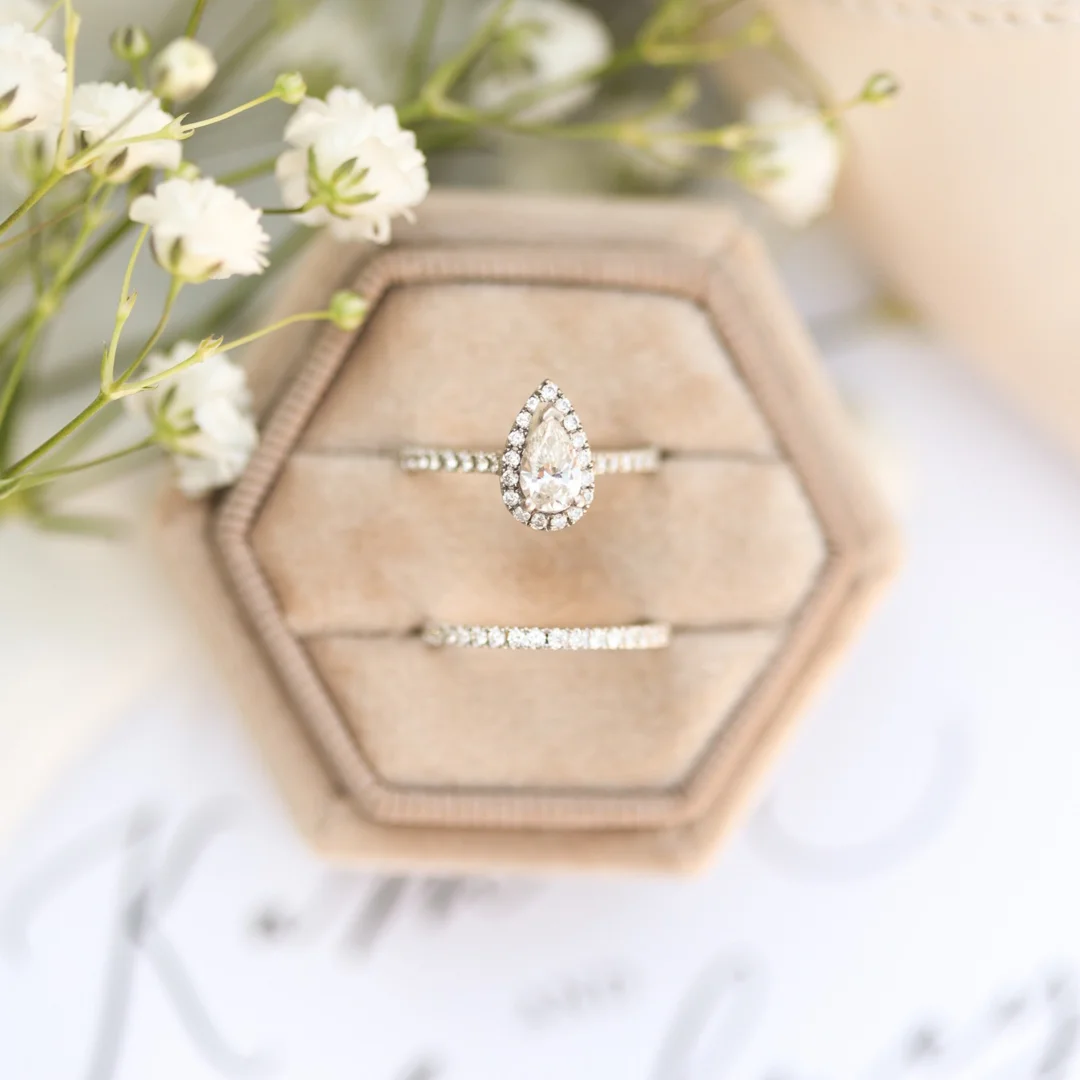
Lab-grown diamonds typically cost less than comparable natural diamonds. If having a diamond matters to you but you want to manage the cost, a lab-grown stone may allow you to consider a larger center stone or allocate more of your budget to the setting.
Natural diamonds remain appealing to shoppers who value their geological origin and traditional place in engagement jewelry. Prices vary considerably according to carat weight, cut, color, clarity, and other factors, so comparing individual stones is more useful than relying on carat weight alone.
For a closer look at diamond characteristics and how to prioritize them, read our complete guide to buying a diamond.
Moissanite and Other Diamond Alternatives
If your priority is a bright, durable center stone at a lower price, moissanite is worth considering. It has strong scratch resistance and a distinctive brilliance that often produces more colorful flashes of light than diamond.
Cubic zirconia is another affordable option. It can provide a diamond-like appearance at a much lower initial cost, although it is softer than diamond and moissanite and generally shows wear more readily with regular use.
| Center stone | Key characteristics | Affordability considerations |
|---|---|---|
| Natural diamond | Naturally formed, excellent scratch resistance, classic diamond brilliance | Price varies widely with carat weight and quality; typically more expensive than comparable lab-grown diamonds |
| Lab-grown diamond | Same essential chemical, physical, and optical properties as a natural diamond | Typically less expensive than a comparable natural diamond |
| Moissanite | Brilliant sparkle with colorful flashes of light; excellent scratch resistance | Often a lower-cost alternative to diamond |
| White sapphire | Colorless corundum with a soft, understated glow and more subtle sparkle than diamond | Can offer a durable, lower-cost alternative, although pricing varies |
| White Topaz | Colorless gemstone with a bright, glassy appearance and a more affordable price point | Budget-friendly option, but less resistant to scratching than diamond, moissanite, or sapphire |
| Cubic zirconia (CZ) | Synthetic gemstone with a diamond-like appearance and strong initial sparkle | Very affordable, but softer than diamond and moissanite and more susceptible to scratching and wear over time |
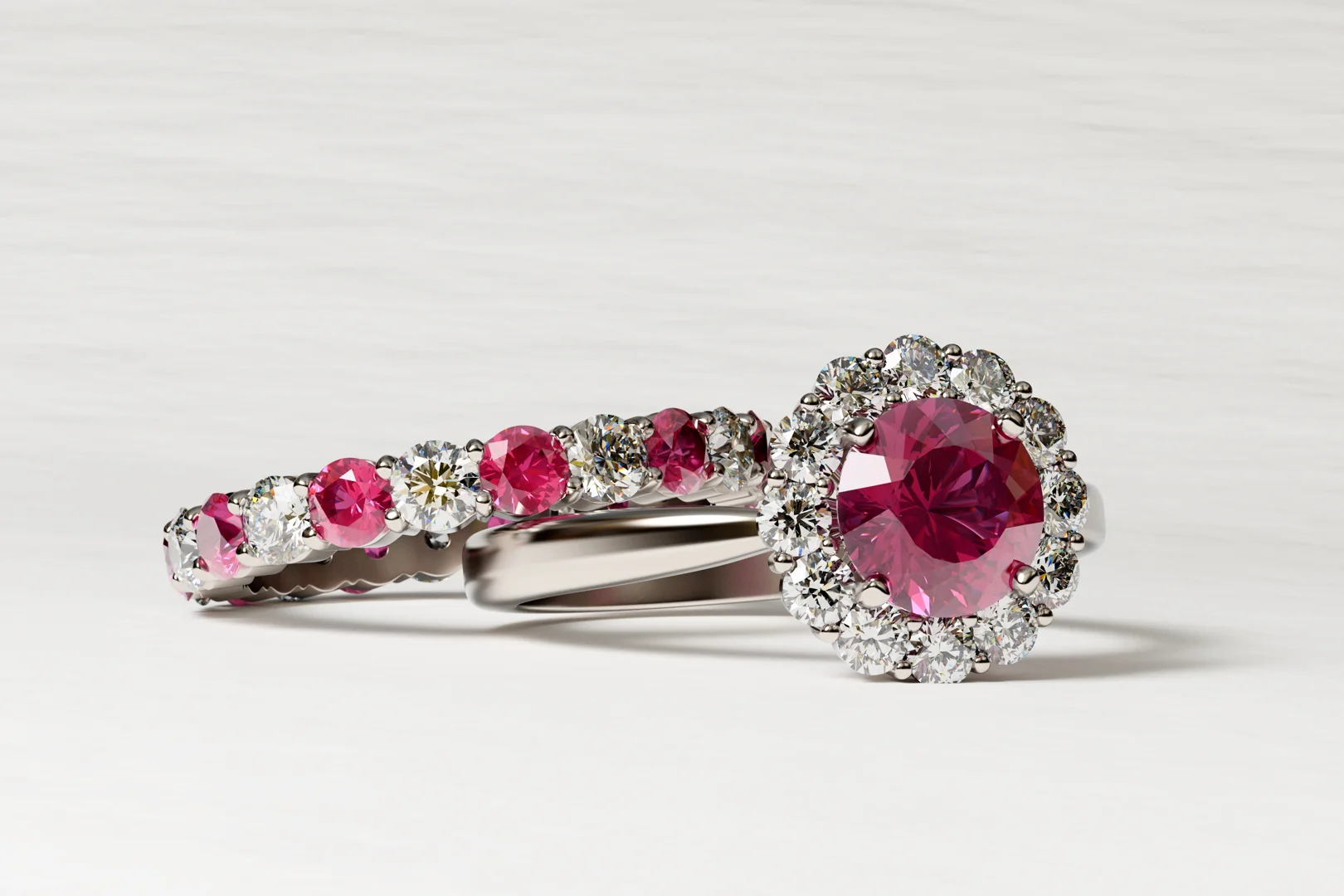
Colored gemstones, such as sapphires, rubies, and emeralds, are another option for a center stone. Prices vary by gemstone, quality, size, and origin, so they aren't automatically less expensive than diamonds.
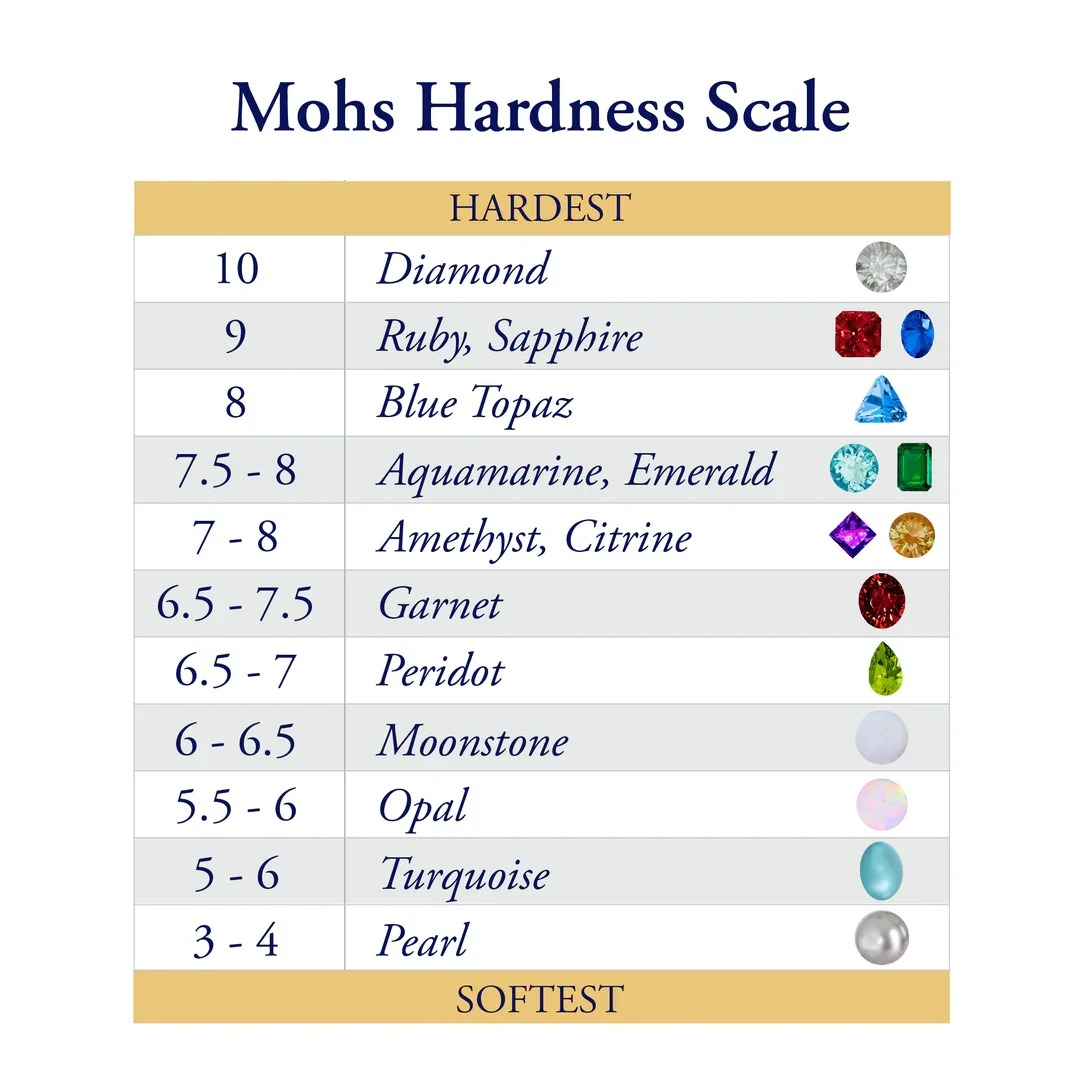
Durability is also important when choosing a gemstone for everyday wear. Stones with a Mohs hardness below 7 may be more susceptible to scratching from dust particles containing quartz, so they may require extra care. However, hardness is only one factor in durability; a gemstone's toughness, cleavage, and setting also affect its resistance to damage. Colored gemstones can also serve as accent stones, adding color to a design without replacing the center stone.
These materials aren't interchangeable, and the best choice depends on the look, longevity, and budget you have in mind.
For a more in-depth look at the best diamond alternatives, check out our blog The Best Diamond Alternatives.
Diamond Shape and Carat Weight
If you choose a diamond, its shape and carat weight can significantly affect the price.
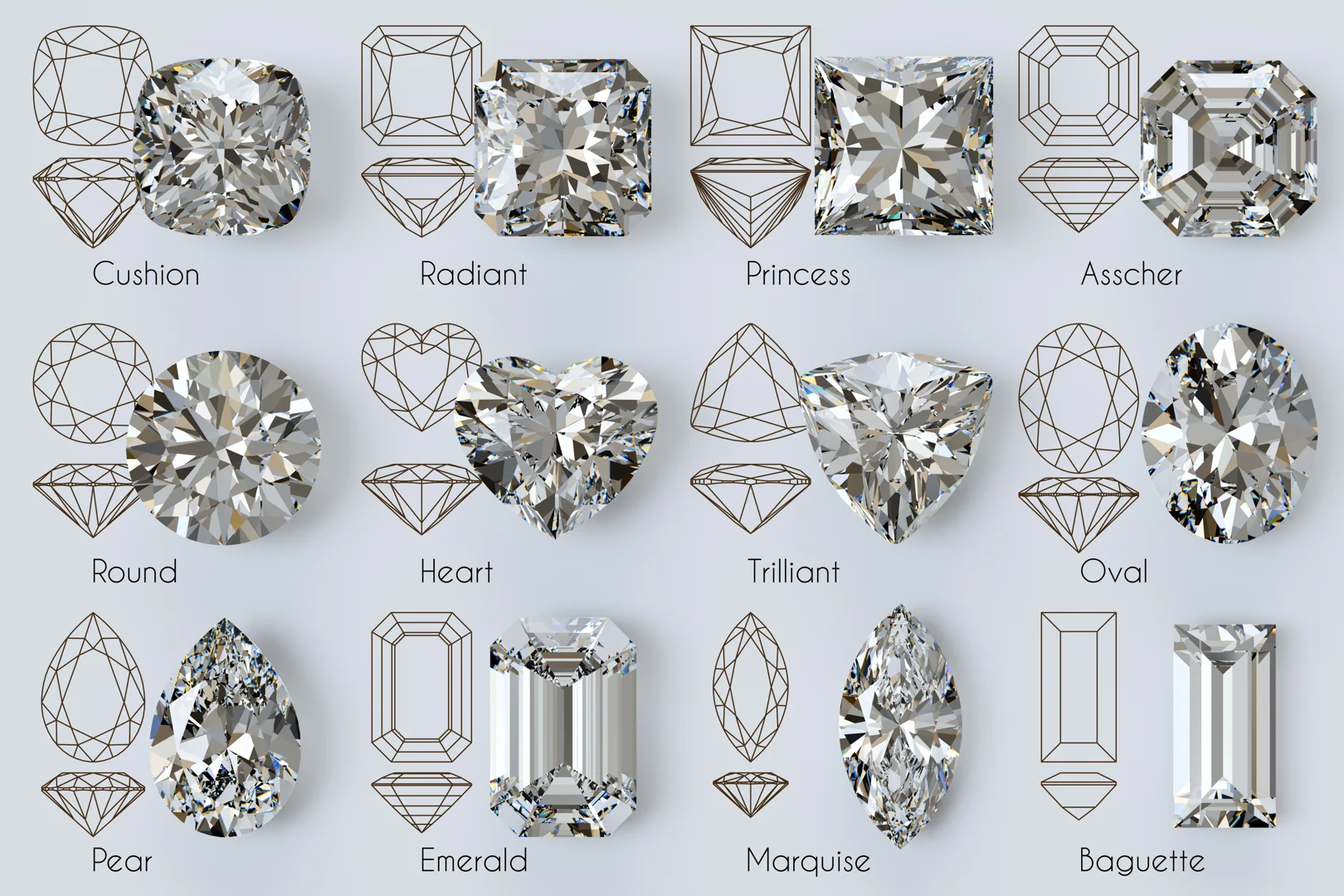
Round brilliant diamonds generally cost more than fancy shapes, such as oval, pear, emerald, and princess cuts, when comparing diamonds of similar carat weight and quality. Cutting a round diamond typically leaves less usable material from the original rough stone, which contributes to its higher price. Actual prices vary by diamond and market conditions.
Carat-weight thresholds can also affect pricing. Diamonds at popular weights, such as 1.00 carat, often command a higher price per carat than comparable stones just below that mark. Diamonds just below popular carat-weight thresholds, such as 0.90 carats instead of 1.00 carat, may offer savings. Compare their actual face-up measurements, cut quality, and overall price, since a smaller carat weight doesn't always translate to a noticeably smaller-looking diamond.
Plan for a Future Diamond Upgrade
You don't have to purchase your forever ring all at once. Starting with moissanite or another affordable gemstone can be a practical way to get the style you want now while leaving room in your budget for other priorities.
Later, an anniversary, milestone birthday, or other meaningful occasion could be an opportunity to upgrade the center stone to a diamond or another gemstone you've always wanted. You might keep the original stone for a different piece of jewelry, incorporate it into a new design, or preserve the original ring as a reminder of your early years together.
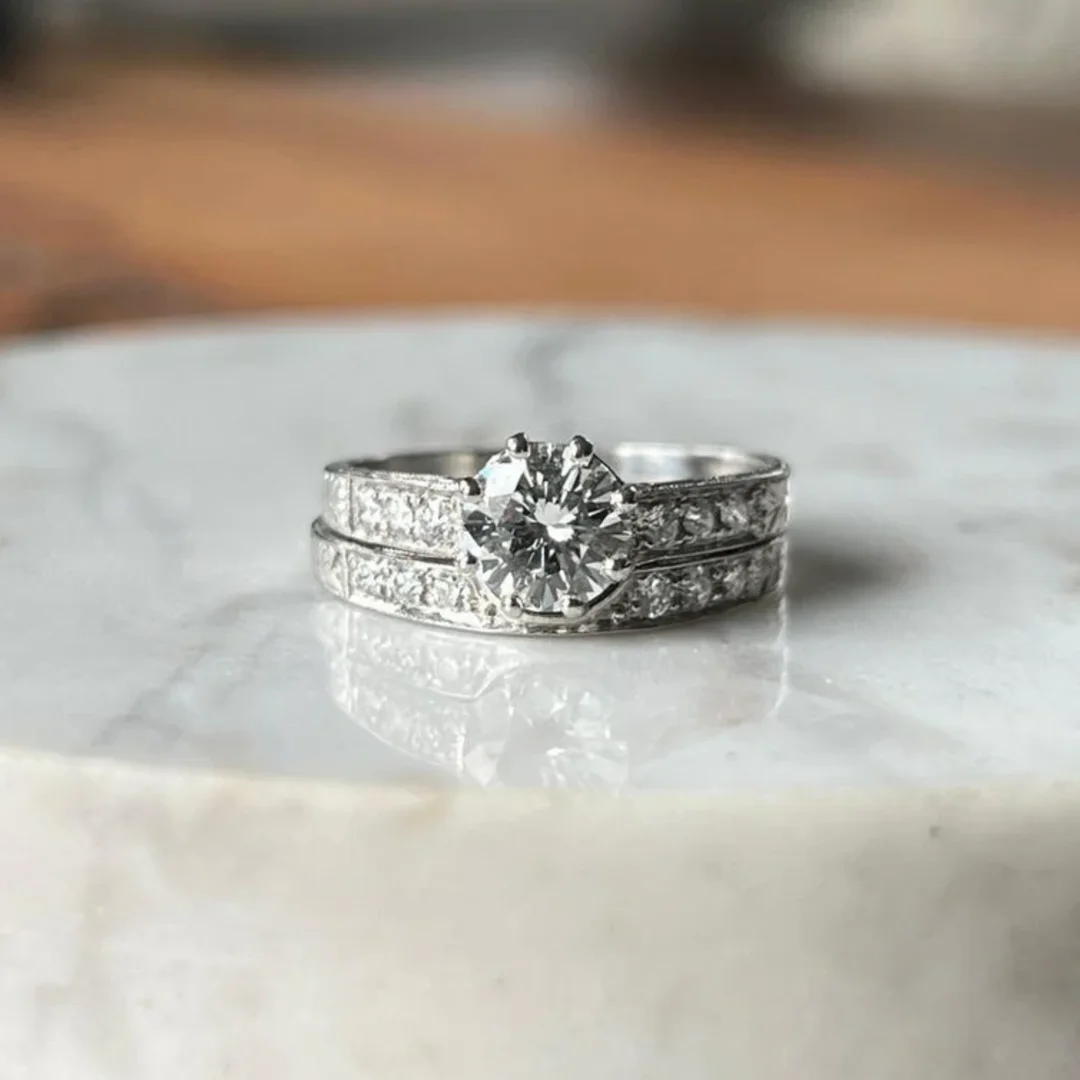
If an upgrade is part of your plan, consider choosing a setting that could accommodate a future center stone, subject to the setting's design and the replacement stone's dimensions. You can also ask a jeweler about the feasibility and cost of resetting the ring before making your initial purchase.
An upgrade isn't guaranteed to be straightforward or inexpensive, so it's worth discussing the plan early. Still, thinking ahead can help you choose an affordable engagement ring that works for both your current budget and your future goals.
2. Ring Setting: How Design and Construction Affect Price
A ring's setting includes both its overall design and the way its gemstones are secured. Some designs focus on a single center stone, while others incorporate additional gemstones, decorative metalwork, or distinctive band shapes. These choices affect the ring's appearance, materials, and construction costs.
When comparing affordable wedding sets, consider how much of your budget you want to allocate to the center stone versus the surrounding design.
Solitaire, Halo, and Side-Stone Designs
A solitaire features a single center stone without a halo or prominent side stones. Because it doesn't require additional accent gemstones, it can be a useful option if you'd prefer to put more of your budget toward the center diamond or another center stone.
A halo surrounds the center stone with smaller diamonds or gemstones, adding sparkle and making the center appear larger. Side-stone designs incorporate additional gems beside the center stone, creating a wider or more elaborate look.
_compressed.webp?alt=media&token=e94146c0-2364-4dbd-922a-f7e0b9f943f2 "user-inserted")
Other options include three-stone rings, vintage-inspired designs, and rings with split or twisted bands. Each can vary in complexity and price depending on the materials and details.
Neither a simple nor an elaborate design is automatically less expensive in every case. The total price depends on the gemstones, metal, and work required to create the ring. Additional stones and intricate details generally add to the cost.
For a more complete discussion of engagement ring setting styles, check out our blog Understanding the Different Styles of Engagement Ring Settings.
Pavé, Prong, and Bezel Details
The overall design is only one part of the setting. A ring's gemstones must also be secured using a particular setting technique. These techniques can be used in different combinations across many ring designs.
A prong setting holds a gemstone with small metal claws, leaving much of the stone exposed. A bezel setting surrounds the stone's edge with a rim of metal. Pavé describes a technique in which small gemstones are set closely together, often along a band, to create a continuous sparkle.
| Style or setting detail | Potential cost consideration |
|---|---|
| Simple solitaire | Requires no accent stones in the engagement ring, leaving more of the budget for the center stone and the wedding band |
| Halo design | Adds surrounding gemstones and additional setting work |
| Pavé band | Adds small stones and detailed setting labor |
| Prong setting | Uses metal claws to secure the center stone; cost depends on the design and construction |
| Bezel setting | Requires a shaped metal rim around the stone; cost depends on the metal and complexity |
These techniques aren't mutually exclusive design styles. For example, a halo ring may use prongs to secure its center stone and pavé to add small gemstones along the band.
The table offers only a few examples of common options. The best choice depends on your preferred appearance, budget, and how you plan to wear the ring.
Choose a Wedding Band That Complements the Engagement Ring
The wedding band is another part of the overall cost. A plain band may be less expensive than one with diamonds or other gemstones, while a custom-contoured band may require additional design and manufacturing work.
A simple band can balance an elaborate engagement ring, while a diamond-accented band can add sparkle to a more understated solitaire. You can also mix metal colors or textures to create a coordinated look without making both rings equally elaborate.
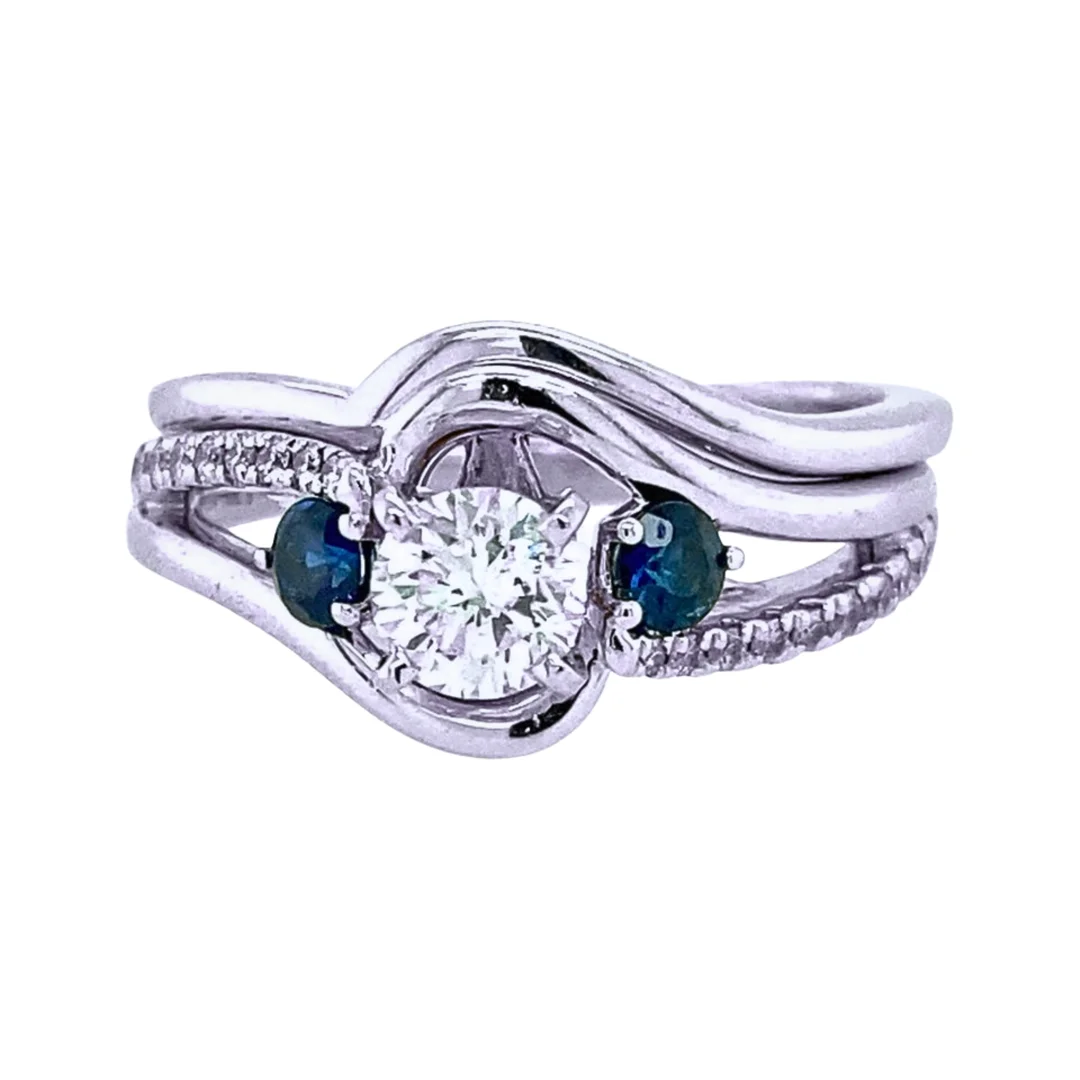
Buying a matching set can simplify the process because the rings are designed to work together. Buying the rings separately may provide more flexibility, but check how the band sits alongside the engagement ring and whether the two rings fit together as intended before purchasing. For more guidance, read our guide on how to pick a wedding band.
3. Metal Choice: Balance Price, Durability, and Maintenance
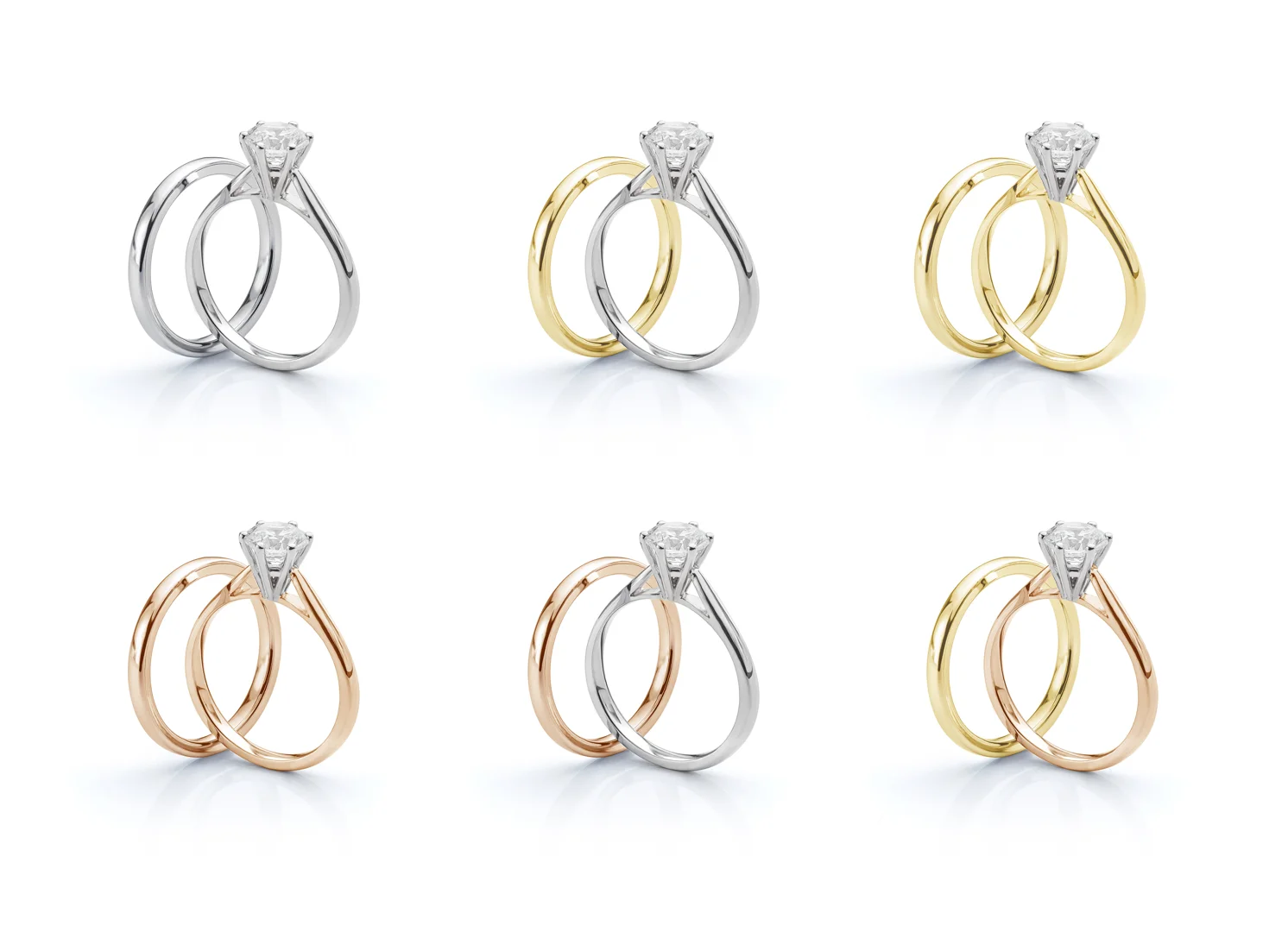
The metal affects the appearance, construction, and long-term care of a bridal set. Comparing materials can help you determine whether a lower initial price makes sense for how you plan to wear your rings.
Gold Karat and Color
Gold is available in different karat purities and colors. Higher-karat gold contains a greater proportion of pure gold, while lower-karat gold contains more alloying metals. These differences affect color, hardness, and other properties.
Yellow gold offers a traditional warm tone, white gold provides a lighter-colored finish, and rose gold has a pinkish hue. The price depends on factors such as gold content, ring weight, current metal prices, and the design.
White gold rings may also need periodic rhodium replating to maintain their bright white finish, depending on the alloy and original finish. This is a potential ongoing cost to consider when comparing metals.
If you're trying to stay within a budget, consider whether a simpler design in your preferred gold color would be a better fit than switching to a metal you don't particularly like. Gold karat also affects price: 10K gold generally costs less than 14K or 18K gold because it contains less pure gold, while 14K offers a balance of gold content, durability, and cost.
You can often find a gold purity stamp inside a ring band. Learn what the numbers stamped on jewelry mean to better understand the metal content of a piece.
Platinum, Sterling Silver, and Other Options
Platinum is a durable precious metal with a naturally white appearance, but it typically costs more than many gold options.
Sterling silver, often stamped 925, is a genuine precious metal with a bright, polished appearance and a lower price than gold or platinum. It can be an attractive option for shoppers looking to manage costs, although it tarnishes over time and may require more frequent cleaning and polishing. Sterling silver is also softer than many common engagement ring metals, so everyday wear can lead to scratches, dents, or changes in shape. If you choose silver for a bridal set, consider the ring's construction and how often you'll wear it, and ask about appropriate care and repair options.
Titanium and stainless steel can be affordable alternatives for certain ring styles. Both are known for their durability, but their appearance, weight, and available designs differ from traditional precious metals. Resizing and repair options can also be limited, particularly for titanium, so consider whether the ring can be serviced if your needs change. These metals may be worth exploring for budget-conscious shoppers, but check with the jeweler about long-term wear and repair options before choosing one for an everyday engagement ring.
| Metal | Affordability consideration | Maintenance and practical considerations |
|---|---|---|
| 10K gold | Generally less expensive than higher-karat gold of comparable weight and design | Lower gold content; generally harder than comparable higher-karat gold alloys |
| 14K gold | Often a practical balance of gold content, durability, and cost | Suitable for many everyday rings; routine cleaning and inspections are recommended |
| 18K gold | Higher gold content generally increases material cost | Generally softer than comparable lower-karat gold alloys; care depends on the alloy and design |
| Platinum | Typically a higher initial investment | Durable, but can develop scratches and patina; polishing can restore a brighter finish |
| Sterling silver | Often a lower-cost precious-metal option | Tarnishes and may need more frequent cleaning and polishing; softer than many common engagement-ring metals |
| Titanium or stainless steel | Can be economical for certain designs | Resizing and repair options vary by metal, alloy, and ring construction |
Actual prices depend on metal weight, design, market conditions, and the specific alloy. Consider the complete ring rather than choosing a metal based on price alone.
4. Repurpose Existing Jewelry to Create a Wedding Ring Set
One of the most personal ways to manage the cost of a bridal ring set is to look at the jewelry you already own. An inherited ring, an outdated engagement ring, or gold jewelry you no longer wear may contain materials that can be incorporated into a new design.
Repurposing jewelry can reduce the need to purchase new materials while preserving a meaningful connection to your family or personal history.
Reset Existing Diamonds and Gemstones
A diamond or colored gemstone from an older ring may be suitable for a new engagement ring setting. A jeweler can evaluate its condition, shape, and dimensions to determine whether it can be safely removed and reset.
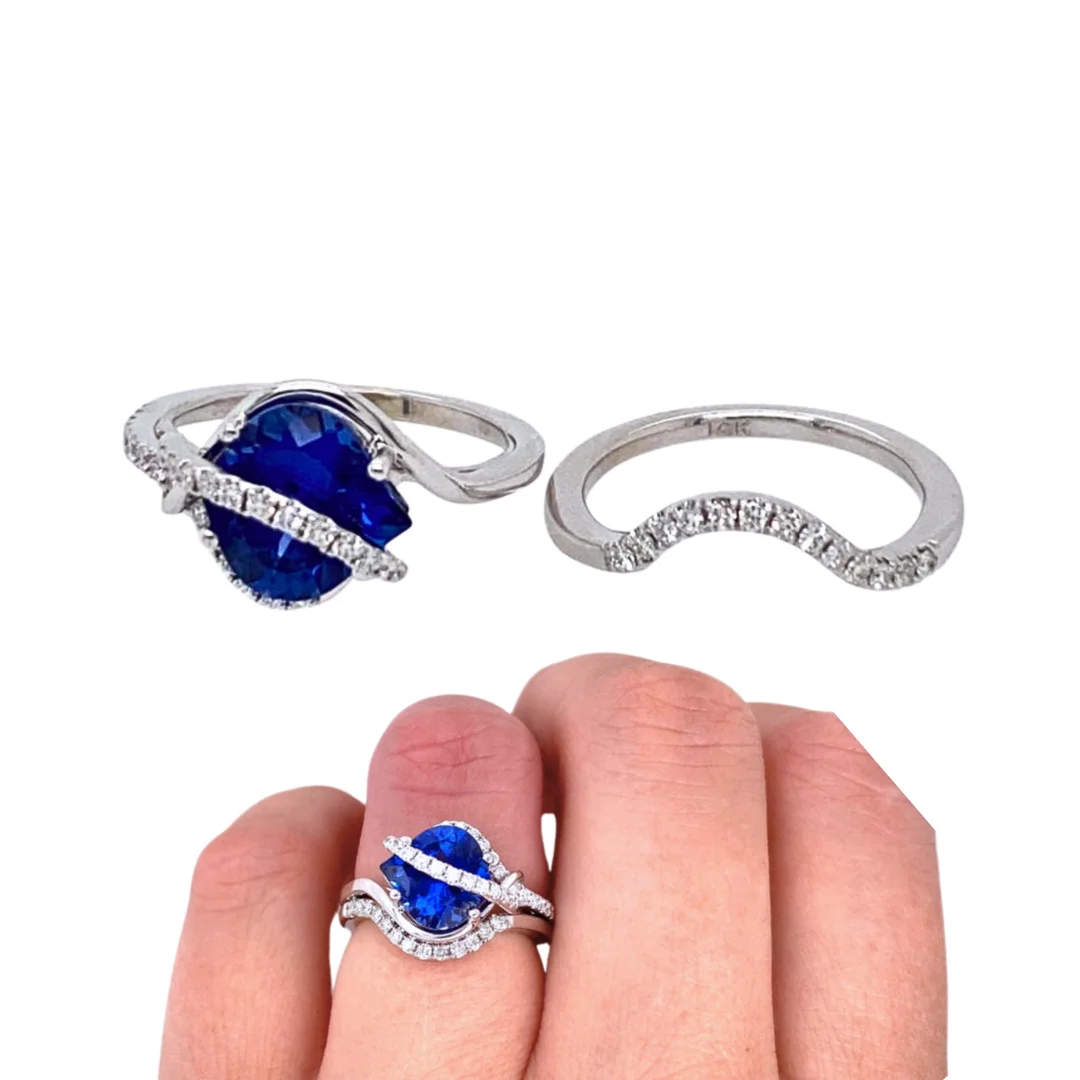
You might preserve an heirloom diamond while changing the mounting, add complementary accent stones, or create a new wedding band designed to fit the redesigned engagement ring.
This can be particularly appealing if you love the stone itself but no longer wear the original setting.
Reuse Gold and Redesign Heirloom Rings
Existing gold jewelry may also have value as a source of material for a new design. However, reusing metal is more complicated than simply melting down an old ring and turning it into a new one.
The jeweler needs to assess the alloy, weight, condition, and suitability of the metal. Refining, testing, and adding new material may be necessary, and some projects are better suited to reusing the gemstone while purchasing new metal for the setting.
Before assuming that melting down old jewelry will save money, ask about the different options and their costs. If reusing the metal isn't cost-effective, consider selling unwanted jewelry to Nelson Coleman Jewelers and putting the proceeds toward your wedding ring set.
When Repurposing May Not Save Money
Repurposing can be cost-effective when you already own a suitable gemstone or valuable metal, but it isn't automatically cheaper than buying a new ring. Stone removal, repairs, custom design, refining, and labor all affect the final price.
The best first step is to have your existing jewelry evaluated and discuss your budget with a jeweler. You may find that resetting a gemstone, redesigning an heirloom ring, or combining old and new materials gives you the best balance of cost and personal meaning.
If you'd like to explore the possibilities, read our guide to creating a custom engagement ring.
5. Custom Design vs. Ready-Made Wedding Sets
The choice between a ready-made set and a custom design can affect both the initial cost and the flexibility you have when selecting materials and features.
When a Ready-Made Set Offers Good Value
Ready-made wedding sets are designed as coordinated pairs, so you don't have to start by selecting an engagement ring and then searching for a compatible band. They can be a convenient option if you find a style you like and want a clear understanding of the rings you're purchasing.
When comparing sets, check what is included and review the specifications of both rings. A lower advertised price may reflect differences in center stone, metal, accent stones, or construction.
You can also compare the price of a coordinated set with the cost of purchasing similar rings separately. Neither approach is automatically less expensive, so evaluate the complete combination.
How Customization Can Help You Prioritize Your Budget
Custom design allows you to decide which features deserve the most attention. You might choose a simpler setting to allocate more money to the center stone, use an existing gemstone, or design a wedding band that complements a ring you already own.
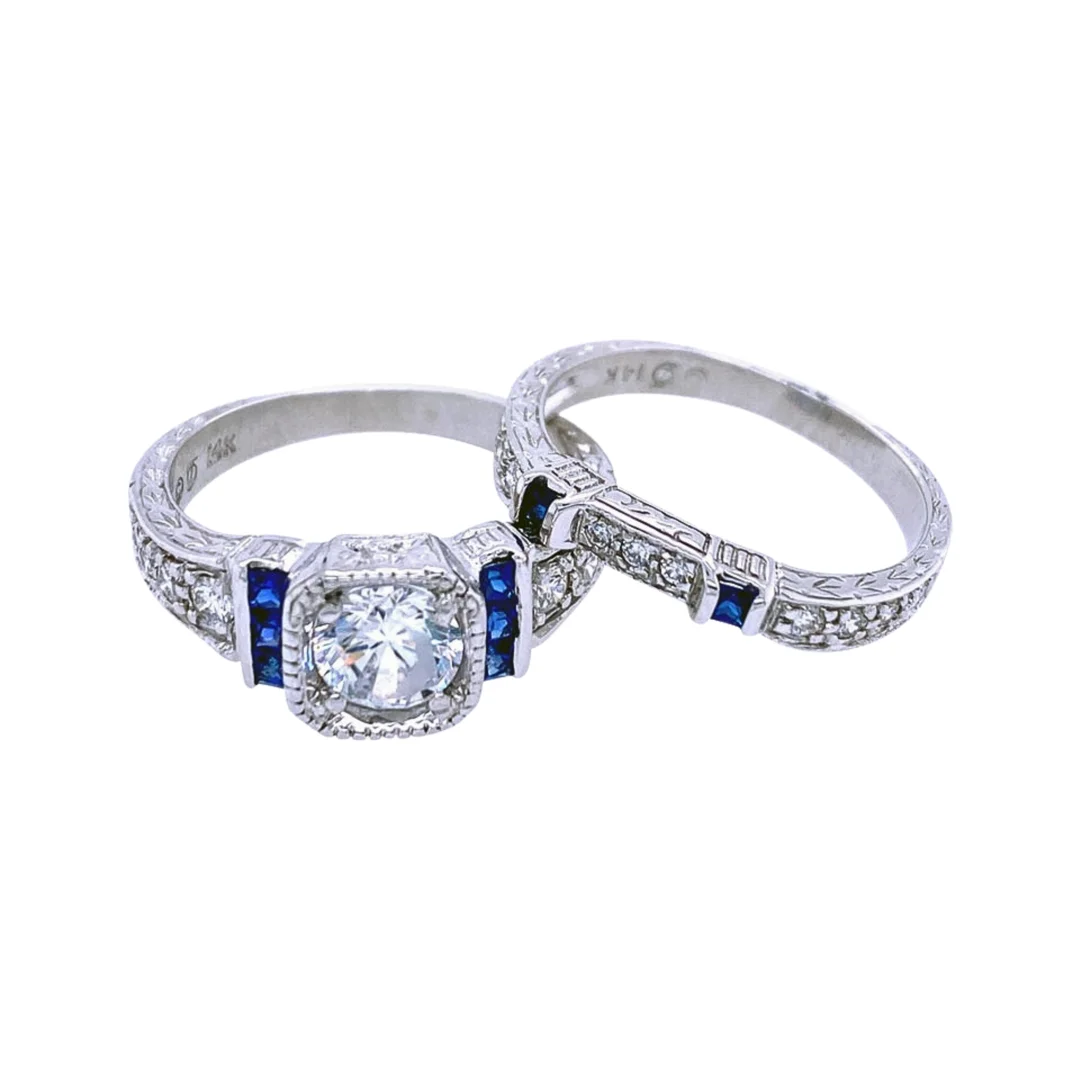
Custom work can involve additional design and labor costs, but it doesn't necessarily mean choosing the most elaborate or expensive option. The final price depends on the materials, complexity, and work required.
If you're considering custom jewelry but aren't sure whether it fits your budget, our article on five myths about custom jewelry design addresses common assumptions about the process.
Other Costs to Consider Before Buying
The purchase price is only one part of owning a wedding set. A few practical considerations can help you avoid unexpected costs later.
- Ring sizing: Accurate sizing matters, especially when ordering online or purchasing a surprise gift. Wide bands may fit more snugly than narrow bands, and full-eternity rings or intricate designs can be difficult or impossible to resize.
- Maintenance: Rings worn daily may need periodic cleaning and professional inspections. Prongs, accent stones, and other setting components can wear or become damaged over time.
- Repairs and warranties: Review any available warranty coverage and understand which services or repairs are included.
- Returns and exchanges: Check the seller's policies before purchasing, particularly for custom rings or pieces with special sizing.
- Future modifications: If you expect to upgrade a center stone or redesign the ring later, ask whether the current setting can accommodate those changes.
These details are worth considering alongside the initial price because the least expensive ring today may not be the most economical choice for your intended use.
Frequently Asked Questions About Affordable Wedding Sets
What Is Included in an Affordable Wedding Set?
A wedding set typically includes an engagement ring and a matching wedding band. The rings may share design details or be shaped to sit together comfortably. Always check the product description to confirm which pieces are included.
Are Affordable Wedding Sets Durable Enough for Everyday Wear?
Durability depends on the gemstone, metal, setting construction, and how the rings are worn and maintained. Diamonds and moissanite are highly scratch-resistant, but the metal and setting can still wear or become damaged. Choose a design suited to your lifestyle and have frequently worn rings inspected regularly.
Is It Cheaper to Repurpose Old Jewelry Than Buy a New Set?
It can be, particularly if you already own a suitable gemstone or precious metal. However, labor, repairs, refining, and custom design affect the final price. A jeweler can evaluate your existing jewelry and explain which options make sense for your budget.
Can I Start With Moissanite and Upgrade to a Diamond Later?
Potentially, yes. You can start with a moissanite or another gemstone and consider a diamond upgrade for an anniversary or another milestone. If you plan to change the center stone later, ask about the setting's compatibility with a future replacement and the potential cost of resetting it.
Is a Custom Wedding Set More Expensive Than a Ready-Made Set?
Not necessarily, but custom design isn't automatically less expensive either. The final cost depends on the materials, stones, complexity, and labor involved. A straightforward design using an existing gemstone may have very different costs from an intricate ring made with newly purchased diamonds.
Find an Affordable Wedding Set That Reflects Your Style
The best affordable wedding set balances your priorities, budget, and plans for the future. A simple setting may leave more room in your budget for a center stone you love, while moissanite or another gemstone can offer a beautiful starting point if you'd prefer to upgrade later.
Repurposing an heirloom or choosing a custom design may also help you create a bridal set that reflects your style. Compare materials, craftsmanship, and long-term care before deciding which options offer the best value for you.
Take time to compare your options and ask questions about materials, craftsmanship, and long-term care. With thoughtful choices, you can find a bridal set that feels personal today and gives you flexibility for the milestones still to come.


