

Why 2 Carat Oval Lab Grown Diamonds Are Winning the Ring Game
Why a 2 Carat Oval Lab Grown Diamond Stands Out
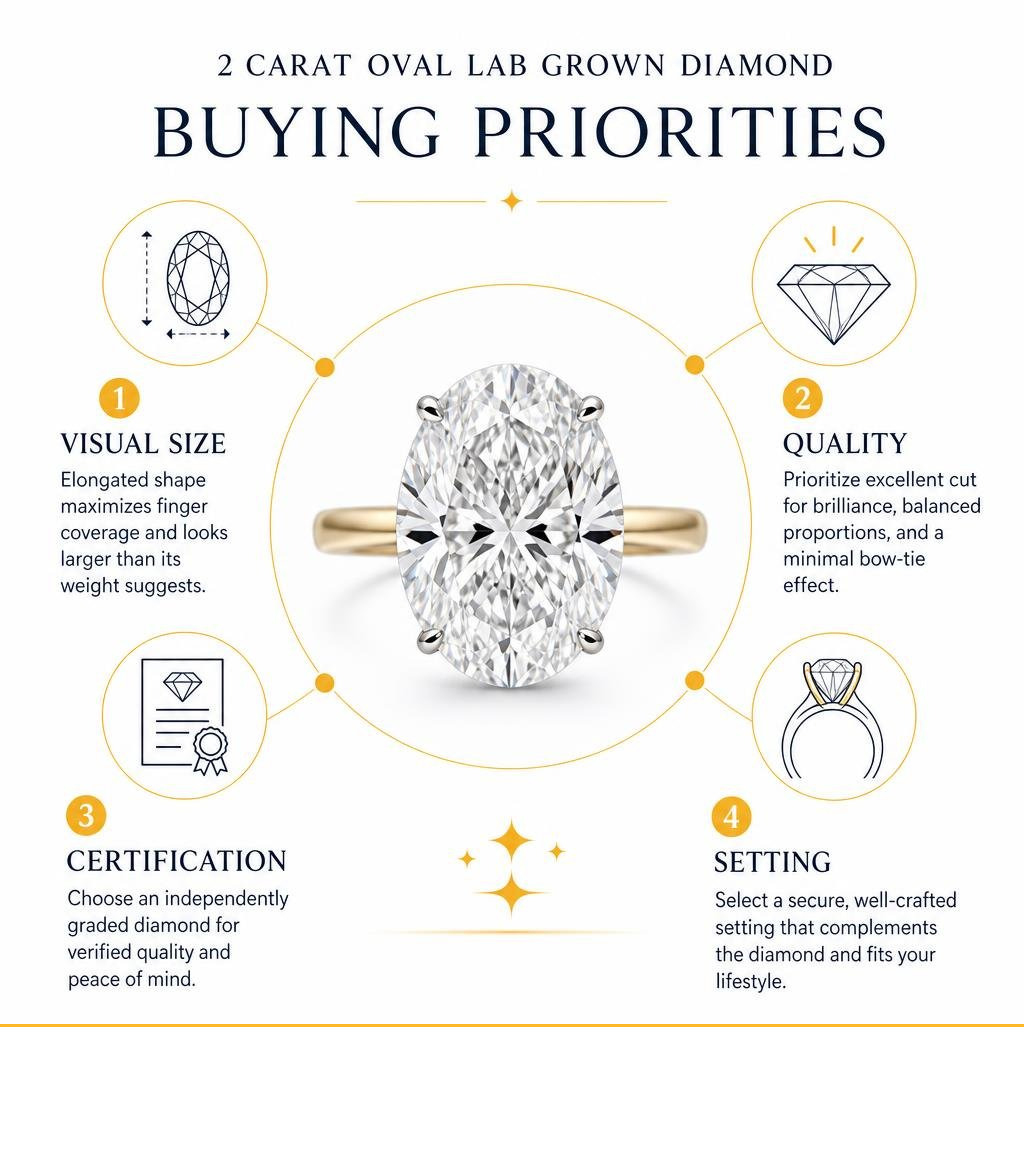
A 2 carat oval lab grown diamond offers a large, bright center stone with strong finger coverage at a far lower upfront cost than a comparable natural diamond. Its elongated outline can look larger than its weight suggests, while its lab-created origin gives buyers room in the budget for a better cut, higher color or clarity, a custom setting, or a meaningful piece of complementary jewelry.
For the best result, focus on an oval with balanced proportions, attractive light return, and minimal bow-tie contrast across its center. Ask for an independent grading report, view the diamond in varied lighting, and choose a setting that suits how you plan to wear it.
Oval diamonds have become a modern bridal favorite for good reason: they blend the soft shape of a round stone with a lengthening effect that many people love on the hand. Lab-grown diamonds are real diamonds with the same core chemical and physical properties as mined diamonds, but they commonly cost 70% to 85% less at comparable size and quality.
At Nelson Coleman Jewelers, our sixth-generation family business has helped clients choose, design, restore, and celebrate meaningful jewelry for more than 165 years. We can help you evaluate a 2 carat oval lab grown diamond with clear guidance, thoughtful craftsmanship, and an eye toward a ring that feels personal.
What Is an Oval Lab-Grown Diamond and How Is It Made?
A lab-grown diamond is chemically, physically, and optically identical to a mined diamond. Instead of forming deep within the Earth over billions of years, these gems are created inside high-tech growth chambers that replicate natural geological forces.
When you examine modern lab grown diamonds, you are looking at pure crystalline carbon arranged in an isometric crystal lattice. They exhibit the same hardness of 10 on the Mohs scale, the same refractive index of 2.42, and the same dispersion of light as natural diamonds.
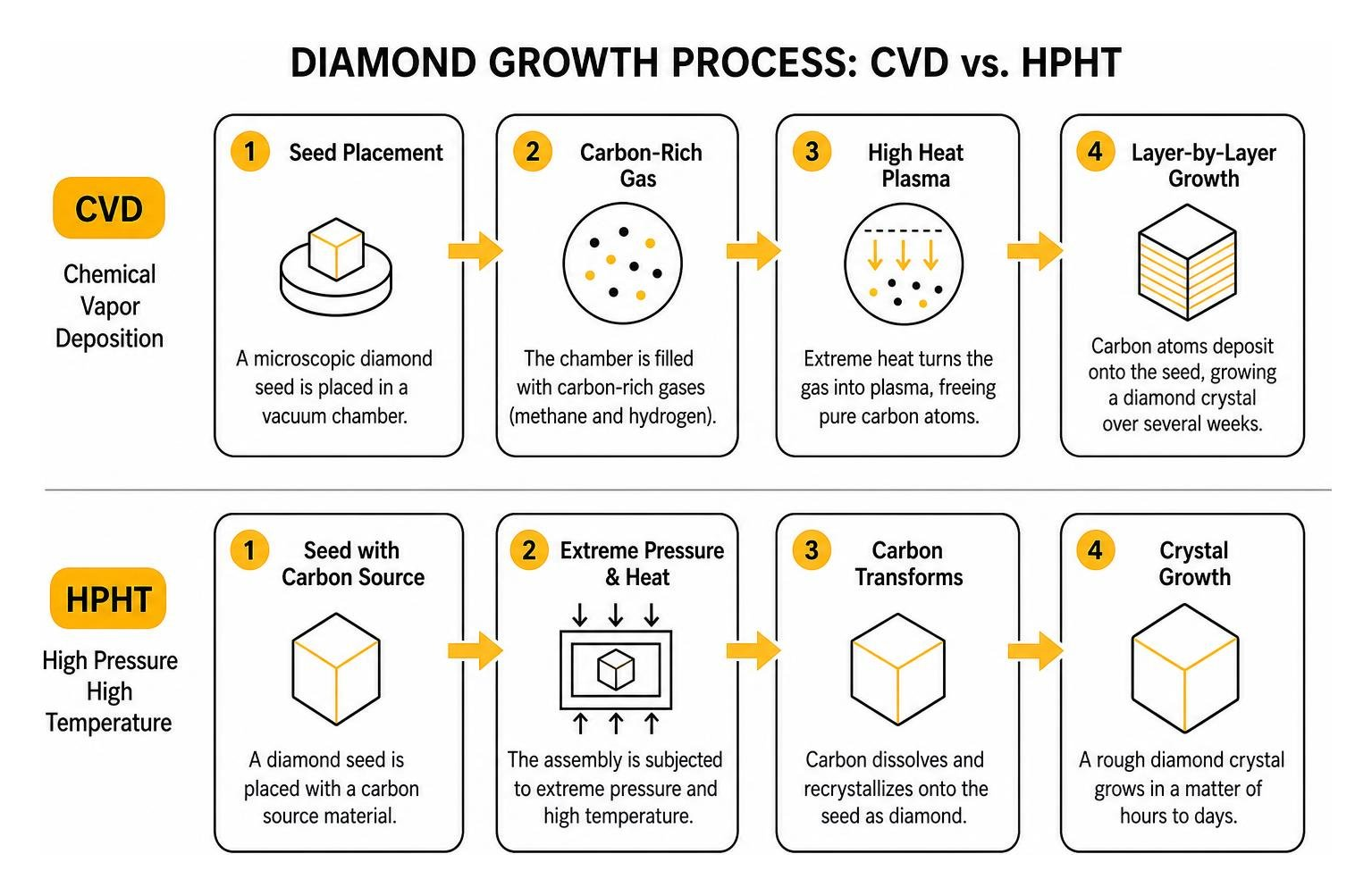
Lab-grown diamonds are produced using two primary methods: Chemical Vapor Deposition (CVD) and High Pressure High Temperature (HPHT). Both methods produce genuine diamonds, although the growth process and resulting characteristics can vary. The infographic below provides a visual overview of how diamond growth works.
Learn more about lab-grown diamonds in our blog For the Love of Lab Grown.
Visual Spread and Brilliance: The Oval Advantage
The oval cut is a modified brilliant cut that combines the sparkle of a round diamond with an elongated shape. Because of its outline and proportions, a 2 carat oval can offer more visible surface area than a round brilliant of the same carat weight, although the difference depends on the dimensions of the individual stones.
The elongated shape creates a lengthening effect on the finger, while the facet arrangement influences how light moves across the stone. Some oval diamonds display a dark bow-tie pattern across their center facets. Its visibility varies from stone to stone, so look for an oval with attractive light return and minimal distracting contrast across the center.
Evaluating Quality in a 2 Carat Oval Lab Grown Diamond
Selecting an outstanding diamond requires balancing visual brilliance with the classic 4Cs: Cut, Color, Clarity, and Carat weight. While natural diamonds often force buyers to compromise on clarity or color to reach a 2-carat size, the accessibility of lab-created stones lets you focus entirely on beauty.
For an in-depth breakdown of these fundamentals, check out our guide on how to buy a diamond.
The 4Cs of Oval Cuts: Proportions and Ratios
Evaluating an oval cut differs from evaluating a round diamond because gemological laboratories generally do not assign an overall cut grade to fancy shapes such as ovals. Instead, compare the stone's proportions and examine its visual performance:
- Length-to-Width (L/W) Ratio: Many classic ovals fall between 1.35 and 1.50. A ratio closer to 1.35 creates a fuller silhouette, while a ratio closer to 1.50 produces a more elongated outline. The best choice comes down to personal preference.
- Table Percentage: Table percentages around 53% to 63% can serve as a starting point for comparison, but the table should be evaluated alongside the stone's other proportions and light performance.
- Depth Percentage: Depth percentages around 58% to 62% can also serve as a starting point. However, no single depth percentage guarantees attractive light performance or maximum face-up size.
- Clarity: Some eye-clean diamonds in the VS and SI clarity ranges can offer excellent value. Examine each stone individually rather than assuming a particular grade will guarantee an inclusion-free appearance.
- Color: F and G color grades can provide a bright, near-colorless appearance, while lower grades may also offer excellent value depending on the stone and setting. Compare diamonds in person or through reliable imagery before paying a premium for a higher grade.
Diamond Certification and Authenticity Verification
Never purchase a significant diamond without a trusted certificate from an independent gemological laboratory, such as the International Gemological Institute (IGI) or the Gemological Institute of America (GIA).
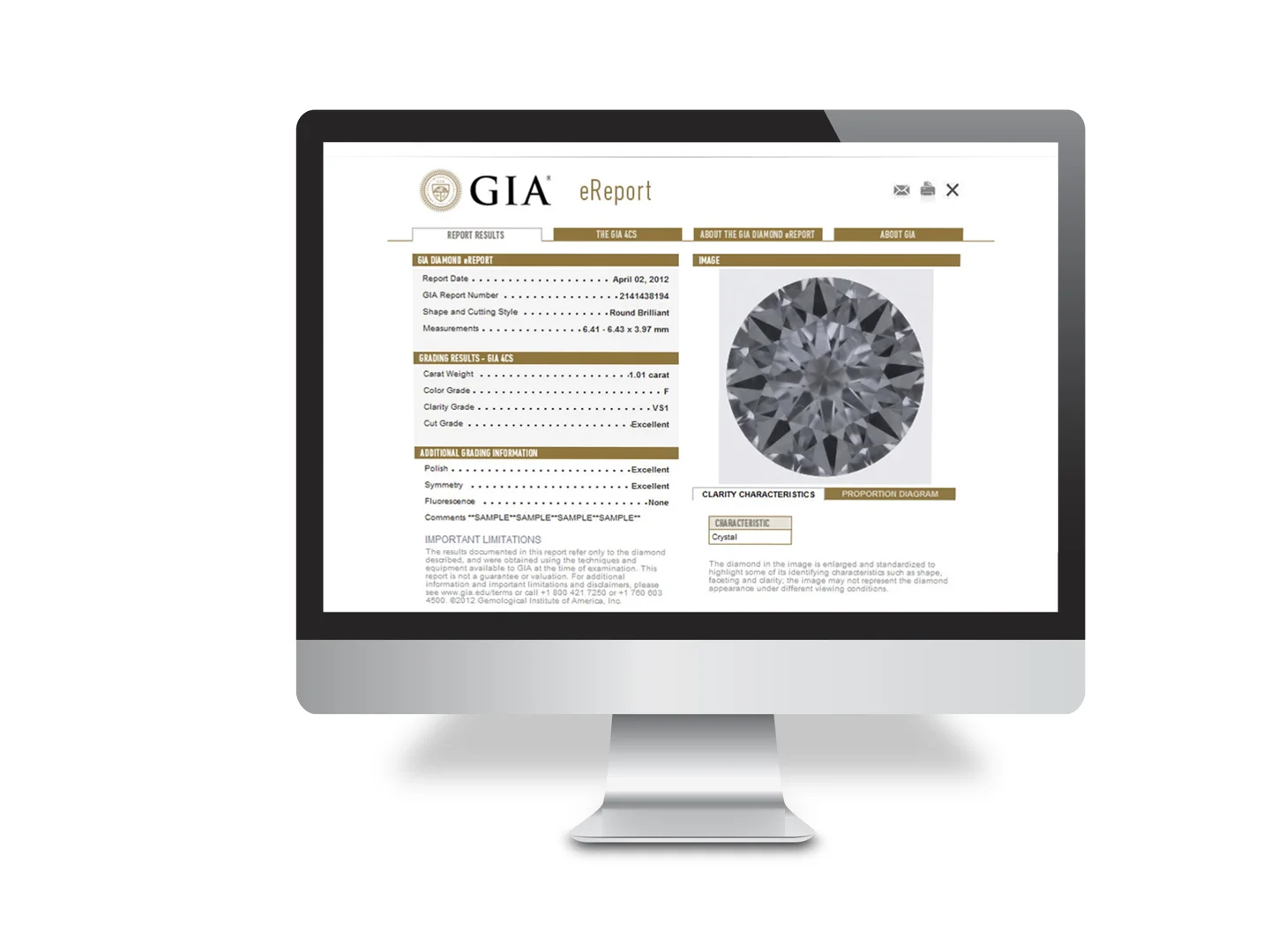
These reports verify the exact grading specs, growth method, and measurements of the stone. Reputable grading labs also apply a microscopic laser inscription onto the diamond's girdle, matching the serial number on the physical grading report so you can confirm the identity of your loose diamond.
Lab-Grown vs. Natural Diamonds: Price, Value, and Resale
The decision between lab-grown and mined diamonds comes down to personal priorities, budget, and philosophy. Today's couples frequently choose lab diamonds because they deliver substantial savings, allowing for a much larger stone or an intricate ring setting within the same budget.
| Feature | 2 Carat Oval Lab Grown Diamond | 2 Carat Oval Natural Diamond |
|---|---|---|
| Average Cost | Generally substantially less than a comparable natural diamond | Generally higher, depending on quality and grading |
| Chemical Composition | 100% Crystallized Carbon | 100% Crystallized Carbon |
| Mohs Hardness | 10 (Maximum Durability) | 10 (Maximum Durability) |
| Optical Properties | Same fundamental optical properties as natural diamonds | Same fundamental optical properties as lab-grown diamonds |
| Resale Value | Resale prices are often substantially below original retail prices | Resale prices can also be below original retail prices and vary by stone |
| Sustainability & Origin | Created in a laboratory | Formed naturally within the Earth |
Price Ranges and What Influences the Cost
Lab-grown diamonds generally cost substantially less than natural diamonds of comparable size and quality, although prices vary with market conditions and individual stone characteristics. The pricing of lab-grown diamonds is influenced by several factors:
- Growth Quality and Characteristics: Color, inclusions, and other growth-related features affect the quality and appearance of the finished diamond.
- Precision Cutting: Proportions, symmetry, and light performance influence how attractive an oval looks face-up.
- Color and Clarity Grades: Higher color and clarity grades generally command higher prices, while near-colorless and eye-clean options can offer excellent value.
Best Settings and Ring Styles for Oval Diamonds
Because oval diamonds have rounded edges without sharp points, they are durable and versatile in a wide range of mounting styles.
Setting Styles for Your 2 Carat Oval Lab Grown Diamond
When choosing a setting for your 2 carat oval lab-grown diamond, consider how the mounting complements the stone's elongated profile and suits your personal style. Whether you're shopping for an engagement ring or creating a custom piece of diamond jewelry, these popular designs offer different ways to showcase an oval:
- Classic Solitaire: A four-prong or six-prong setting lets maximum light enter the stone, highlighting the center diamond's natural brilliance.
- Hidden Halo: A delicate row of pavé diamonds resting beneath the center gem provides a subtle sparkle from the profile view without overwhelming the oval shape.
- Three-Stone Mountings: Framing a 2 carat oval with pear-shaped, tapered baguette, or round side stones adds finger coverage and balanced geometry.
- East-West Orientation: Mounting the oval horizontally across the finger offers a fresh, modern aesthetic.
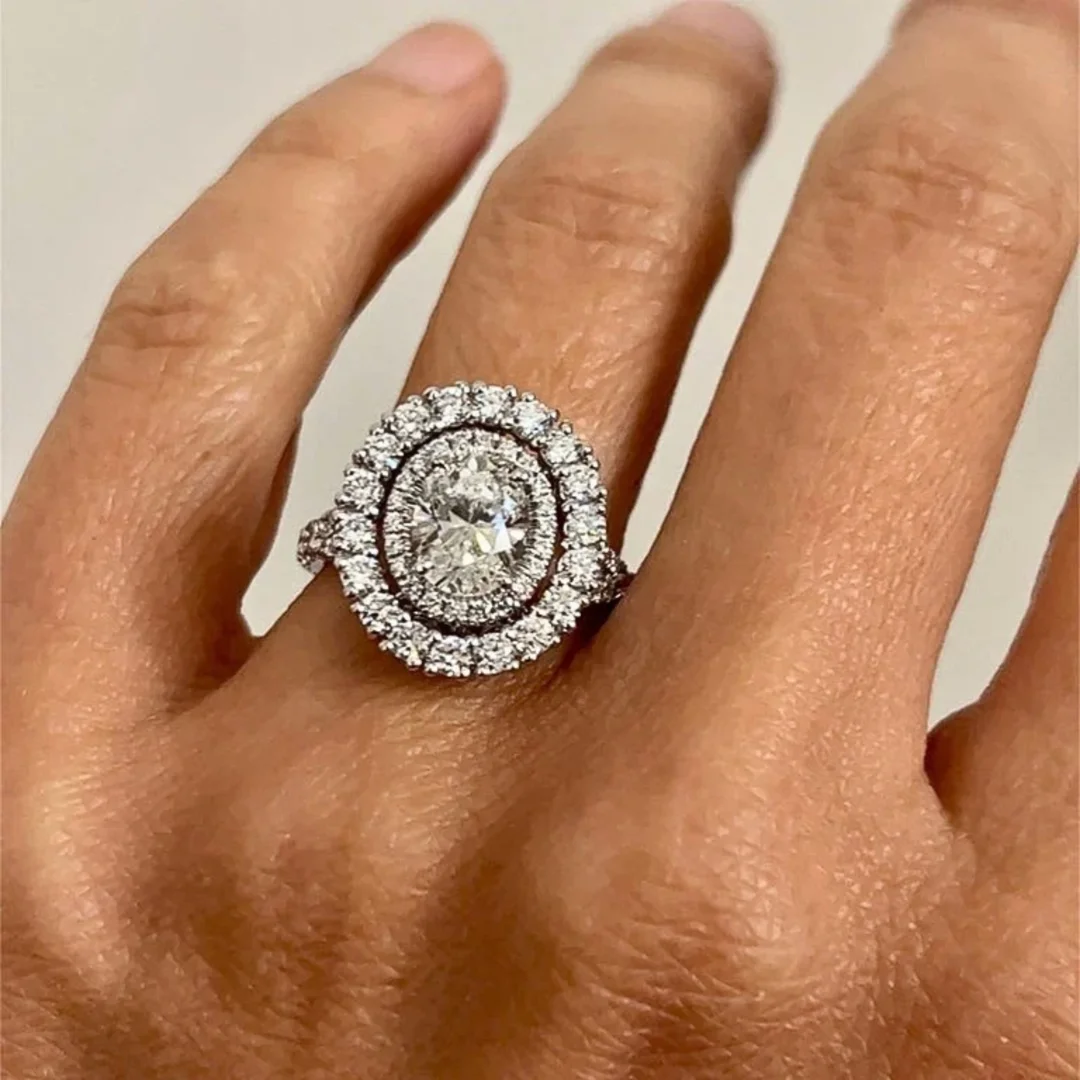
Check out our blog Understanding Different the Different Styles of Engagement Ring Settings for an in-depth look at engagement ring styles.
Custom Ring Design and Matching Bands
If you want a bespoke setting tailored to your personal taste, designing a piece from scratch gives you complete control over every detail.
Through custom engagement rings, you can select your preferred precious metal—such as durable platinum, warm yellow gold, or romantic rose gold—and ensure your engagement ring sits perfectly flush against your wedding band.
Frequently Asked Questions About 2 Carat Oval Lab Diamonds
Will a 2 carat oval lab diamond test as a real diamond?
Yes. Lab-grown diamonds have the same fundamental physical and chemical properties as natural diamonds, so standard diamond testers generally identify them as diamonds. Specialized gemological testing may be needed to determine whether a diamond was grown in a laboratory or formed naturally.
What is the ideal length-to-width ratio for a 2 carat oval?
The classic ratio preferred by most buyers is between 1.35 and 1.50. A 1.35 ratio offers a slightly wider, fuller look, while ratios above 1.45 create a visibly elongated, slender silhouette.
Do lab-grown oval diamonds get cloudy or change over time?
Lab-grown diamonds do not naturally become cloudy or lose their brilliance over time. Like natural diamonds, they can accumulate oils and residue from everyday wear, which can temporarily affect their appearance. Regular cleaning helps restore their sparkle, while proper care and occasional professional inspection help keep the setting secure.
Conclusion
A 2 carat oval lab-grown diamond delivers a striking blend of timeless elegance, generous face-up size, and exceptional value. By pairing the elongated brilliance of the oval shape with the accessible price point of lab-grown diamonds, you can find a stone that fits your style and budget without compromising on beauty.
If you are exploring your options and want to see how this cut compares to other silhouettes, read our guide on what are the different diamond shapes to discover the right match for your style.


