

Is Permanent Jewelry Right for You? A Guide to Materials, Fit, and Care
Is Permanent Jewelry Right for You?
Permanent jewelry offers a simple way to wear a meaningful piece every day. Instead of a traditional clasp, a small connecting ring is welded closed to create a bracelet that stays on your wrist. Some people choose permanent bracelets to celebrate a friendship, family bond, anniversary, or personal milestone. Others simply like the clean look of a chain without a clasp.
Before choosing a permanent bracelet, it's worth considering more than its appearance. The metal, chain style, fit, and care requirements all affect how well it suits your everyday routine. Understanding these factors will help you choose a piece you'll enjoy wearing, whether you're marking a special occasion or adding a little something extra to your daily jewelry.
How Does Permanent Jewelry Work?
The permanent jewelry process starts with choosing a chain and determining the right fit. The jeweler measures the chain around your wrist, ankle, or neck, then trims it to the appropriate length. The two ends are brought together using a small metal jump ring, which serves as the connection point.
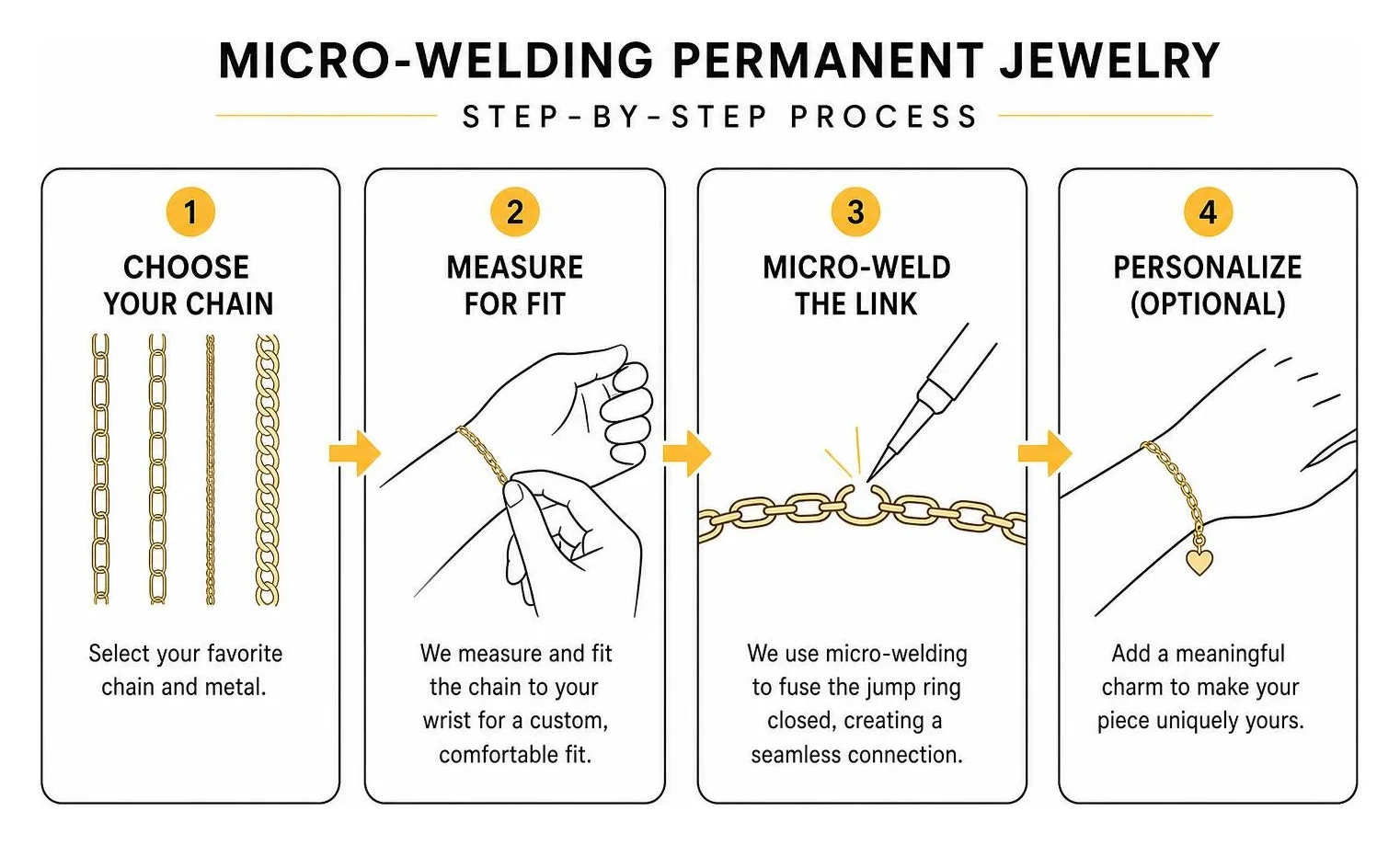
To close the chain, the jeweler positions the jump ring in a specialized micro-welding device. A brief electrical pulse creates an arc that fuses the metal ends together, closing the ring without a traditional clasp. A protective barrier is placed between the jewelry and your skin during the process. The jeweler then checks the connection to make sure it is secure and smooth.
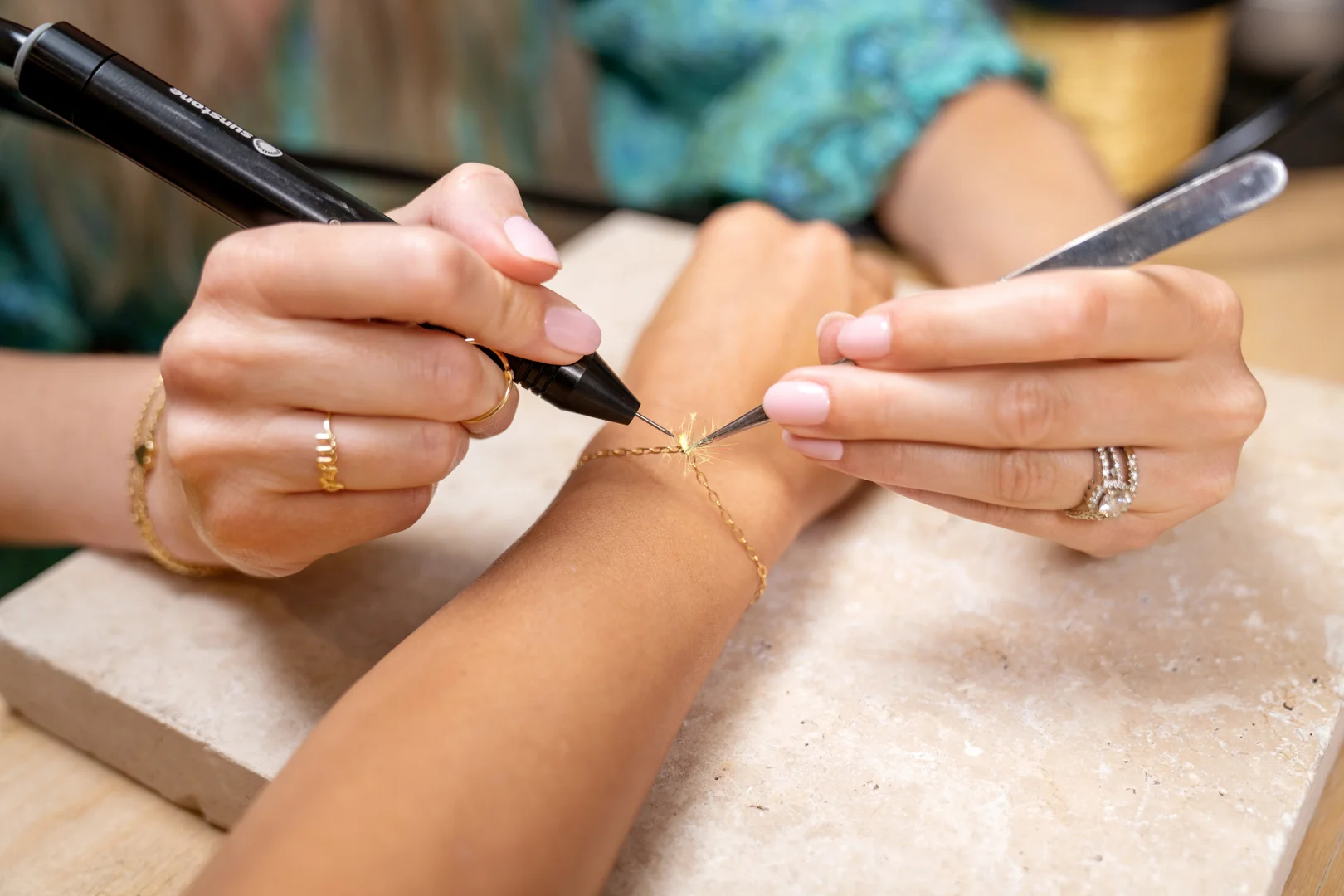
The process typically takes only a few minutes once you've chosen your chain and confirmed the fit. Because the connection is welded closed, the bracelet can be worn continuously without fastening or unfastening a clasp each day.
Choosing the Right Metal for Permanent Jewelry
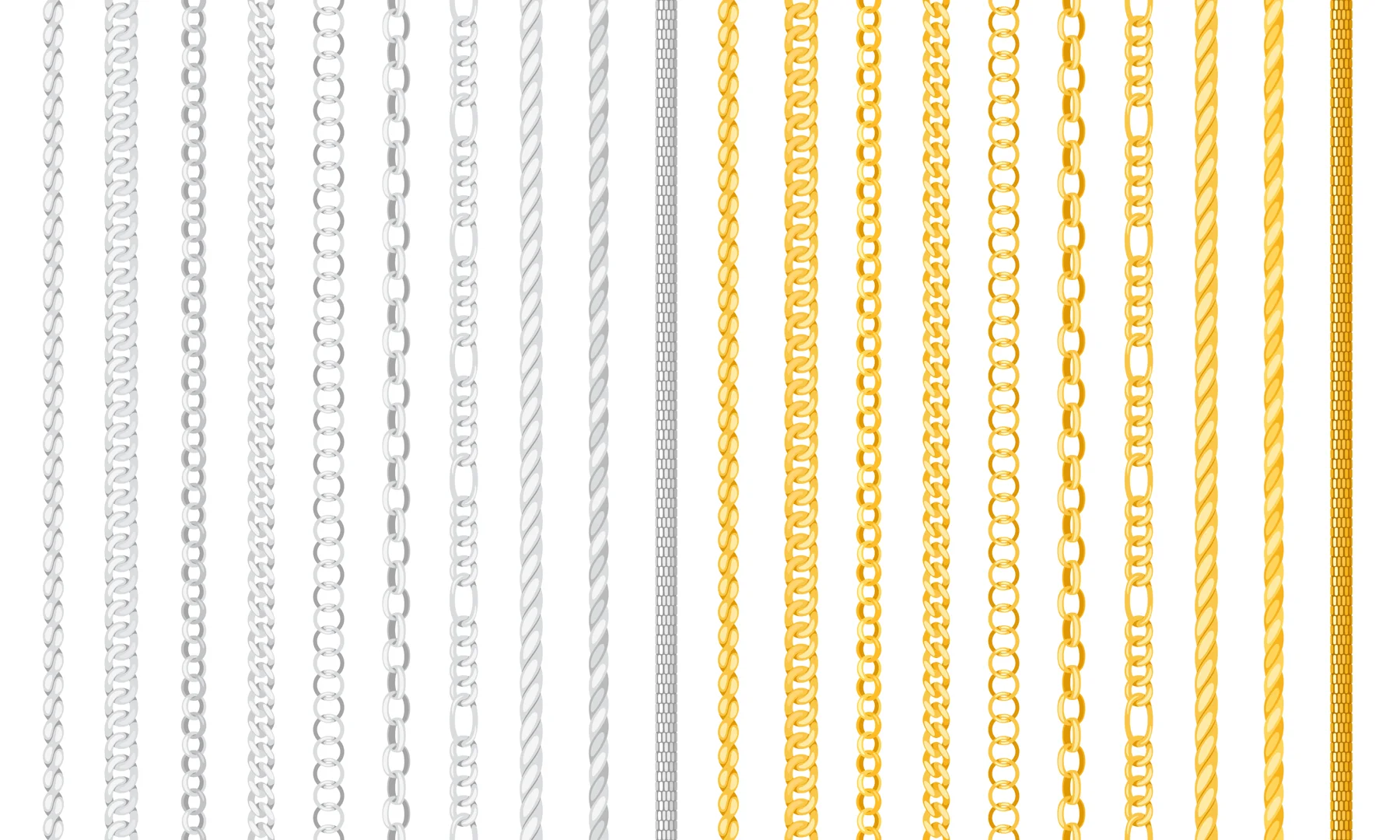
The metal you choose affects the appearance, price, durability, and maintenance of your bracelet. Solid gold and sterling silver are popular options, but other materials are available from some permanent jewelry providers.
Solid Gold
Pure gold is naturally soft, so jewelers mix it with other metals to make it stronger and more suitable for everyday jewelry. This mixture is called an alloy. In 14K gold, 14 of the 24 parts are pure gold, while the remaining 10 parts are other metals that add strength and influence the color. This makes 14K solid gold a durable choice for permanent jewelry intended for continuous wear. It also resists tarnishing better than sterling silver and gold-plated jewelry.
Solid gold generally costs more than other chain materials, but its durability and resistance to tarnishing make it worth considering if you plan to wear your bracelet for years. Yellow gold offers a warm, classic look, while white gold provides a cooler-toned alternative.
Sterling Silver
Sterling silver offers a bright, versatile look at a lower price than solid gold. It's a popular choice for people who prefer a cool-toned metal or want to enjoy permanent jewelry without the higher cost of gold.
Silver can tarnish over time when exposed to air, moisture, and certain substances. Regular cleaning can help restore its shine. If you choose a sterling silver permanent bracelet, consider whether you're comfortable with the occasional maintenance it may need.
Gold-Filled and Gold-Plated Jewelry
Gold-filled and gold-plated jewelry offer gold-colored finishes at more accessible prices, but neither is the same as solid gold. Gold-filled jewelry has a layer of gold mechanically bonded to a base metal, while gold-plated jewelry has a thinner layer of gold applied to another metal.
Both options can wear differently from solid gold, especially with frequent exposure to water, friction, sweat, and personal care products. Because permanent jewelry is intended to remain on the body, solid gold or sterling silver may be more practical choices for continuous wear, depending on your budget and maintenance preferences.
For more information, read our guide to Does Gold-Plated Jewelry Tarnish?
Finding a Comfortable Fit
Fit is one of the most important considerations when choosing a permanent bracelet. Unlike a traditional bracelet, which you can unclasp and adjust throughout the day, a permanent bracelet stays at its chosen length until it's cut off.
A well-fitted bracelet should feel comfortable without digging into your skin or restricting wrist movement. It should have enough room to move naturally without hanging so loosely that it frequently catches on clothing or nearby objects.
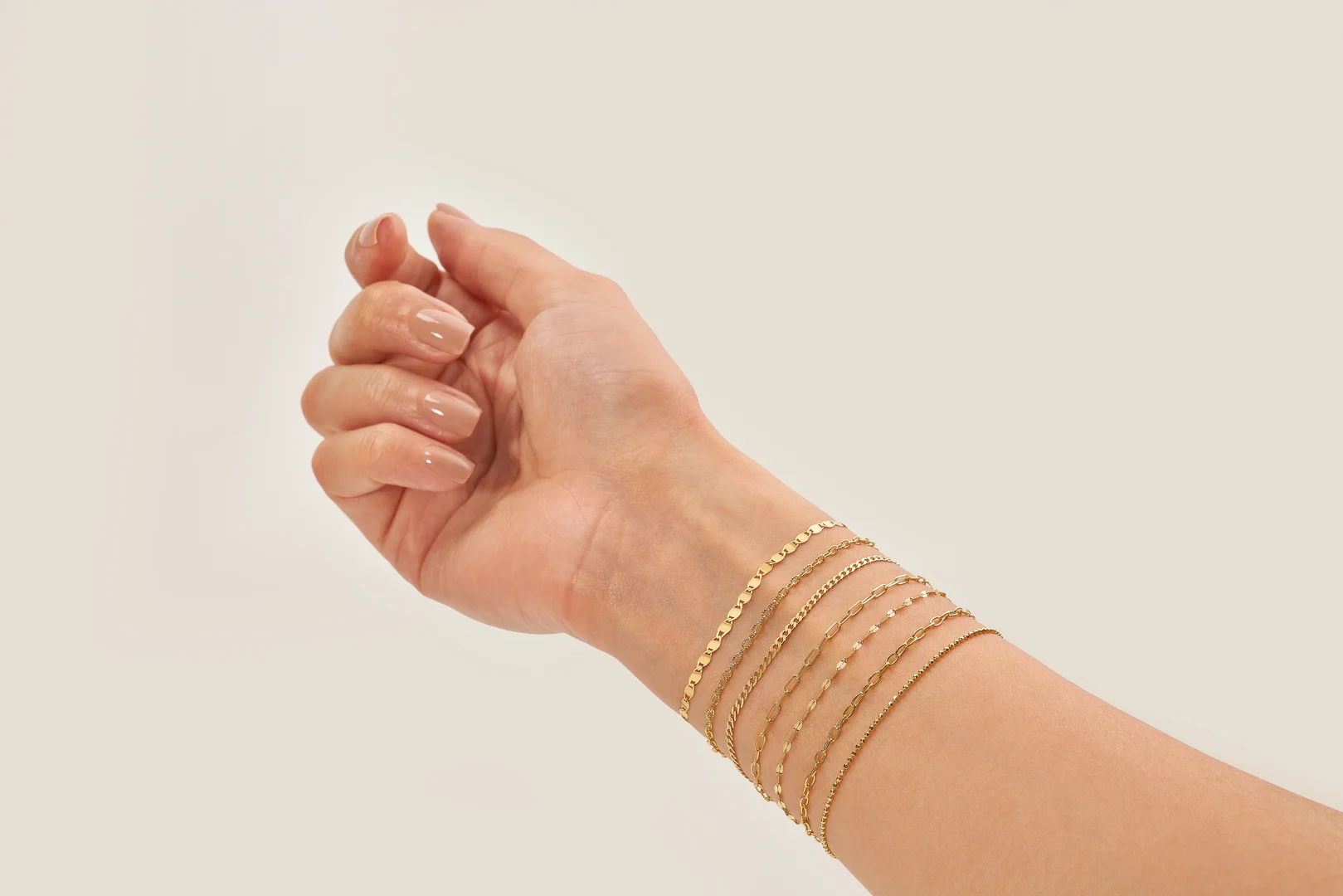
Your preferred fit may depend on the chain style, your wrist size, and how you like your jewelry to sit. Some people prefer a closer fit, while others want a little more movement. A professional jeweler can help you assess the length before welding the bracelet closed.
Remember that a bracelet that feels comfortable while you're sitting still may feel different as you move your wrist throughout the day. Take time to check the fit before the final connection is made.
What to Know About Wearing Permanent Jewelry Every Day
Permanent bracelets are designed for regular wear, but that doesn't mean they're immune to damage. Everyday activities can affect a chain, particularly if it becomes caught, pulled, or exposed to harsh chemicals.
Showering, Swimming, and Exercise
Your bracelet may be exposed to water, sweat, soap, lotions, and other products throughout the day. How well it holds up will depend partly on the metal and chain construction. Chlorine and other harsh chemicals can affect jewelry, so avoid unnecessary exposure and follow the care guidance for your particular material.
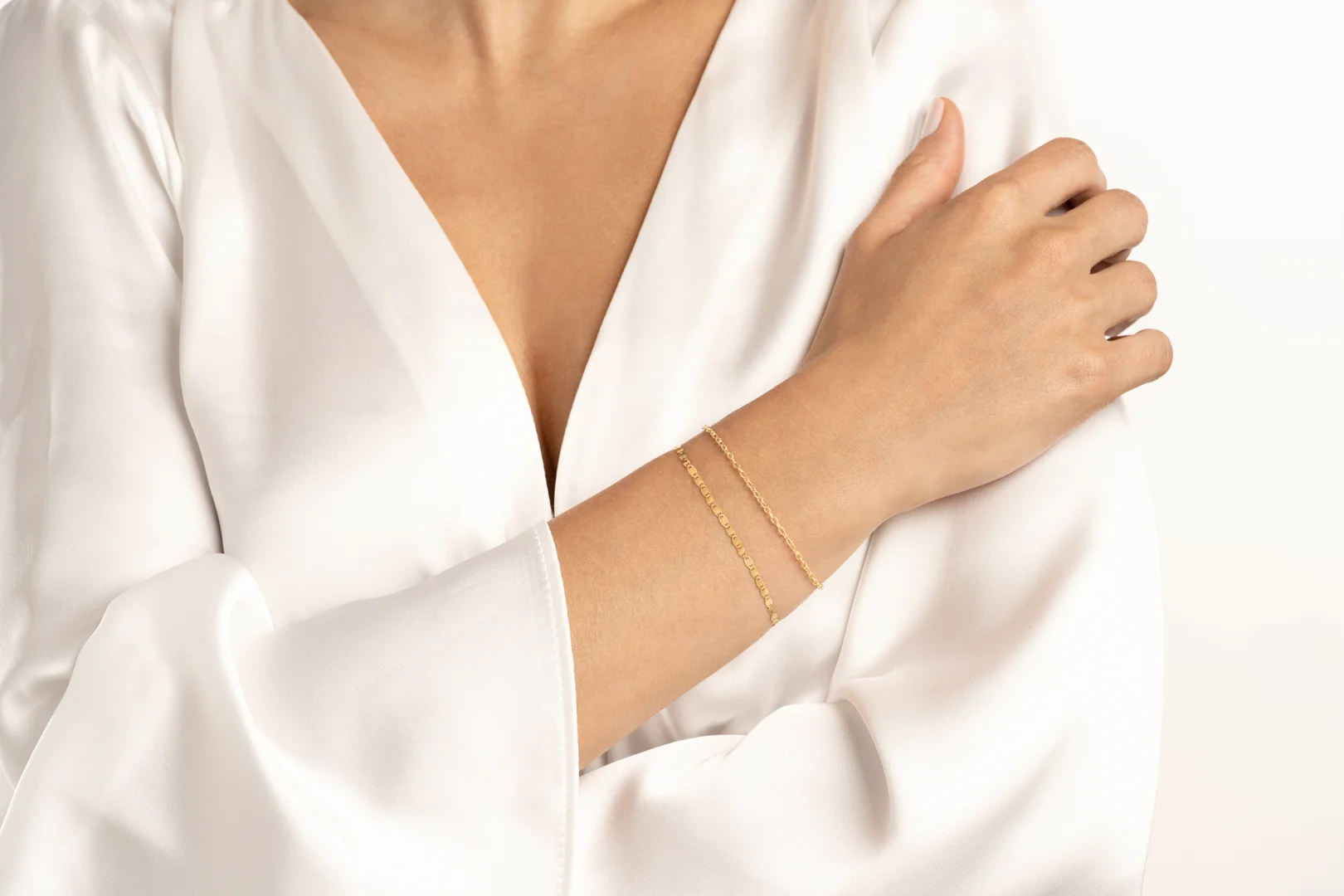
Exercise and other physical activities also deserve consideration. A bracelet that catches on equipment, clothing, or another object may stretch, break, or cause injury. If your work, hobbies, or exercise routine frequently expose jewelry to snagging or pulling, permanent jewelry may not be the best choice for you.
How to Clean Permanent Jewelry
Permanent jewelry still needs occasional cleaning. Oils, lotions, soap residue, and everyday buildup can dull a chain's appearance. Gentle cleaning with a method appropriate for the metal can help keep it looking its best.
Avoid abrasive cleaners or harsh chemicals unless a jeweler confirms they're appropriate for your specific piece. Sterling silver may require more frequent attention to tarnish than solid gold.
For additional advice, see our Complete Guide to Jewelry Care and Fool Proof Guide on How to Clean Silver Jewelry.
What Happens If You Need to Remove Your Bracelet?
Despite the name, permanent jewelry isn't impossible to remove. There may be times when you need to take off a bracelet for personal, practical, or medical reasons. Requirements can vary depending on the situation, so follow the instructions provided by your healthcare team when a medical procedure is involved.
If removal is necessary and you can't get assistance from a jeweler, the bracelet can generally be cut at the welded connecting ring using suitable cutting tools. Work carefully, keep the tool away from your skin, and avoid pulling or cutting the chain while it's pressed against your wrist. If you're uncomfortable doing this yourself, seek help from a professional.
Keep the bracelet after removal if you'd like to have it reattached. A jeweler can inspect the chain and connection point to determine whether it can be safely welded again. Repair policies and fees vary by provider, so ask about them before your appointment.
Can You Wear Permanent Jewelry in an MRI?
Whether you can wear permanent jewelry during an MRI depends on the facility's safety requirements and the circumstances of the scan. Do not assume a bracelet is safe to wear just because it is made of gold or silver. Contact the MRI facility before your appointment, explain that your bracelet is welded closed, and follow its instructions. You may be asked to have it removed.
Can I Wear Permanent Jewelry Through Airport TSA Security?
In most cases, you can wear permanent jewelry through airport security. However, screening procedures and equipment vary, and no jewelry is guaranteed to pass through without triggering an alarm. If your bracelet raises a concern during screening, tell the TSA officer that it is welded closed and follow their instructions. You can review current guidance on the TSA website.
How to Choose a Permanent Jewelry Provider
The quality of your experience depends on more than the chain you select. Before booking, look for a jeweler who can clearly explain the materials, fitting process, safety precautions, and options for future repairs.
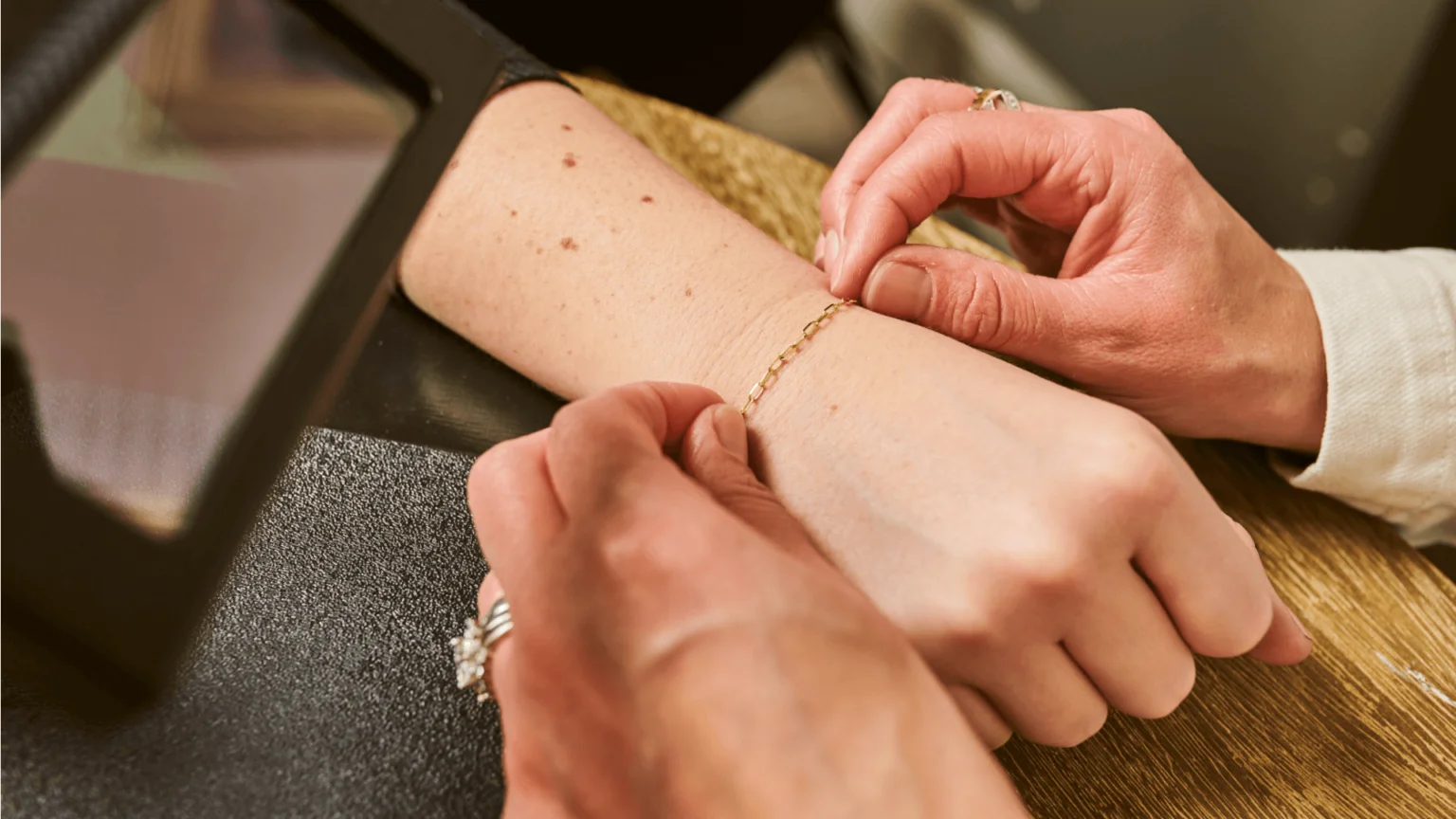
Here are a few useful questions to ask:
- What is the chain made of? Confirm whether the piece is solid gold, sterling silver, gold-filled, or gold-plated rather than relying on its color or appearance.
- How will the bracelet be fitted? The jeweler should give you time to assess the fit and make adjustments before welding.
- What safety precautions are used? Ask how the jeweler protects your skin and performs the welding process.
- What happens if the bracelet breaks? Find out whether the provider offers repairs or re-welding and what fees may apply.
- Can the bracelet be removed and reattached? Understand the process before committing to continuous wear.
A reputable provider should be willing to answer these questions without pressuring you to make a purchase. Clear information about materials, costs, safety, and aftercare helps you make a decision that fits your needs.
Is Permanent Jewelry Worth It?
Permanent jewelry can be a meaningful way to mark a milestone, celebrate a relationship, or add a simple piece to your everyday style. Before choosing a bracelet, consider your budget, the metal's care requirements, and whether you enjoy wearing jewelry throughout the day.

Also consider comfort and sensory preferences. Some people enjoy the feel of a bracelet they rarely remove, while others prefer having the option to take their jewelry off easily.
Permanent jewelry can be cut off when necessary, but it may not be the best fit for everyone. If you prefer to remove your bracelet regularly, a traditional bracelet with a clasp may be a better choice. Explore our bracelet collection to compare styles.
If you're interested in permanent jewelry, Nelson Coleman Jewelers offers 14K yellow gold and sterling silver chain options, with charms available for personalization. Explore our Permanent Jewelry Experience to see available styles, review current pricing, and schedule an appointment at a participating location.
Frequently Asked Questions About Permanent Jewelry
Can permanent jewelry break?
Yes. A permanent bracelet can break if its chain or welded connection is damaged by pulling, snagging, or everyday wear. Permanent jewelry is not indestructible. Ask your jeweler about inspection and repair options if the chain becomes damaged or the connection opens.
Can I wear permanent jewelry if I have sensitive skin?
That depends on your individual sensitivities and the metals in the chain. Ask the jeweler to identify the materials and any base metals or alloys present. If you have a known metal allergy, confirm that the material is appropriate for you before proceeding.
Can I add charms to a permanent bracelet?
Many permanent jewelry providers offer charms or decorative connectors, but available options depend on the chain style and the provider. At Nelson Coleman Jewelers, you can personalize your permanent bracelet with a selection of charms to reflect your personality, celebrate a milestone, or mark a special memory. Ask your provider about compatible charms before your bracelet is welded closed.
Does permanent jewelry last forever?
No. Its lifespan depends on the chain material, construction, fit, and how it's worn and cared for. A well-maintained bracelet may last for years, but it can still become damaged or need removal. Choosing a suitable material and following appropriate care practices can help extend its useful life.
How much does permanent jewelry cost?
The cost of permanent jewelry depends on the metal, chain style, bracelet length, and any charms you choose. Solid gold generally costs more than sterling silver. Visit our permanent jewelry page to explore available options and current pricing.
Ready to Explore Permanent Jewelry?
Permanent jewelry can be a meaningful way to celebrate a special connection or add a favorite piece to your everyday style. By considering your preferred metal, comfort, lifestyle, and budget, you can decide whether a clasp-free bracelet is the right fit for you.
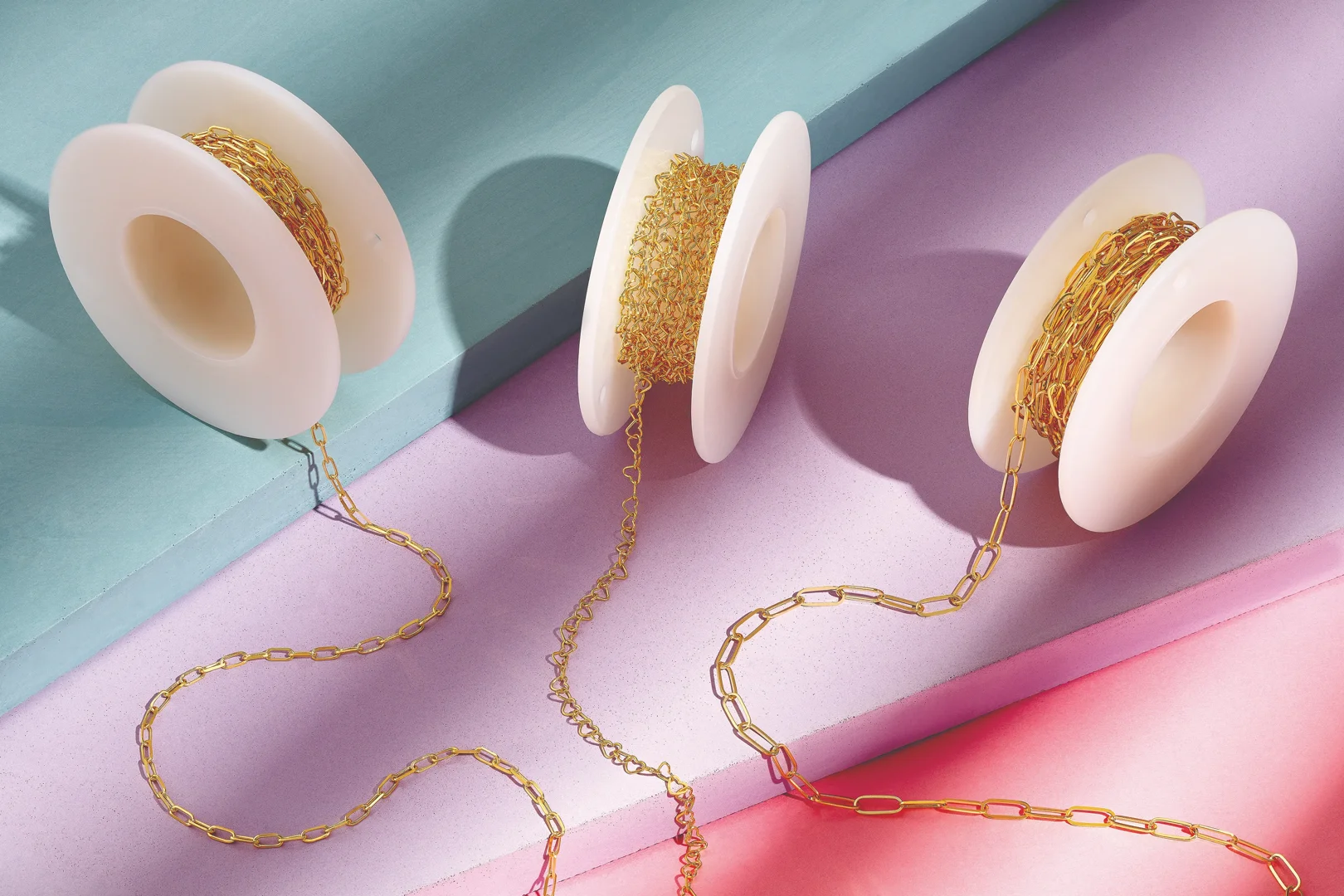
If you're ready to explore your options, visit Nelson Coleman Jewelers' Permanent Jewelry Experience to browse available chains and charms, review pricing, and schedule an appointment.


