

How to Choose a Diamond Necklace: A Complete Buying Guide
A diamond necklace can be a simple finishing touch for everyday outfits or a meaningful gift that celebrates a special occasion. With so many styles, diamond options, and precious metals to choose from, finding the right piece starts with understanding what matters most to you. Your budget, personal style, and plans for wearing the necklace will all help guide your decision.
Whether you're shopping for a classic diamond solitaire pendant, a necklace with multiple sparkling stones, or a design with a more distinctive look, a few key considerations will help you make an informed choice. Here's what to know about diamond quality, necklace styles, precious metals, chain lengths, and caring for your jewelry so you can find a piece you'll love wearing.
1. Choose the Right Diamond Necklace Style
Before comparing diamond grades or metal types, consider the look you want to achieve. Diamond necklaces range from delicate, understated designs to bold statement pieces, and each style offers a different way to wear your diamonds.
Diamond Solitaire Pendants: A single diamond suspended from a chain creates a classic, versatile look. Solitaire pendants work well with everyday outfits, office attire, and formalwear. Their simplicity also makes them easy to layer with other necklaces.
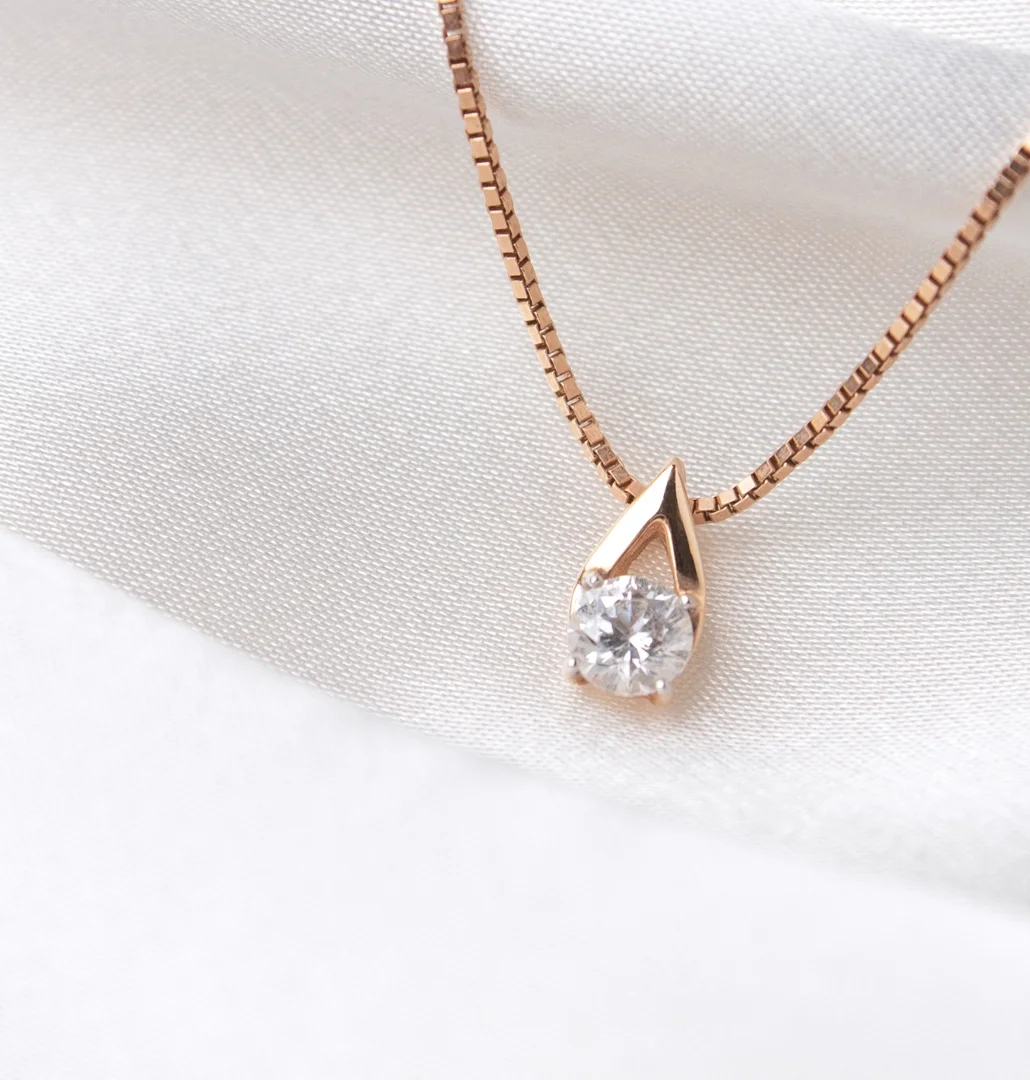
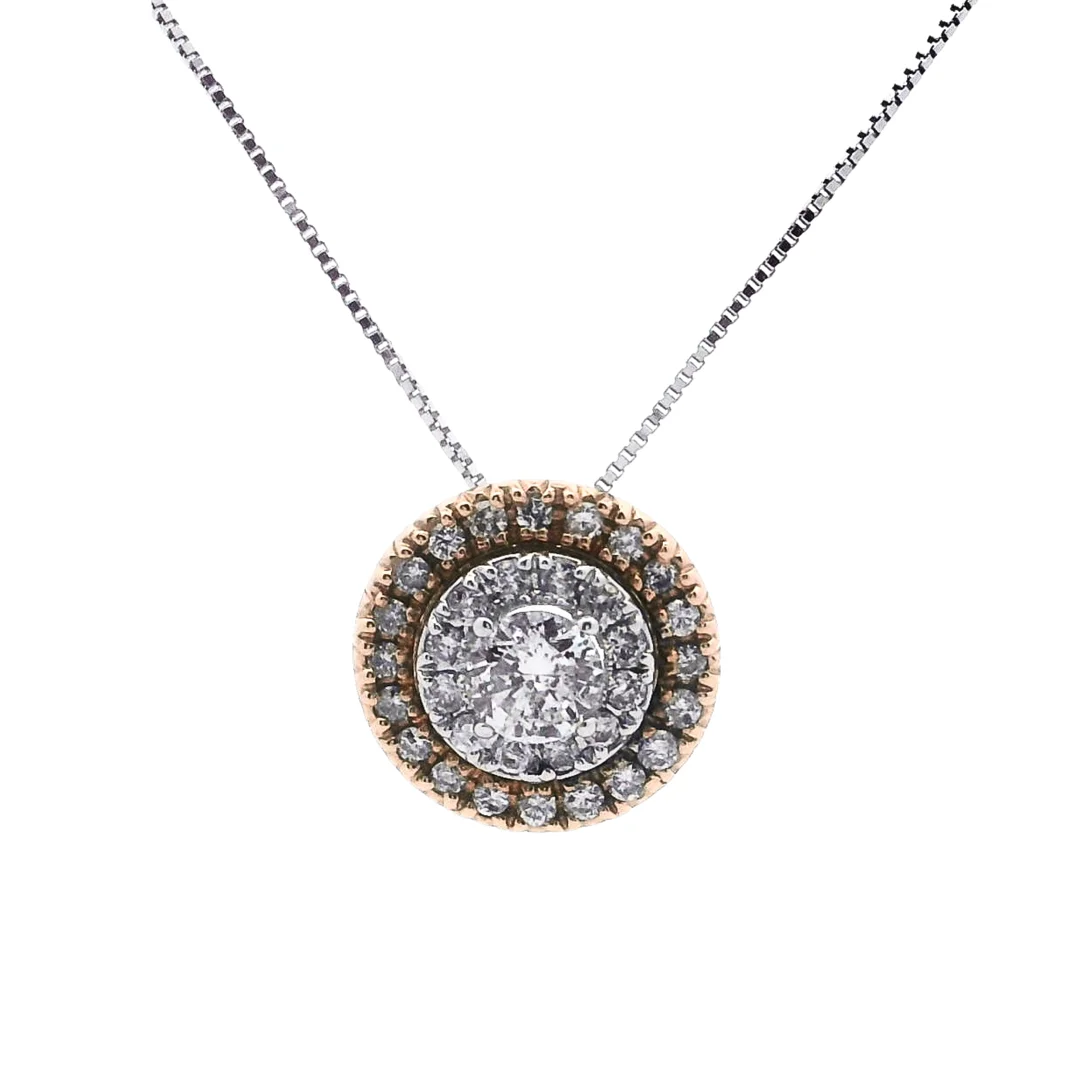
Halo Pendants: A halo of smaller diamonds surrounds a center stone, adding sparkle and creating the appearance of a larger design. Halo pendants are a good choice if you prefer a little extra brilliance without moving to a larger center diamond.
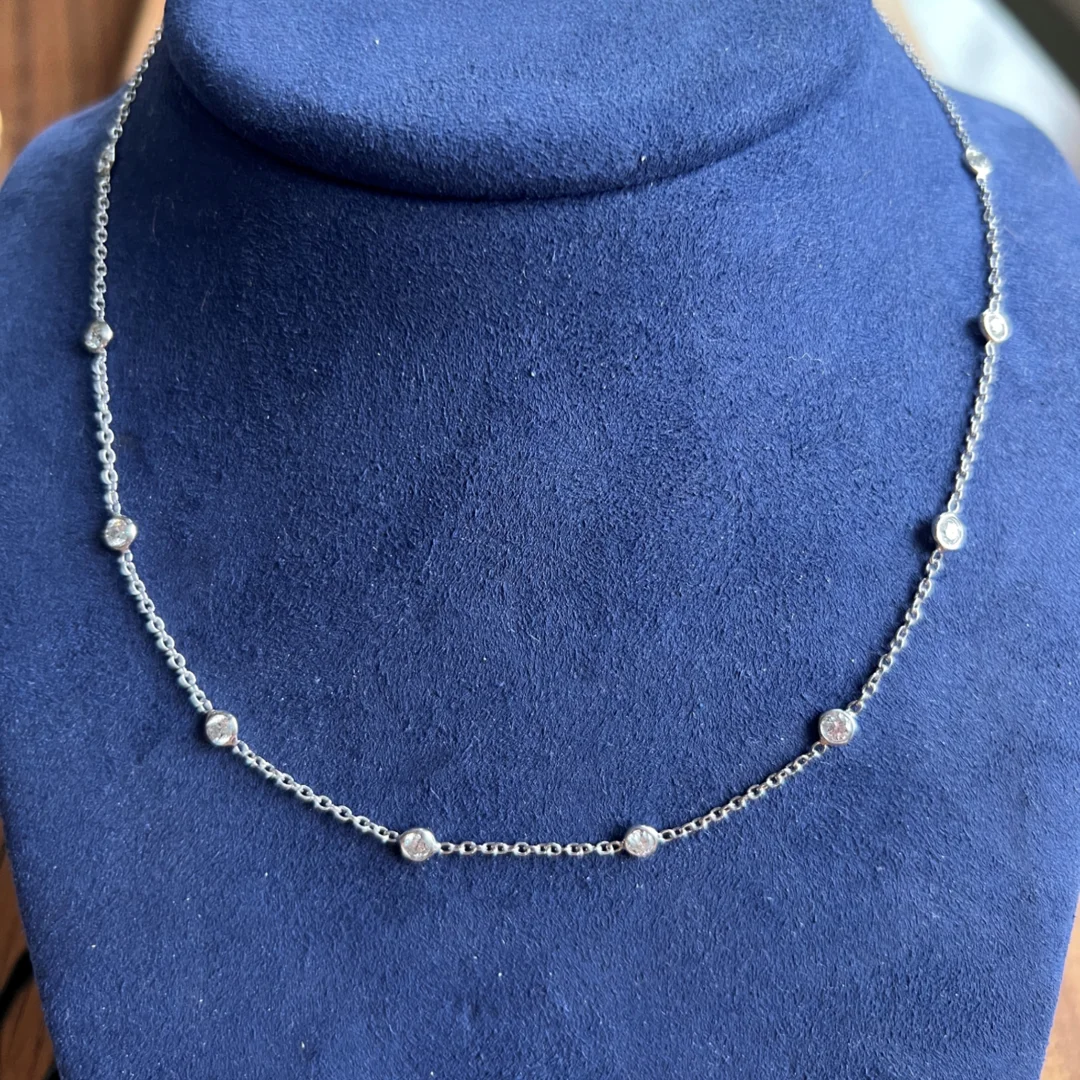
Diamond Station Necklaces: These necklaces feature diamonds spaced along the chain rather than concentrated in one pendant. Their balanced sparkle works beautifully on its own or layered with a simple gold chain.
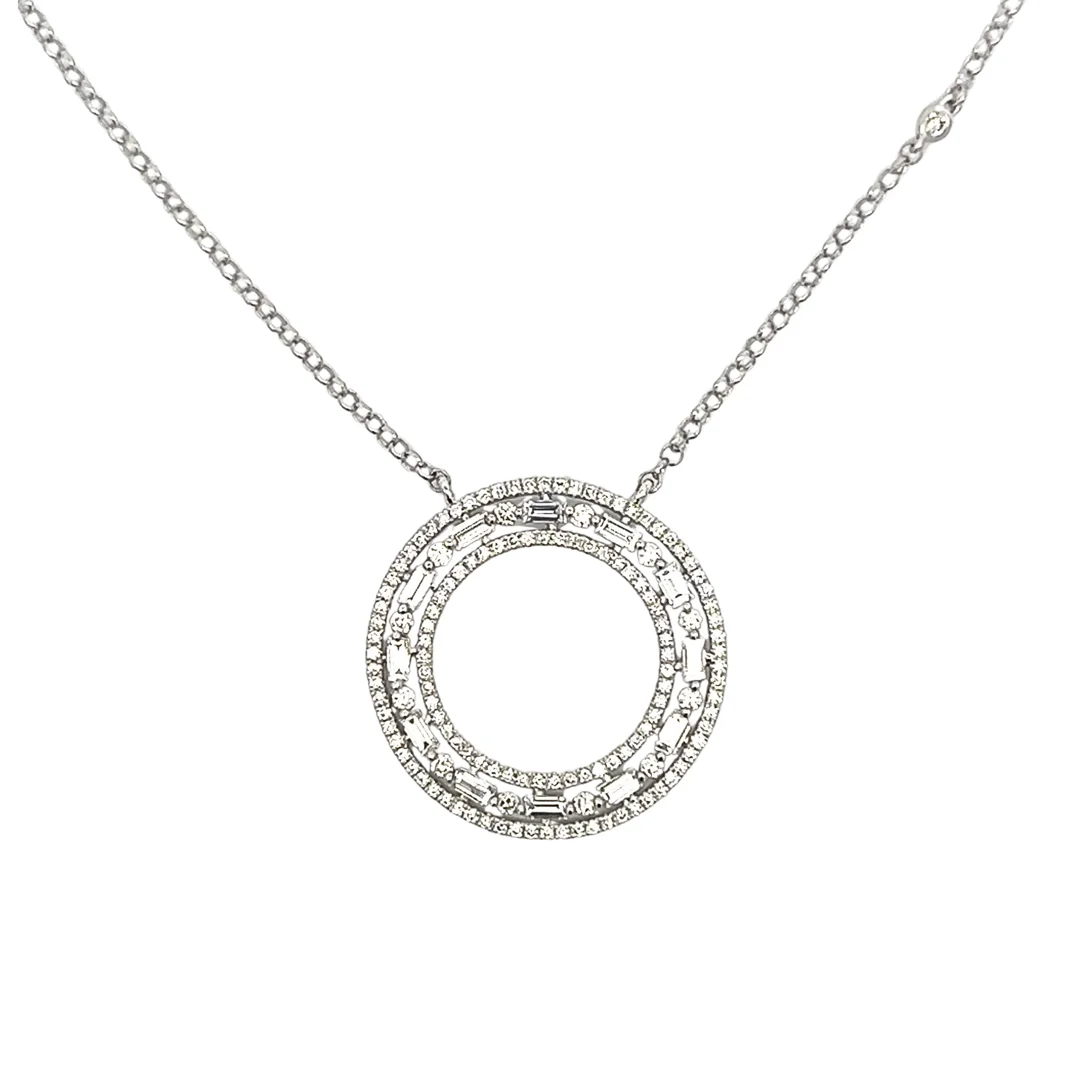
Diamond Circle and Geometric Pendants: Circular, bar, and other geometric designs offer a contemporary alternative to traditional solitaire styles. They can be subtle enough for daily wear while adding visual interest to a simple outfit.
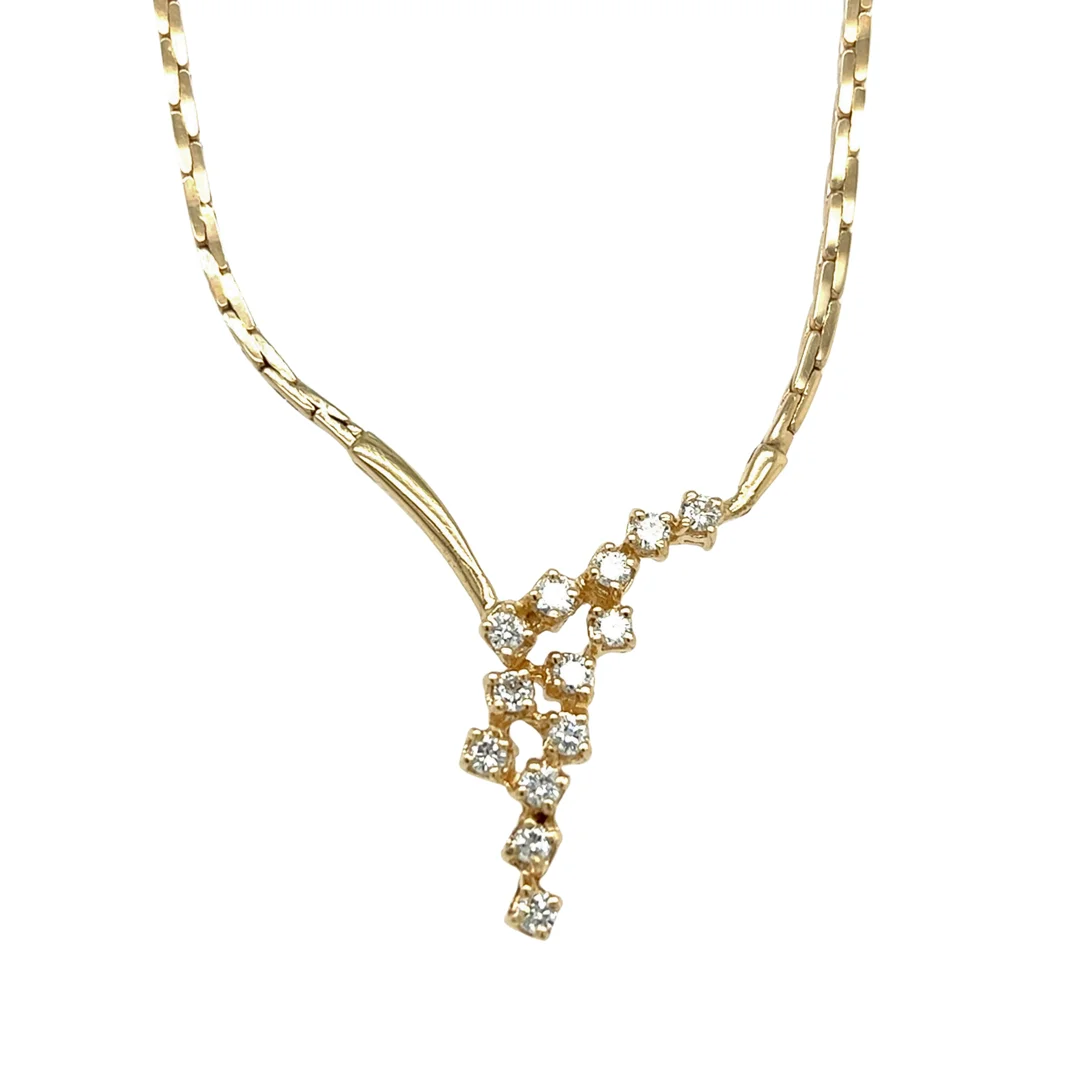
Multi-Stone and Cluster Necklaces: Several diamonds come together to create a larger pattern or focal point. Depending on the design, a cluster can deliver substantial sparkle without relying on one large diamond.
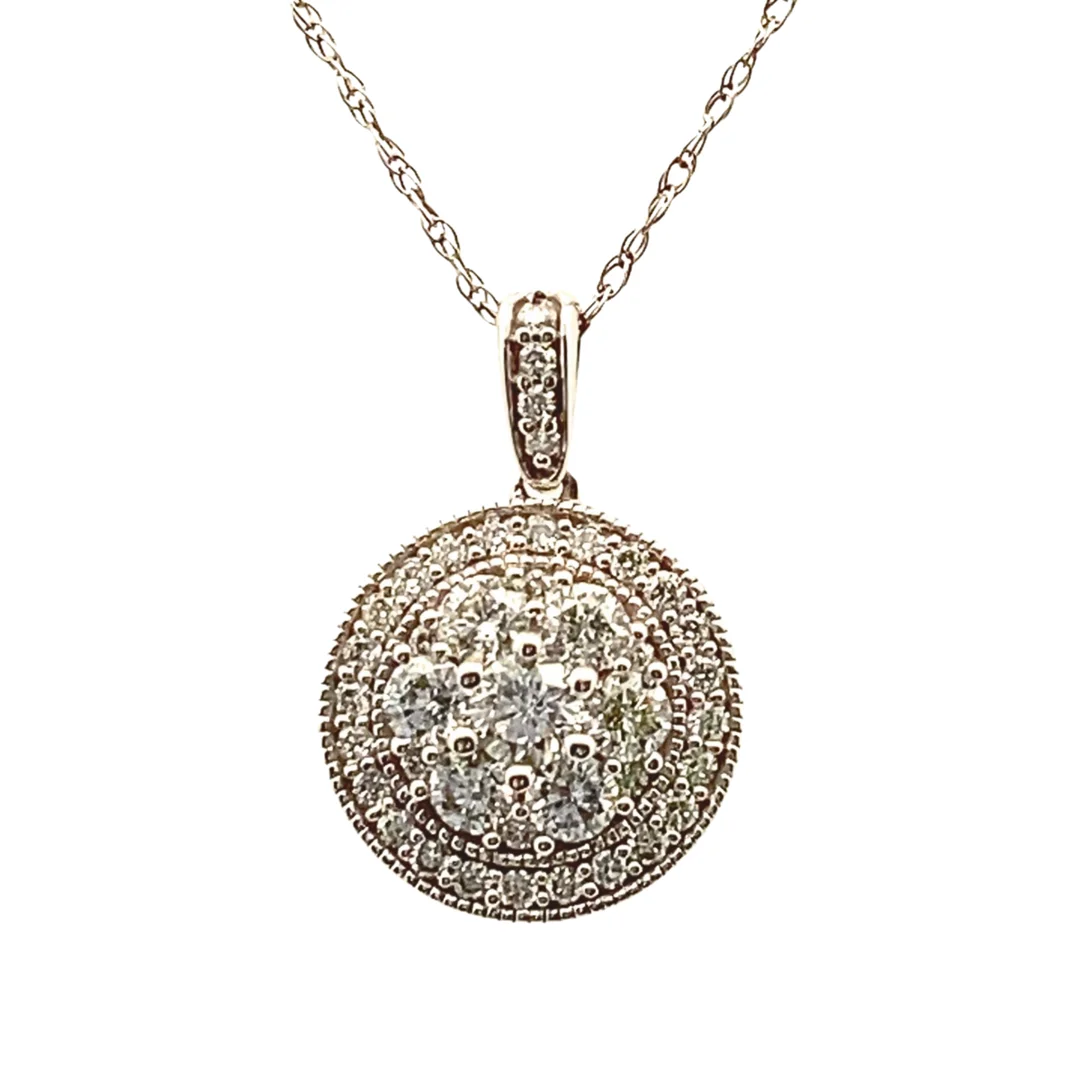
The diamond's shape also influences the overall appearance of a necklace. Round brilliant diamonds offer a familiar, sparkling look, while pear and marquise shapes create an elongated silhouette. Emerald and Asscher cuts emphasize clean lines and geometric facets, and oval diamonds offer a softer, elongated appearance.
For a closer look at the options, explore our guide to different diamond shapes. If you appreciate vintage-inspired jewelry,antique diamond cuts offer another way to find a necklace with distinctive character.
2. Understand Diamond Quality and the 4Cs
A diamond's quality affects its appearance, rarity, and price. Jewelers use four primary characteristics, known as the 4Cs, to describe and evaluate diamonds: cut, color, clarity, and carat weight.
Understanding how these characteristics work together will help you compare diamond necklaces and decide where to prioritize your budget.
Cut: What Makes a Diamond Sparkle?
Cut refers to how a diamond's facets interact with light. A well-cut diamond reflects light through the stone and back toward the viewer, creating the brightness, flashes of color, and sparkle that make diamonds so appealing.
Cut is particularly important when choosing a diamond for its brilliance. A diamond with a higher carat weight won't necessarily look more impressive if its proportions and light performance are poor.
Cut grades are most commonly associated with round brilliant diamonds. Other diamond shapes have different proportions and facet arrangements, so their appearance should be evaluated with their specific cut style in mind.
Color: How White Does the Diamond Look?
Diamond color is commonly graded on a scale from D to Z. D represents colorlessness, while lower grades show increasing amounts of yellow or brown color.
Diamonds near the colorless end of the scale are popular for their bright appearance, but you don't necessarily need the highest color grade to find a beautiful stone. The setting's metal color, the diamond's size, and your personal preferences can all influence which grade looks best.
White gold can complement diamonds with a bright, colorless appearance, while yellow gold can provide an attractive contrast to diamonds with a slightly warmer tone. The best combination depends on the individual diamond and the look you're trying to achieve.
Clarity: Can You See Imperfections?
Clarity describes the internal characteristics, called inclusions, and external blemishes found in a diamond. These characteristics develop during the diamond's formation or result from later changes.
Diamond clarity grades range from Flawless to Included. However, a diamond doesn't need to be flawless to look beautiful. Some diamonds with visible clarity characteristics under magnification appear clean to the unaided eye.
When comparing necklaces, consider how the diamond looks in normal lighting and at a typical viewing distance. For smaller accent diamonds, the overall appearance of the finished necklace may be more useful than focusing on an individual clarity grade.
Carat Weight: How Large Will the Diamond Look?
Carat measures a diamond's weight, not its physical dimensions. One carat equals 200 milligrams.
A necklace's total carat weight, often abbreviated as CTW or TCW, represents the combined weight of its diamonds. This differs from the carat weight of a single center stone.
For example, a necklace with a 0.50-carat center diamond contains a different diamond arrangement from a necklace with ten 0.05-carat diamonds, even though both have a total diamond weight of 0.50 carat. Their appearance, value, and overall design will differ.
Diamond shape and proportions also influence how large a stone appears from above. Comparing the actual dimensions and overall look of different necklaces can help you decide which offers the appearance you prefer.
For a more detailed explanation of diamond grading and shopping considerations, read our complete guide to buying a diamond.
Consider Carat-Weight Milestones
Diamond prices don't always increase in direct proportion to carat weight. Popular milestones, such as 0.50, 1.00, and 2.00 carats, can bring noticeable price jumps because many shoppers specifically seek diamonds at or above these weights.
For example, a 0.99-carat diamond may cost less than a comparable 1.00-carat diamond, even though the difference in size is difficult to see with the naked eye. Choosing a diamond just below a popular milestone can be one way to stretch your budget without losing out on visual impact.
Keep in mind that carat weight is only one factor in a diamond's price. Cut, color, clarity, shape, and whether the diamond is natural or lab-grown also affect its cost. Compare the diamond's overall appearance and quality rather than focusing on carat weight alone.
Natural vs. Lab-Grown Diamonds
Natural and lab-grown diamonds share the same fundamental chemical composition and crystal structure, as well as many of the same optical and physical properties. Both are real diamonds, and both can be beautiful choices for fine jewelry.
Natural diamonds form underground over geological timescales. Their natural origin and individual geological history appeal to shoppers who appreciate rarity and tradition.
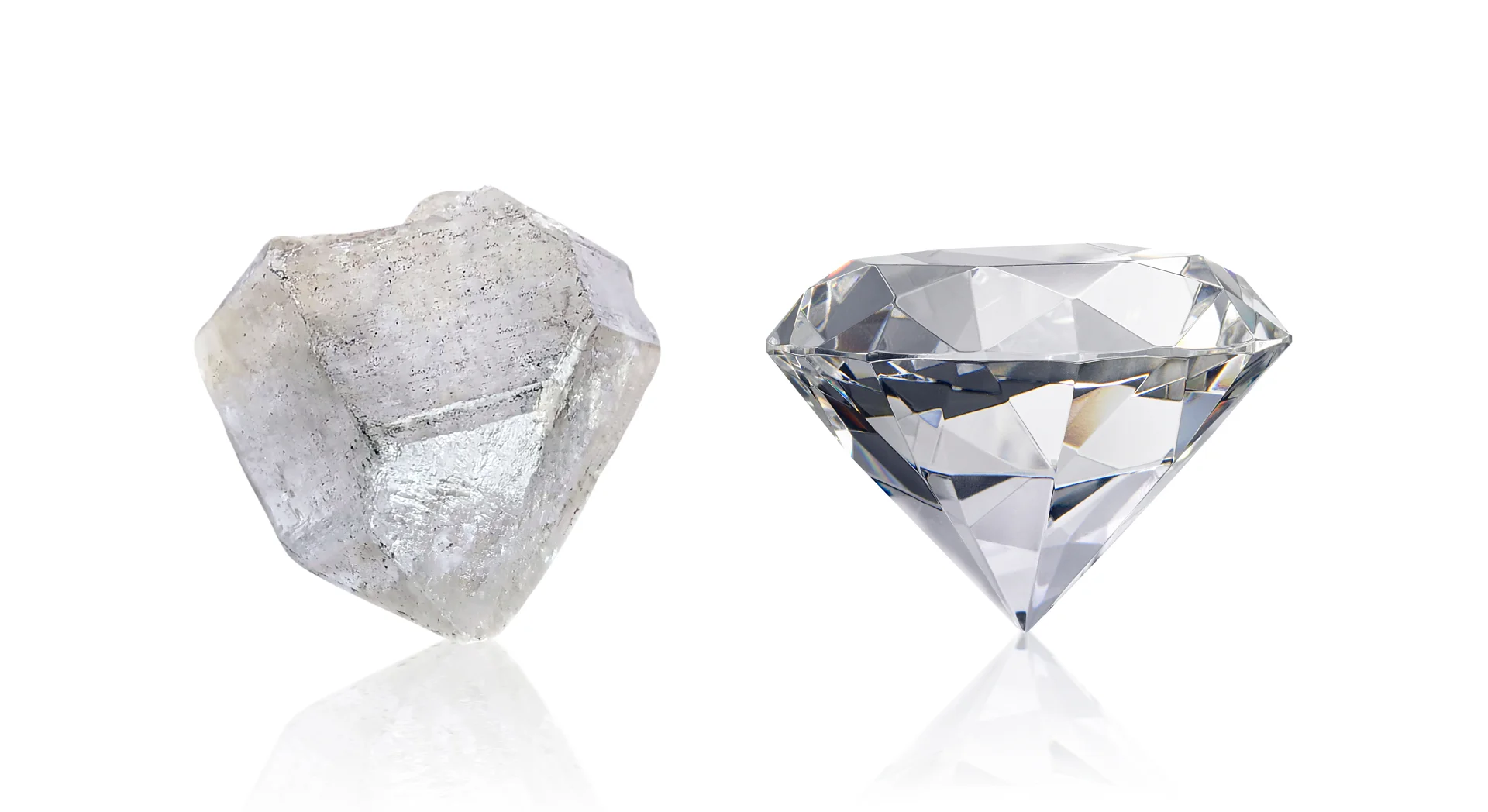
Lab-grown diamonds are created using specialized technology that replicates the conditions necessary for diamond growth. They generally offer a lower purchase price for comparable size and quality, allowing some shoppers to prioritize a larger stone or a different design within their budget.
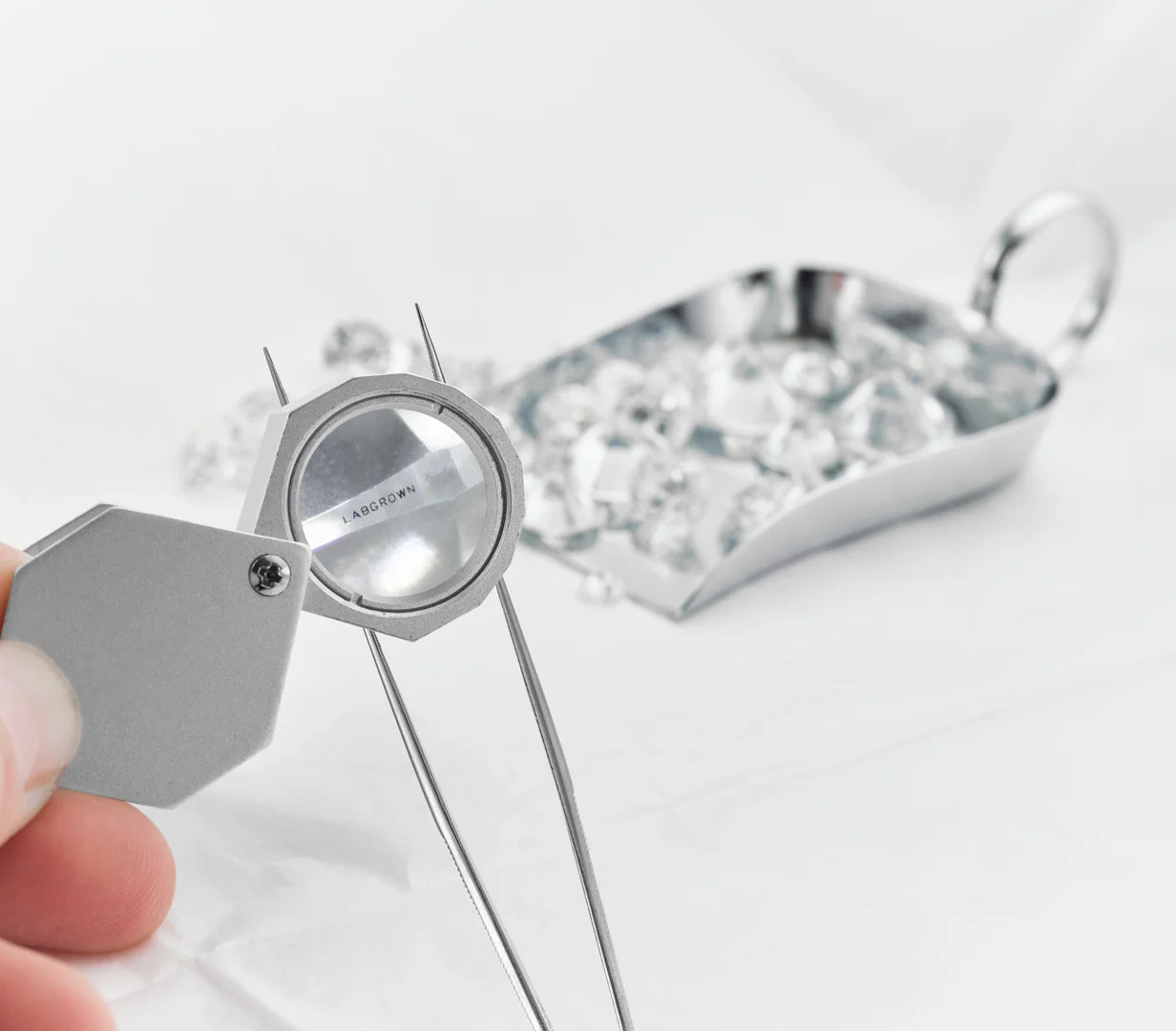
Neither option is automatically the right choice for everyone. Consider your budget, preferences, and what matters most to you when selecting a diamond.
If you're comparing diamonds for a necklace or another piece of jewelry, look for reliable grading documentation when available and make sure you understand whether a report covers an individual diamond or the finished piece. Natural and lab-grown diamonds should be clearly identified.
Learn more about Lab Grown Diamonds in our expert blog For the Love of Lab Grown. You can also browse our collection of Lab Grown Diamond Necklaces & Pendants.
How Much Should You Spend on a Diamond Necklace?
There is no universal budget for a diamond necklace. Prices vary based on diamond quality, total carat weight, metal type, craftsmanship, and the complexity of the design.
A delicate solitaire pendant may suit someone looking for an understated everyday piece, while a multi-stone necklace or a larger center diamond may require a higher investment.
Rather than focusing on carat weight alone, decide which features matter most to you. You might prioritize a lively, well-cut diamond, a particular necklace style, or a solid gold setting that suits your long-term plans for wearing the piece.
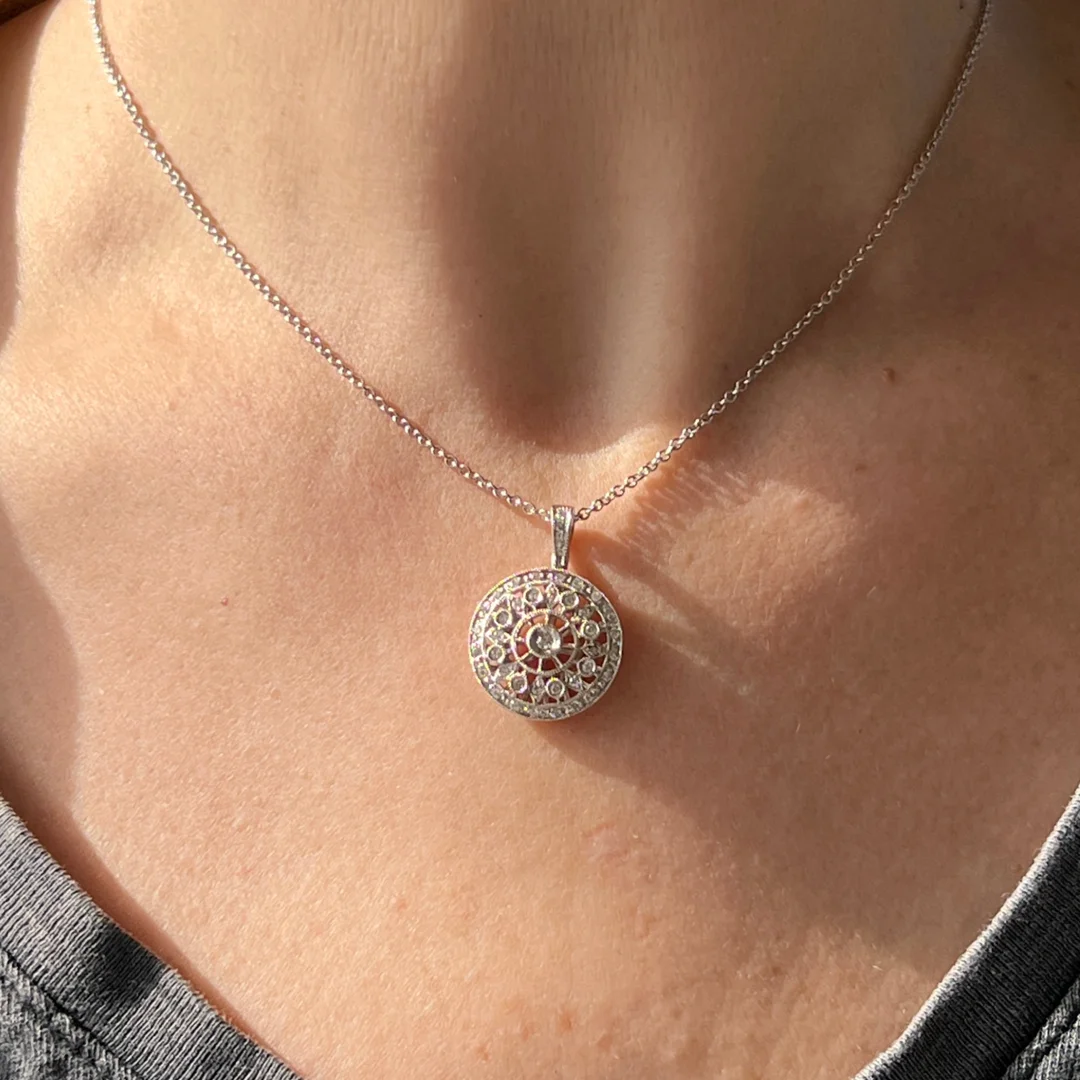
If you'd like help finding the right diamond necklace for your style and budget, a personal shopping consultation at Nelson Coleman Jewelers can help you compare options and explore different designs with guidance from our jewelry team. For a more specialized diamond-buying experience, our Antwerp Diamond Experience offers another way to explore diamond selection with our knowledgeable team.
3. Choose the Right Metal
The metal surrounding a diamond affects a necklace's appearance, durability, and price. For fine jewelry you plan to wear regularly, solid gold is a popular choice because the gold alloy extends throughout the piece rather than existing only as a surface coating.
Understanding Gold Karats: 10k, 14k, 18k, and 22k
Gold karat measures the proportion of pure gold in an alloy. Higher-karat gold contains more pure gold, while lower-karat gold contains a greater percentage of other metals. These alloys affect the metal's color, hardness, and suitability for different types of jewelry.
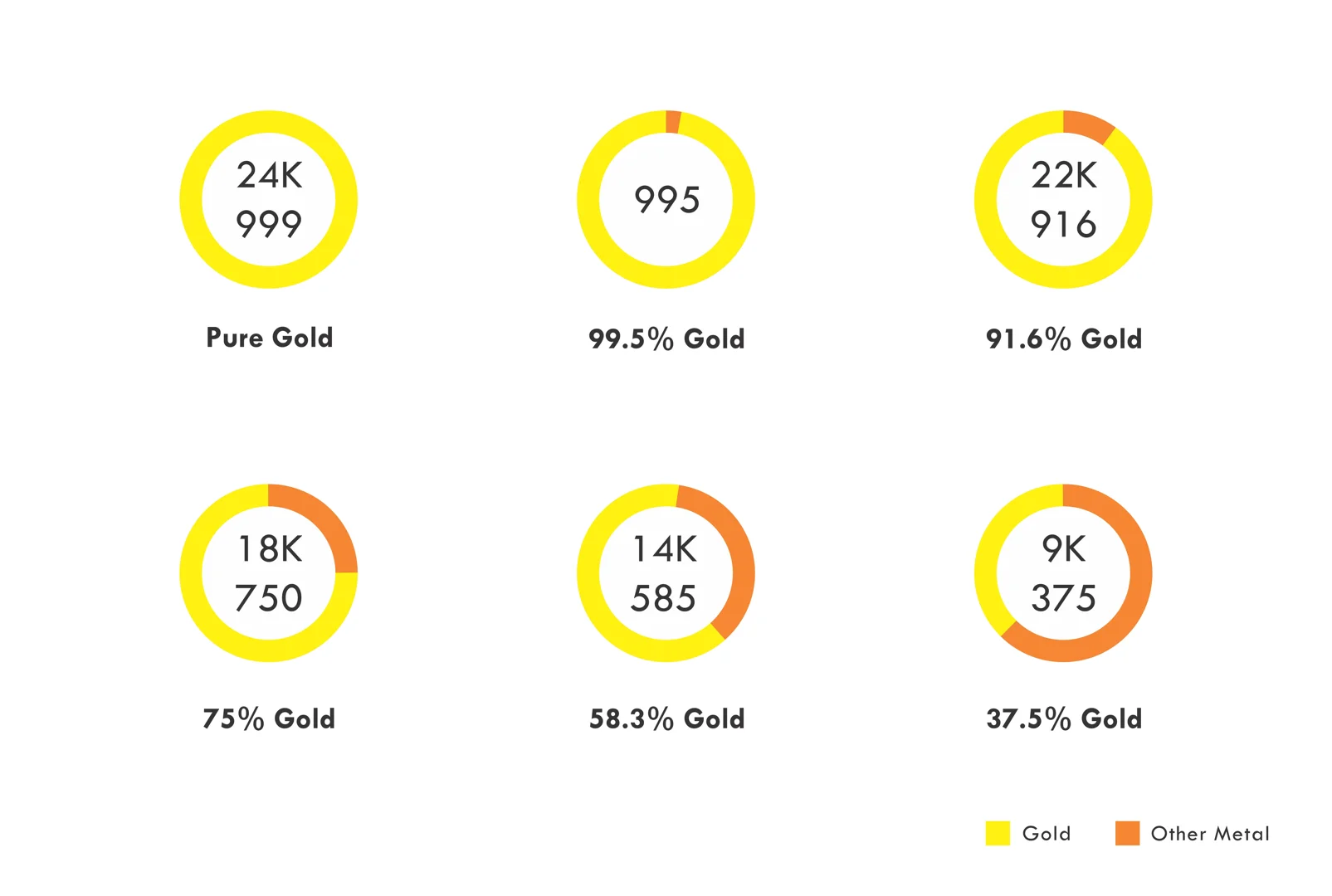
10k Gold (41.7% Pure Gold)
- Pros: Generally harder and more scratch-resistant than higher-karat gold alloys, and often more affordable.
- Cons: Contains less gold, typically has a less saturated gold color, and may be more likely to cause reactions in people sensitive to certain alloy metals.
- Best for: Buyers prioritizing affordability and durability. Although 10k gold is legally considered gold in the United States, it is less common than 14k and 18k gold in many fine-jewelry collections.
14k Gold (58.3% Pure Gold)
- Pros: Offers a practical balance of gold content, durability, appearance, and price. Its alloy composition generally makes it suitable for frequently worn jewelry.
- Cons: Contains less pure gold than 18k or 22k gold, and its color may be less rich than higher-karat yellow gold.
- Best for: Everyday diamond necklaces and other fine jewelry that balance lasting wear with affordability.
18k Gold (75% Pure Gold)
- Pros: Contains more pure gold than 14k gold and generally has a richer yellow color. It can be appealing to buyers who prioritize gold content and a luxurious finish.
- Cons: Generally softer than comparable 14k alloys and often more expensive. Its suitability for frequent wear depends on the piece's construction and design.
- Best for: Buyers who prefer a higher gold content and richer color, including those selecting fine jewelry for special occasions or regular wear with appropriate care.
22k Gold (91.7% Pure Gold)
- Pros: Has a very high gold content and a deep, saturated yellow color that appeals to those who value gold's natural warmth.
- Cons: Generally softer and more prone to deformation than 14k or 18k gold, making it less suitable for some delicate settings and designs that need to withstand frequent impacts.
- Best for: Jewelry styles that emphasize gold itself, including certain traditional and cultural designs. It is less common than 14k and 18k gold in mainstream U.S. diamond jewelry.
Which Gold Karat Is Best for a Diamond Necklace?
For many diamond necklaces, 14k and 18k gold are practical choices. 14k gold often offers a favorable balance of durability and price, while 18k gold provides a higher gold content and a richer yellow hue. Ten-karat gold may suit buyers with tighter budgets, while 22k gold is generally better suited to designs that can accommodate its softer properties.
Karat alone doesn't determine a necklace's durability or quality. The specific alloy, chain construction, clasp, and diamond setting all matter. If you have sensitive skin, consider the alloy composition as well, since higher gold content does not automatically guarantee that a piece will be hypoallergenic.
Yellow, White, and Rose Gold
Yellow Gold: A traditional choice that adds warmth and pairs beautifully with both classic and contemporary diamond designs. It can create an attractive contrast with a bright white diamond.
White Gold: Offers a bright, silvery appearance that complements diamond jewelry. Many white gold pieces have a rhodium finish that may need periodic refreshing as it wears.
Rose Gold: Has a pinkish hue created by the metals in its alloy. It provides a distinctive alternative to traditional yellow or white gold and pairs well with romantic, vintage-inspired, and modern designs.
Your skin tone can be one consideration when choosing a metal, but it doesn't need to dictate your decision. Think about the jewelry you already wear, the colors in your wardrobe, and whether you'd like the necklace to coordinate with your other pieces or stand out on its own.
Solid Gold vs. Gold-Plated Jewelry
Solid gold and gold-plated jewelry differ in construction. Solid gold contains a consistent gold alloy throughout the piece, while gold-plated jewelry has a thin layer of gold over another metal.
Gold plating can be a way to achieve a gold-colored look at a lower initial price. However, the surface layer can wear away with friction and regular use, eventually exposing the metal underneath. Gold vermeil uses a sterling silver base with a thicker gold coating than standard gold plating, but its finish can also wear over time.
For a diamond necklace you plan to wear frequently or keep for years, consider the quality of the entire piece, including the chain, clasp, and setting, rather than judging it by appearance alone.
Learn more about whether gold-plated jewelry tarnishes and how plating differs from solid gold.
4. Find the Best Chain Length and Setting
The chain length determines where your necklace sits, while the setting affects how the diamond is displayed and protected. Considering both will help you choose a necklace that suits your wardrobe and intended use.
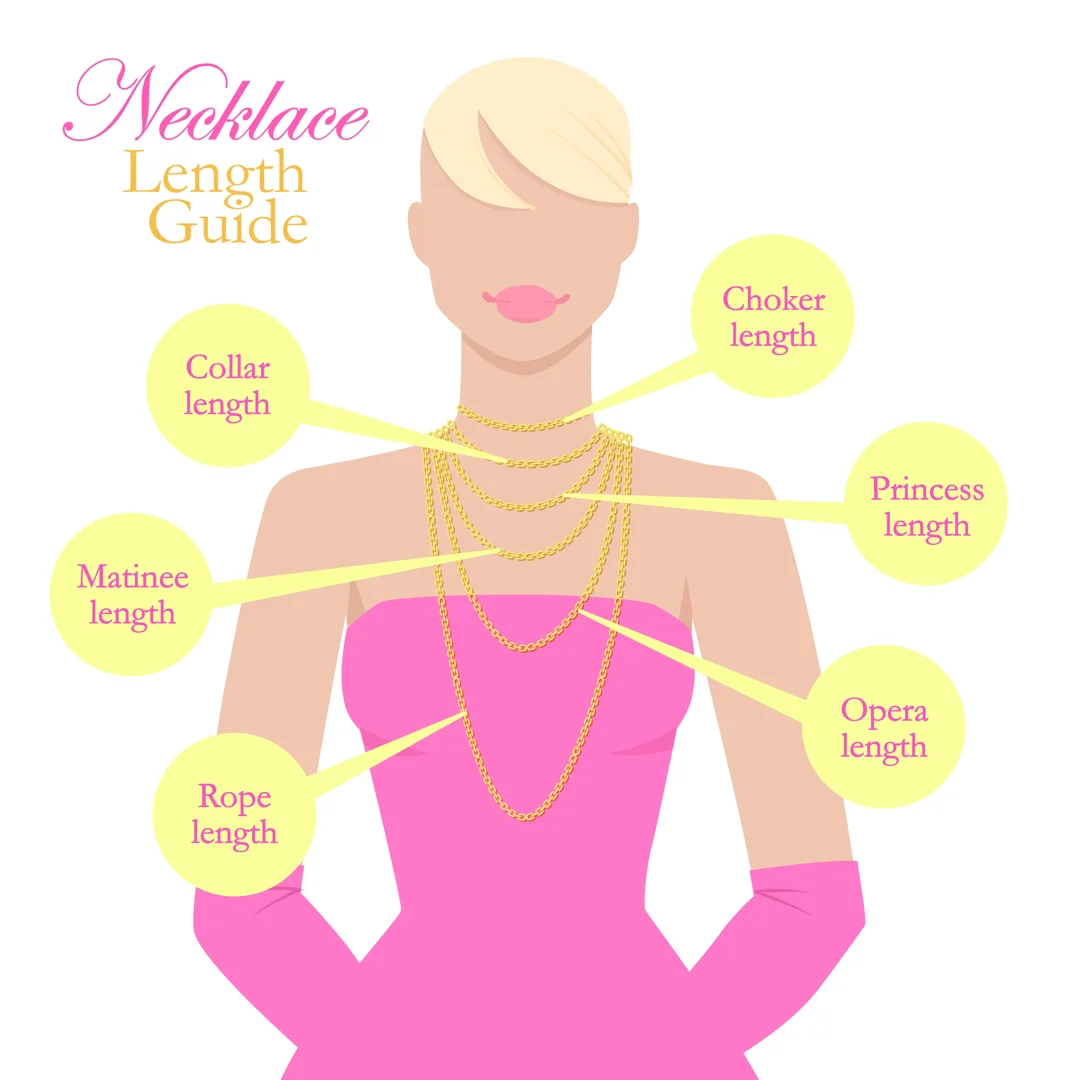
Choosing a Chain Length
Necklace length affects where a piece sits and how it complements your neckline, outfit, and other jewelry. From close-fitting chokers to long opera and rope styles, each length creates a different look. Our guide to choosing the right chain length offers more tips for finding your ideal fit.
- 14–16 Inches (Choker and Collar): Chokers typically sit close to the base of the neck, while collar-length necklaces rest around the lower neck or upper collarbone. These shorter lengths work well with open necklines, off-the-shoulder tops, and layered looks.
- 18 Inches (Princess): Often considered a standard length for pendant necklaces, princess-length chains typically fall around or just below the collarbone. They're versatile enough for everyday wear and pair well with many necklines.
- 20–24 Inches (Matinee): Matinee-length necklaces generally fall between the collarbone and bust. They're well suited to higher necklines, sweaters, longer pendants, and layered looks.
- 28–36 Inches (Opera): Opera-length necklaces create an elongated silhouette and can be worn as a single strand or doubled, depending on the design. Diamond station necklaces are particularly well suited to this length because their spaced stones distribute sparkle along the chain.
- 37 Inches and Longer (Rope): Rope-length necklaces offer additional styling possibilities, including doubling or wrapping the chain. Their versatility depends on the necklace's construction, clasp, and design.
These measurements are general guidelines rather than strict rules. The way a necklace hangs varies with neck size, body proportions, pendant size, and chain design.
If you're purchasing a necklace as a gift, an 18-inch chain is a useful starting point for a traditional pendant, but it isn't a universal fit. Adjustable necklaces are especially practical gifts because they allow the wearer to customize the fit for different necklines and occasions. Styles with a sliding bead or slider-ball mechanism can offer a particularly wide range of length adjustments, making them a versatile choice when you're unsure of the recipient's preferred length.
Choosing a Chain Style
The chain plays an important role in a diamond necklace's appearance, comfort, and durability. Some chains are designed to showcase a pendant, while others have enough texture or visual interest to stand on their own. When choosing a chain, consider its style, flexibility, strength, and compatibility with the pendant's weight and attachment.
| Chain Style | Appearance | Best Suited For |
|---|---|---|
| Cable | Simple, uniform oval or round links create a classic, understated look. | Solitaire pendants, small diamond charms, and everyday necklaces. |
| Box | Square links create a smooth, geometric appearance. | Minimalist pendants and contemporary styles. |
| Rope | Twisted links create a textured design that reflects light. | Wearing alone or pairing with compatible pendants for a more substantial look. |
| Wheat (Spiga) | Interwoven links create a braided appearance with a refined texture. | Wearing alone or with appropriately sized pendants, depending on the chain's construction. |
| Singapore | Twisted, interconnected links create a flexible chain with a shimmering, twisted appearance. | Delicate pendants and necklaces worn alone, provided the chain suits the pendant's weight. |
| Snake | Closely connected links form a smooth, fluid surface. | Sleek, modern looks, often worn alone or with pendants specifically designed for this chain style. |
| Paperclip | Elongated oval links create a bold, contemporary look. | Statement necklaces, modern layering, and compatible pendants with larger bails. |
| Bead (Ball) | Small metal spheres form a distinctive, textured chain. | Minimalist styles and lightweight pendants with compatible attachments. |
The chain's construction matters just as much as its style. A delicate chain may suit a small solitaire pendant, while a heavier pendant generally needs a stronger chain and a compatible bail. Some chain styles are also more difficult or costly to repair than others, so consider how the necklace will be worn and maintained.
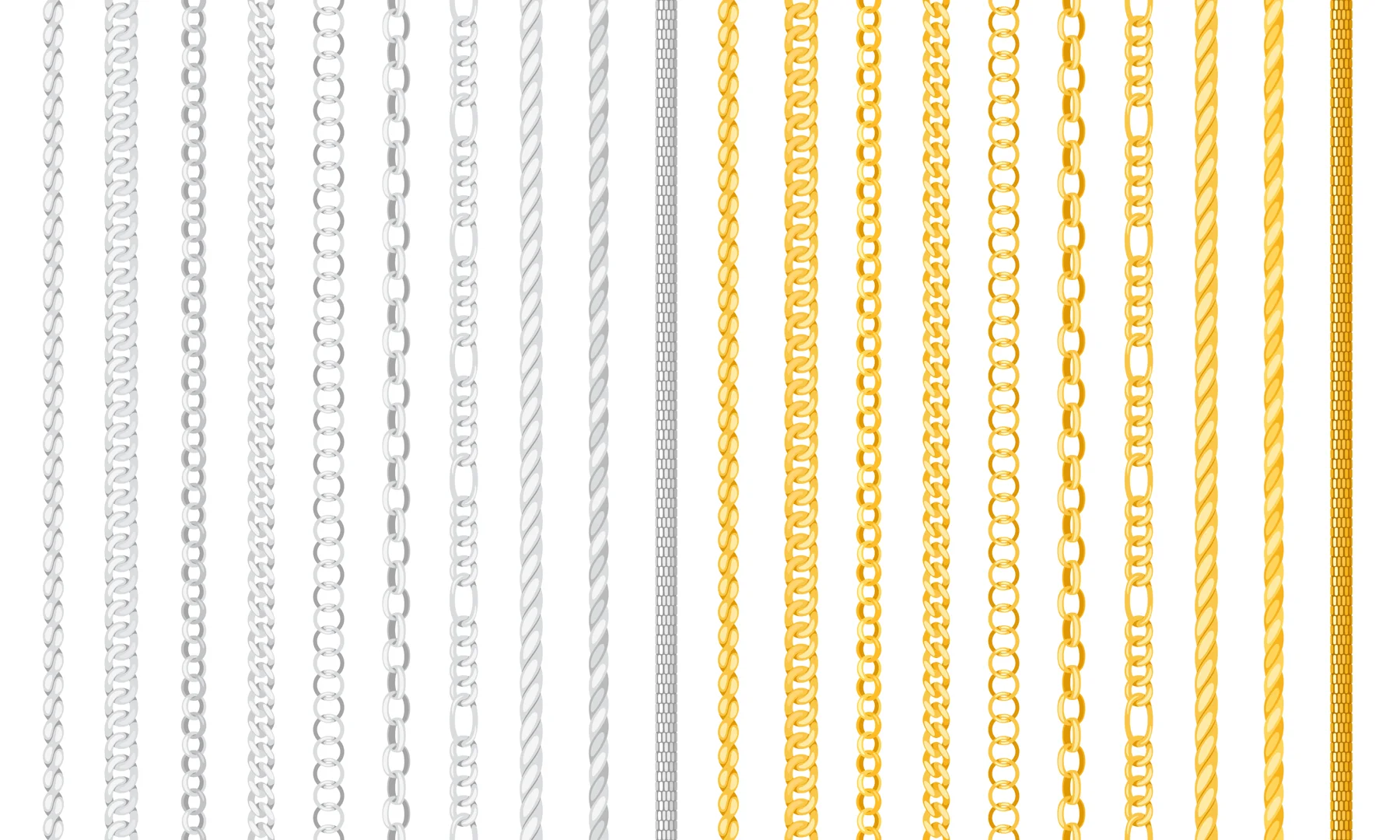
Don't overlook the clasp. Spring-ring and lobster-claw clasps are common on fine necklaces, with lobster clasps often offering a larger gripping surface. The best choice depends on the chain's weight and design, as well as your ability to fasten it comfortably. A secure clasp should close properly and remain closed during normal wear.
If you're buying a diamond necklace for everyday use, ask a jeweler to confirm that the chain, clasp, and pendant attachment are appropriate for one another. A beautiful chain should do more than complement the diamond; it should also help keep the necklace secure.
Shop the Chain Necklace Collection at Nelson Coleman Jewelers.
Understanding Diamond Necklace Setting Styles
A diamond's setting affects the necklace's appearance, how much of the stone is visible, and how well the diamond is protected. Some settings showcase a center diamond, while others create a smooth profile or bring multiple stones together for continuous sparkle. The best choice depends on the design, the diamond's shape and size, and how you plan to wear the necklace.
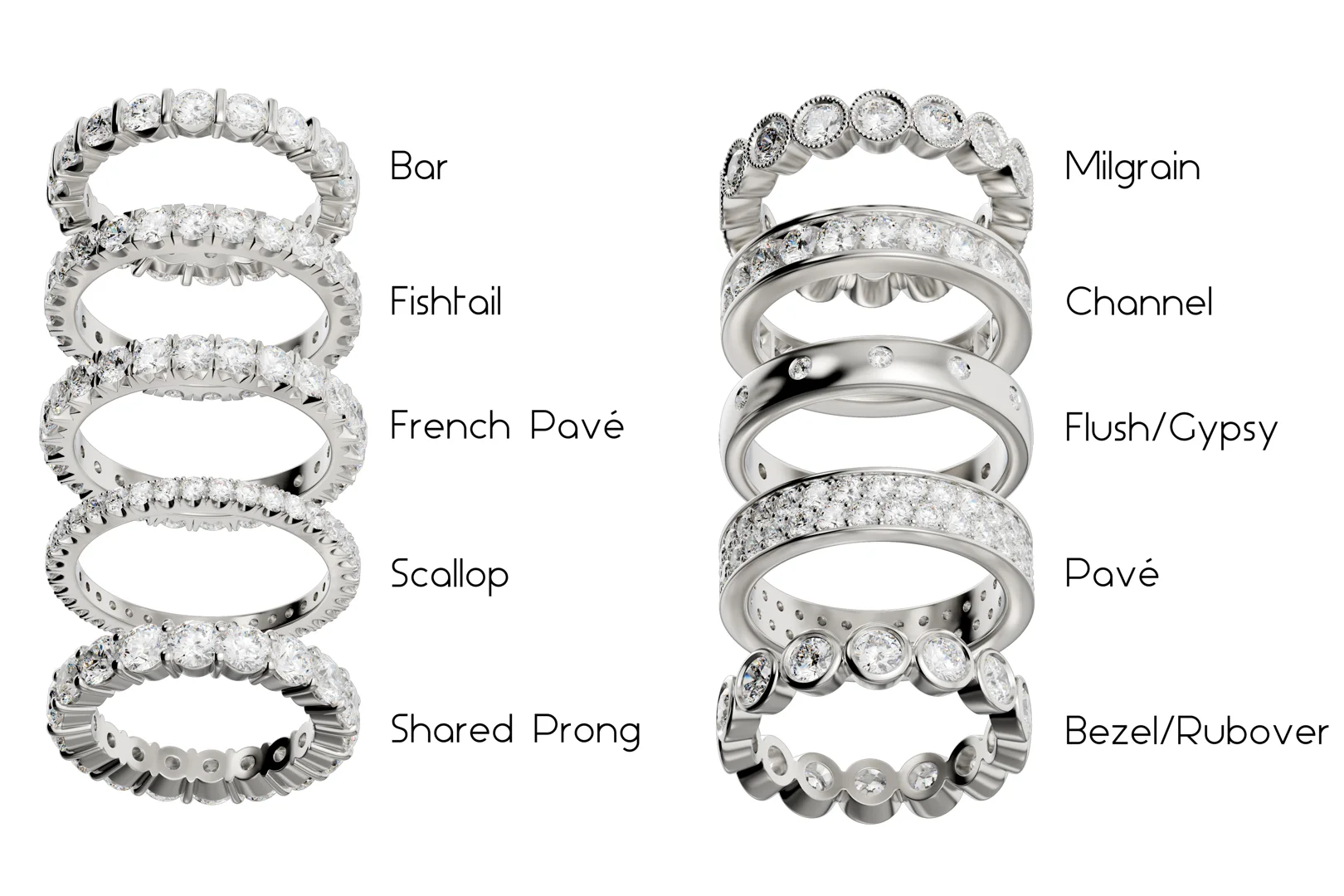
Prong Settings: Small metal claws hold the diamond in place while leaving much of its surface exposed. This classic setting allows light to enter the stone from multiple directions and works well for solitaire pendants featuring round, oval, pear, and other diamond shapes. Prongs can catch on clothing or wear down over time, so periodic inspections are important.
Bezel Settings: A rim of metal surrounds the diamond's perimeter, creating a clean outline and helping protect its edges from impacts. Bezel settings are popular in contemporary and minimalist pendants and can be particularly practical for everyday wear. Because more metal surrounds the stone, the diamond may have a different visual appearance than it would in a prong setting.
Pavé Settings: Small diamonds are set close together, typically secured by tiny beads or prongs of metal, creating a surface covered in sparkle. Pavé is often used around a center stone, along a pendant's outline, or in decorative motifs. The small accent diamonds require proper maintenance to help prevent stone loss.
Channel Settings: Diamonds sit side by side within a metal channel, with the edges of the stones held by the surrounding metal. This creates a smooth surface without individual prongs between each diamond. Channel settings are often found in diamond bars, geometric pendants, and station necklaces.
Flush Settings: The diamond sits within a hole in the metal, with its top close to or level with the surrounding surface. This low-profile style reduces the amount of exposed stone and metalwork, creating a sleek appearance. It is more common in certain minimalist designs and may be used for small diamonds in pendants or decorative elements.
Tension Settings: The diamond is held in place by pressure from the metal structure, creating the impression that the stone is suspended between two ends of the setting. This modern design can expose much of the diamond, but it requires specialized engineering and precise construction. Tension settings are less common than traditional prong or bezel settings in diamond necklaces.
Illusion Settings: Small diamonds are positioned within a carefully designed metal framework that makes them appear larger or resemble a single, more substantial stone. This technique can create the look of a larger diamond without requiring one large center stone. Illusion settings are often found in cluster-style pendants and other designs that maximize visual impact.
No setting style is automatically the best choice for every necklace. Prong settings emphasize the diamond, bezels offer additional edge protection, and pavé or channel settings allow multiple diamonds to work together in a design. The setting's construction and the quality of its workmanship matter just as much as its style.
If you plan to wear your necklace frequently, ask a jeweler about the security of the setting, the strength of the chain, and any maintenance the design may require. Regular inspections can help identify worn prongs, loose stones, or other issues before they lead to damage or stone loss.
Can You Layer a Diamond Necklace?
Layering is an easy way to make a diamond necklace feel more personal. A solitaire pendant can serve as the focal point, while plain gold chains or diamond station necklaces add texture and sparkle.
For a balanced look, try combining chains of different lengths so each piece remains visible. Mixing a delicate pendant with a slightly bolder chain can also create contrast without overwhelming the neckline.
You don't need several elaborate necklaces to create a layered look. Two or three pieces with complementary metals, lengths, and proportions can be enough.
5. How to Care for Your Diamond Necklace
A diamond necklace can remain beautiful for many years with appropriate care, but diamonds and precious metals aren't immune to damage. Regular cleaning, careful storage, and occasional professional inspections help protect your investment.
Clean Your Necklace Gently
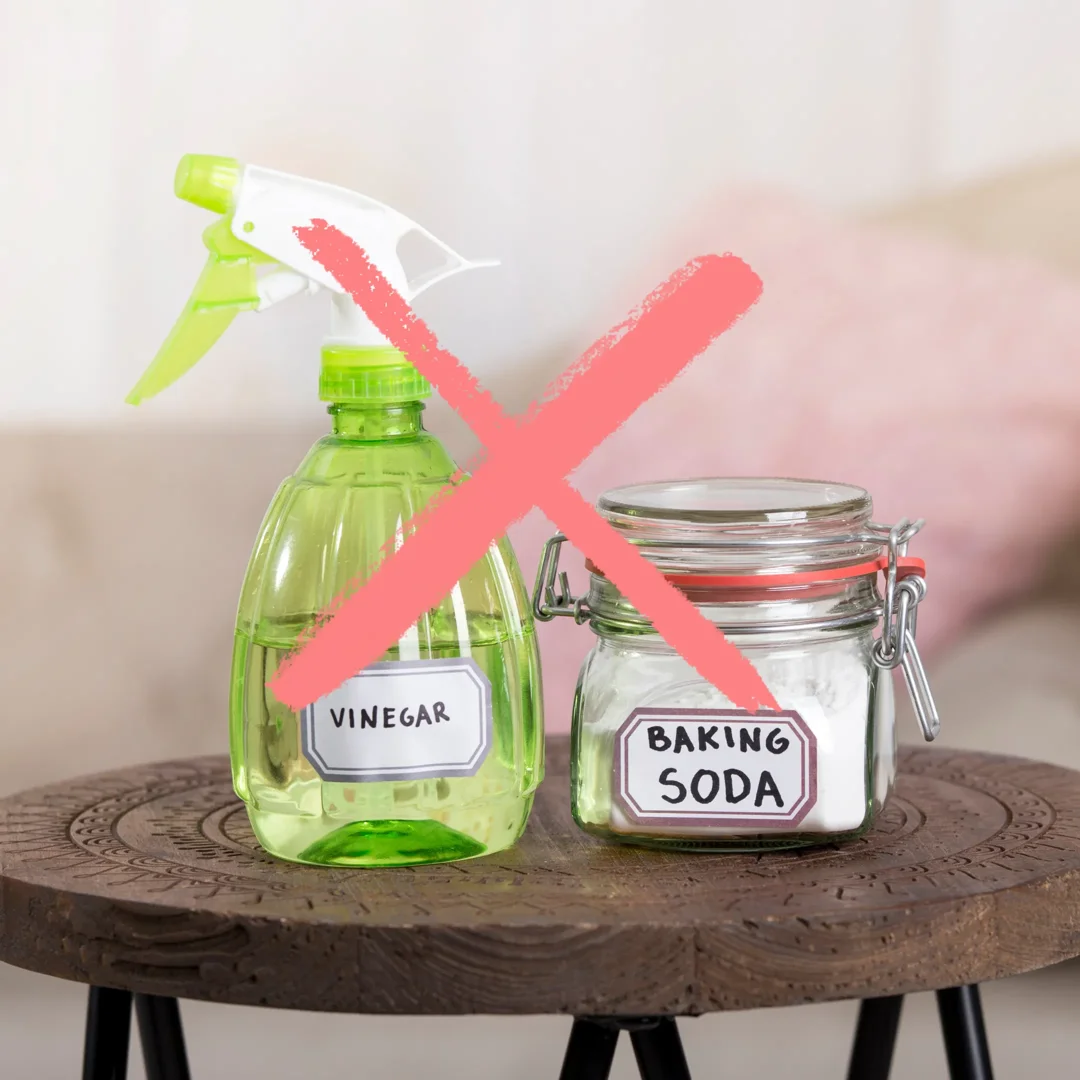
For many diamond necklaces, gentle at-home cleaning with warm water, a small amount of mild dish soap, and a soft brush is appropriate. Use light pressure to remove residue around the setting, then rinse carefully and dry with a soft, lint-free cloth.
However, not every necklace should be cleaned the same way. Pieces with delicate components, treated gemstones, glued elements, or certain finishes may require special care. When in doubt, ask a jeweler for guidance before using a cleaning solution or ultrasonic cleaner.
Protect Your Jewelry From Chemicals and Damage
Perfume, lotion, hairspray, and other products can leave residue on a diamond's surface, reducing its brilliance. Applying these products before putting on your necklace can help limit buildup.
Remove your necklace before swimming, using a hot tub, exercising, or doing activities that could expose it to chemicals or physical damage. Chlorine can damage some jewelry alloys, while sudden impacts can damage a diamond or its setting.
Diamonds can also scratch other jewelry during storage. Keep your necklace in a separate compartment or soft pouch to prevent it from rubbing against other pieces.
For more practical tips, see our complete guide to jewelry care.
Schedule Professional Inspections
Even a well-made necklace can experience wear over time. A clasp may loosen, a chain link may become damaged, or a setting may need attention.
Periodic professional inspections allow a jeweler to examine the clasp, chain, and diamond setting for signs of wear. The appropriate inspection schedule depends on how often you wear the necklace and its construction.
Nelson Coleman Jewelers offers professional jewelry cleaning services and can help you understand the maintenance your piece may need. If you notice a loose diamond, damaged chain, or unreliable clasp, discontinue wearing the necklace until it has been checked. Visit our jewelry repair services to learn more about having jewelry evaluated for repair.
Frequently Asked Questions About Diamond Necklaces
What Is the Best Diamond Necklace for Everyday Wear?
A simple diamond solitaire pendant is a popular everyday option because it pairs easily with casual clothing, workwear, and dressier outfits. A diamond station necklace can also be versatile if you prefer sparkle distributed along the chain.
Look for a well-constructed chain, a secure clasp, and a setting suited to regular wear. The best choice ultimately depends on your style and how you plan to wear the necklace.
Are Natural Diamonds Better Than Lab-Grown Diamonds?
Neither is universally better. Natural and lab-grown diamonds share the same fundamental properties, but they differ in origin, typical pricing, and how buyers may value their rarity or history.
Natural diamonds may appeal to shoppers who prefer a naturally formed stone, while lab-grown diamonds can offer more size or quality within a given budget. Comparing the individual diamonds and understanding their documentation will help you choose the right option for you.
How Can I Make a Diamond Necklace Look Bigger?
If you want a diamond necklace with more visual impact, several design choices can make a center stone appear larger or create the look of a larger diamond using multiple smaller stones.
- Halo Settings: A halo of smaller diamonds surrounds the center stone, adding sparkle and increasing the pendant's overall visual size. The center diamond remains distinct, but the surrounding diamonds help create a more substantial look. For a distinctive look, consider a cushion-shaped or square halo around a round center diamond. The geometric outline contrasts with the round stone and gives the pendant a more substantial silhouette.
- Illusion Settings: Specially arranged metalwork and smaller diamonds create the impression of a larger center stone. This can be an appealing option if you want a more prominent look without paying for a larger single diamond.
- Cluster Designs: Multiple diamonds are grouped closely together to create a unified design. Depending on how the stones are arranged, a cluster can resemble one larger diamond or create a larger, more elaborate silhouette.
- Invisible Settings: Diamonds are secured within a framework that conceals much of the metal between them, allowing the stones to sit closely together. This technique can make several smaller diamonds appear like one continuous, larger surface of sparkle.
Diamond shape also affects perceived size. Some shapes, including oval, pear, and marquise, can appear larger face-up than a round diamond of the same carat weight because of their elongated outlines.
Ultimately, the best choice depends on your budget and preferred style. Comparing different designs in person can help you see how each setting affects a diamond necklace's overall appearance.
How Much Does a Diamond Necklace Cost?
Diamond necklace prices vary widely. Factors include the diamond's quality and total carat weight, the metal, the setting, the chain, and the craftsmanship involved.
Deciding on a budget before shopping can help narrow the options. A knowledgeable jeweler can also explain which features have the greatest effect on price and where you may have flexibility without compromising the look you want.
Can I Create a Custom Diamond Necklace?
Yes. Custom design gives you more control over the diamond shape, metal, setting, chain length, and overall style. It can be particularly useful if you have a specific idea in mind or want a necklace to mark a meaningful occasion.
Explore custom jewelry design at Nelson Coleman Jewelers to learn how you can work with a jewelry professional to develop a piece that reflects your preferences.
Find Your Diamond Necklace at Nelson Coleman Jewelers
The right diamond necklace brings together the qualities that matter most to you, from the sparkle of the diamond to the metal, chain length, and design. Understanding these choices will help you shop with confidence and find a piece that complements your style, fits your budget, and suits the way you want to wear it.
Explore our diamond necklace collection to discover styles ranging from classic solitaire pendants to distinctive multi-diamond designs. If you'd like help comparing diamond options or exploring a custom piece, the team at Nelson Coleman Jewelers can help you find a necklace you'll enjoy wearing for years to come.


